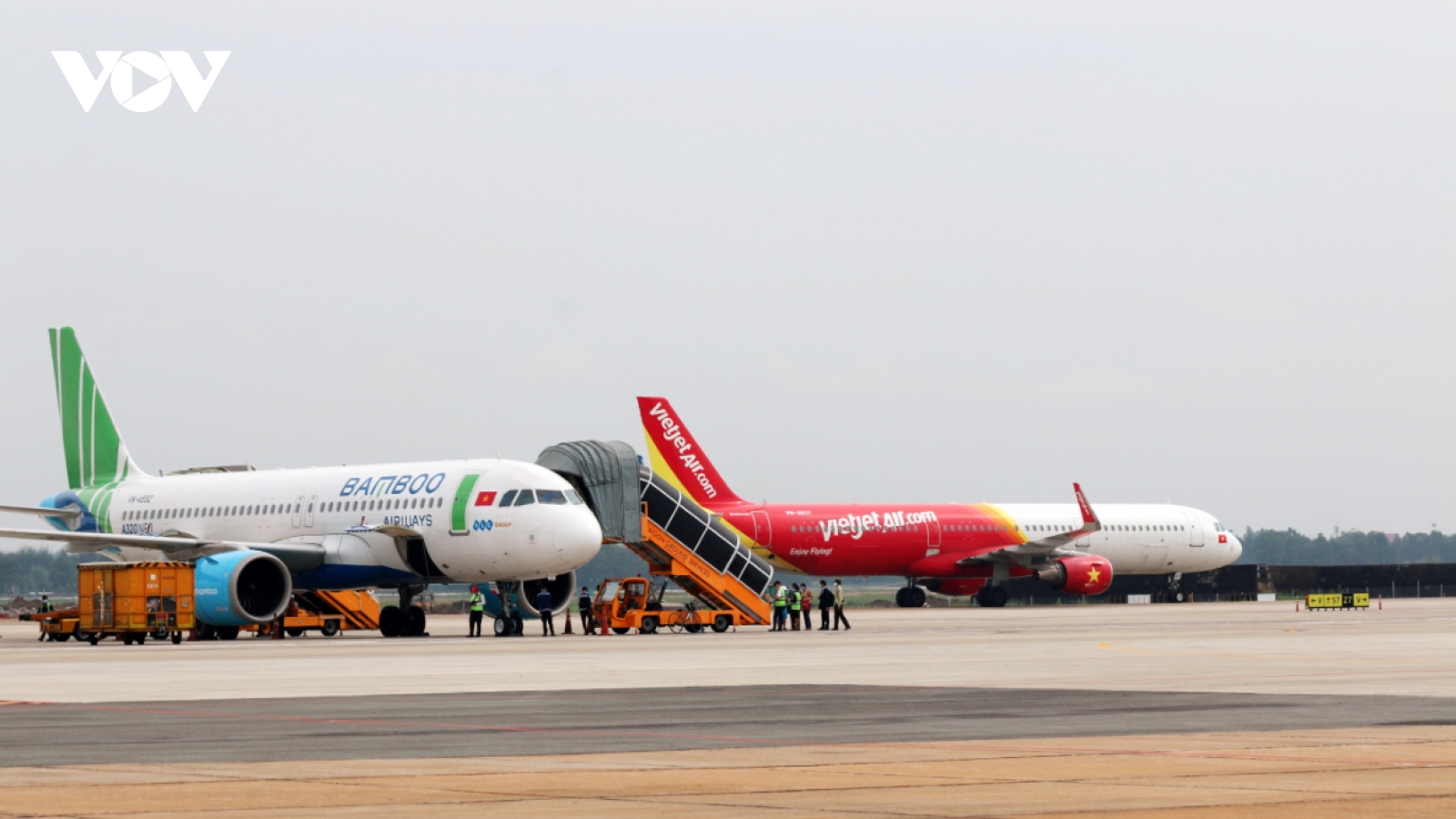
Aviation sector ensures fuel supply for April 30–May 1 peak

Vietnam’s Jet A-1 aviation fuel supply is showing positive signs, ensuring availability through the end of April and meeting passenger demand as well as airlines’ operational plans during the upcoming April 30–May 1 holiday peak.

The information was affirmed by Do Hong Cam, deputy director of the Civil Aviation Authority of Vietnam, at the Ministry of Construction’s regular press briefing on April 9.
Aviation fuel suppliers are actively negotiating and diversifying supply sources both domestically and internationally, while strengthening coordination, storage and distribution capacity to meet immediate demand. These efforts aim to support airlines in optimising operations and maintaining stable flight schedules.
The Civil Aviation Authority of Vietnam has also proposed that the Ministry of Construction report to the Government and relevant ministries on support measures for the aviation sector. Several urgent policies have been issued, including reductions in certain taxes and fees to assist businesses and consumers.
Regarding a possible adjustment to the domestic airfare price cap, the Ministry has tasked the authority with conducting a comprehensive review in coordination with airlines and relevant stakeholders. Considerations include flexibility, implementation timelines, compliance with procedures, and impacts on the market and passengers.
Any increase in the ceiling price for economy-class domestic airfares must comply with strict appraisal procedures under the Law on Prices and the Law on Civil Aviation, the authority noted.
Amid rapid and unpredictable fluctuations in aviation fuel prices, authorities are continuing to assess optimal policy options, drawing on international practices and consultations with airlines and public opinion. Tools under consideration include taxes, fees, pricing mechanisms, fuel surcharges and other support measures.
In addition to adjusting fare caps, allowing airlines to apply fuel surcharges is also being comprehensively reviewed.
The aim is to help airlines overcome fuel-related challenges while balancing the interests of businesses and consumers, minimising adverse market impacts and supporting socio-economic stability and growth targets, Cam said.
Fuel costs currently account for around 35 - 40% of airlines’ total operating expenses. Meanwhile, airspace restrictions or closures in several regions, including Iran, Iraq, Kuwait, Qatar, the UAE and Israel, have forced route adjustments, increasing overflight fees and insurance surcharges, thereby raising operating costs.
According to reports, operating costs at Vietnam Airlines have risen by 50–60%, Sun Phu Quoc Airways by about 30%, while VietJet Air is facing additional monthly costs of around VND2 trillion (US$75.97 million).
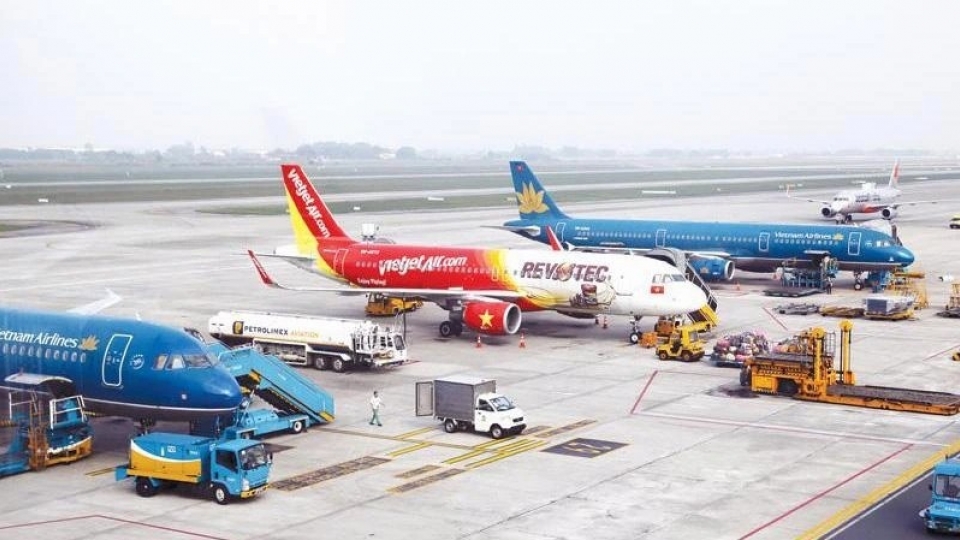
Aviation sector advances sustainable aviation fuel to achieve net-zero goals
VOV.VN - The Civil Aviation Authority of Vietnam has called on industry stakeholders to study and gradually adopt sustainable aviation fuel (SAF) and alternative energy solutions, aiming to reduce greenhouse gas emissions and support the sector’s energy transition.