Aviation sector advances sustainable aviation fuel to achieve net-zero goals

VOV.VN - The Civil Aviation Authority of Vietnam has called on industry stakeholders to study and gradually adopt sustainable aviation fuel (SAF) and alternative energy solutions, aiming to reduce greenhouse gas emissions and support the sector’s energy transition.
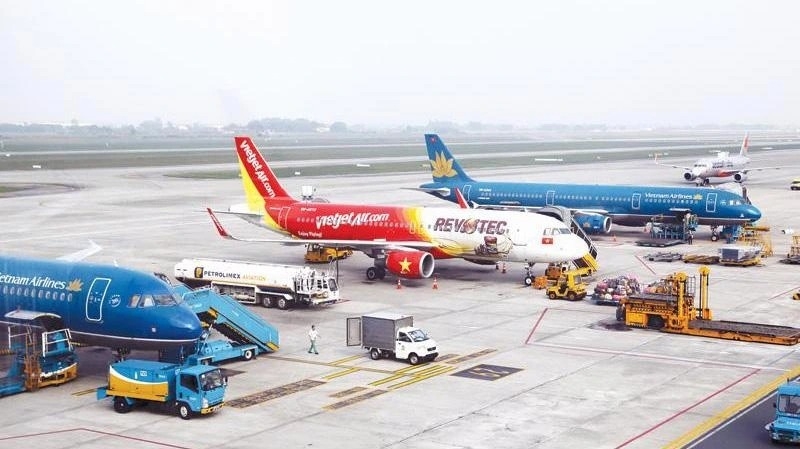
Under a recently issued directive, airport authorities are encouraged to promote the shift of ground vehicles to electric and green energy, in line with the government’s energy transition roadmap.
Between 2027 and 2030, the sector will begin incorporating alternative fuels into aviation operations and develop comprehensive energy consumption databases. By 2035, Vietnam aims to use at least 10% SAF on selected short-haul flights, while all newly invested airport service vehicles will operate on green energy.
By 2040, most airside vehicles are expected to transition to electric and clean energy, and by 2050, Vietnam’s aviation sector targets 100% sustainable fuel usage, combined with carbon offset solutions to achieve net-zero emissions.
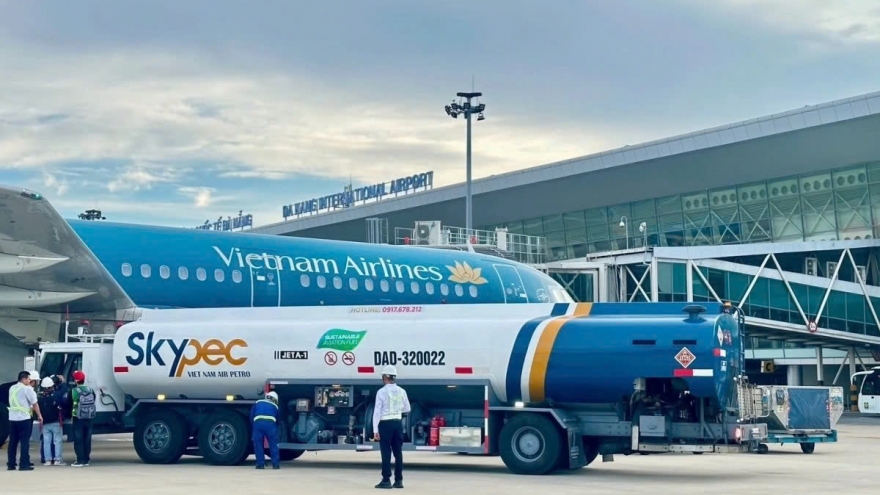
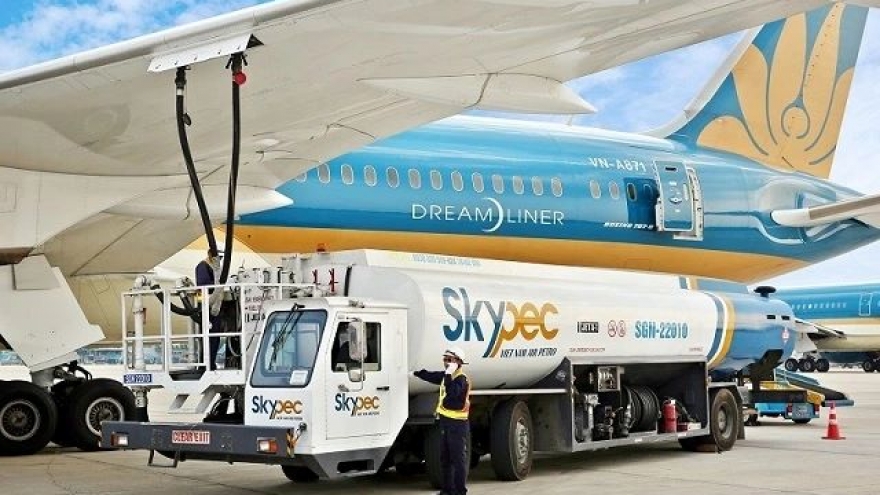
In this transition, Vietnam Airlines has taken a leading role. Since January 2025, the airline has used SAF on flights departing from Europe at a minimum rate of 2%, with plans to increase this to 6% by 2030, 20% by 2035, and 70% by 2050.
SAF can reduce lifecycle greenhouse gas emissions by up to 80%, though its adoption remains challenging due to high costs, currently 2–3 times higher, and at times up to 5–6 times, compared to conventional jet fuel.
In parallel, Vietnam Airlines is implementing a range of emission-reduction measures, including deploying next-generation aircraft, optimising flight routes, reducing load weight, and accelerating digital transformation.
These efforts align with Vietnam’s broader strategy to ensure energy security and reduce emissions, positioning the aviation sector for sustainable and globally integrated growth.
Vietnam aviation, tourism adapt to fuel price surge amid global uncertainties
VOV.VN - Vietnam’s aviation and tourism industries are seeking to respond to soaring fuel prices with cost controls, route optimisation, and flexible travel products to sustain growth.