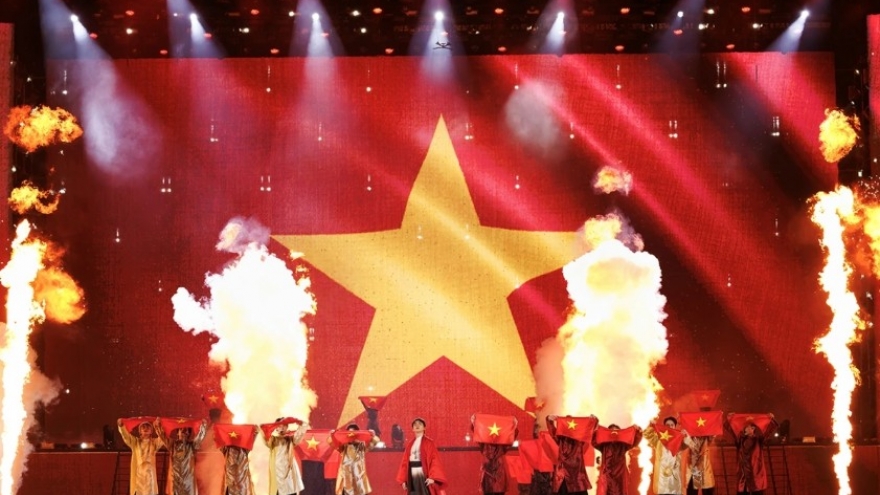
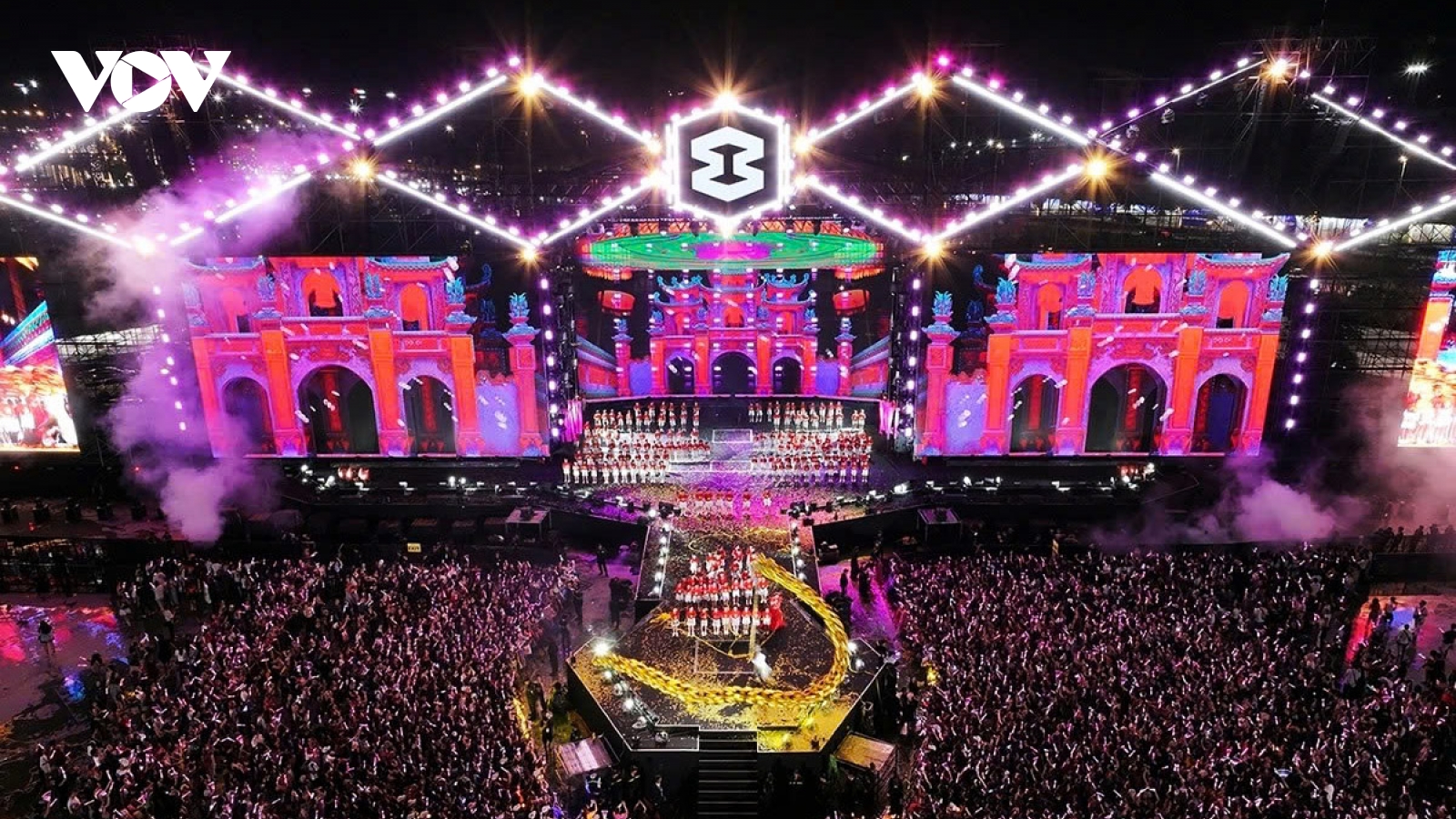
Vietnamese music makes its mark on the global stage

VOV.VN - Vietnamese music is stepping onto the global stage not through imitation, but through the strength of its own cultural identity.
The year 2025 marks a notable turning point, as artists such as Duc Phuc, Phuong My Chi, and the overseas concert series Anh Trai Say Hi have drawn attention beyond national borders, bringing with them distinctly Vietnamese artistic sensibilities.
From Duc Phuc’s victory at Intervision in Moscow to the haunting sound of the dan bau (Vietnam’s monochord instrument) featured in Phuong My Chi’s performance at Sing! Asia, these moments represent more than fleeting media highlights. They signal a new approach: engaging the world through Vietnam’s own cultural essence.
Identity as competitive advantage
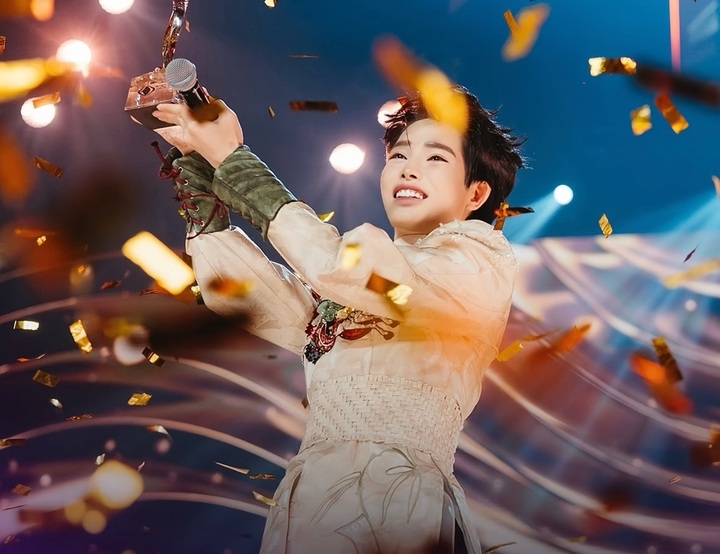
In the past, internationalisation in Vietnamese music often meant adapting to dominant global trends. Today’s generation of artists, however, is pursuing a different path - amplifying Vietnamese identity to the point where global audiences take notice.
This shift is evident in internationally recognized songs such as See Tình by Hoang Thuy Linh and Bong phu hoa by Phuong My Chi. Both gained traction among international listeners not because they mirrored Western pop formulas, but because of their unmistakably Vietnamese musical textures and imagery.
Music critic Hong Quang Minh observes that Vietnamese artists are no longer pursuing global recognition through imitation. Instead, they are presenting their own cultural values to the world. Duc Phuc demonstrates this through confident stagecraft on international platforms; Phuong My Chi blends folk elements with contemporary performance formats; while the Anh Trai Say Hi concert series connects Vietnamese communities abroad through culturally rooted content delivered at international production standards.
This marks an important transition, from a mindset of “showcasing” culture to one of genuine competition. Cultural identity is no longer ornamental; it has become a defining passport for Vietnamese artists navigating the global music market.
The strategy echoes a broader Asian precedent. Countries such as the Republic of Korea, Japan and Thailand have leveraged local culture as a competitive advantage in global entertainment. Vietnam, with its rich folk traditions, distinctive traditional instruments and narrative-driven musical language, possesses comparable foundations. The developments of 2025 suggest that this potential is beginning to materialise.
A professionalising industry ecosystem

The achievements of Phuong My Chi and Duc Phuc reflect not only individual success, but also the maturation of Vietnam’s music ecosystem - spanning production, intellectual property management and strategic communications.
Phan Anh, CEO of VMAS, which supported Phuong My Chi’s participation in Sing! Asia, emphasised that the initiative was framed not merely as a competition, but as an opportunity to introduce Vietnamese culture to regional audiences. The production team intentionally embedded traditional elements, from musical arrangement and costume design to artistic messaging, into each performance.
This approach represents more than artistic preference; it reflects a strategic positioning model: centring Vietnamese culture while expressing it through internationally recognised performance standards.
According to Hong Quang Minh, achieving sustainable international status requires more than isolated accolades. It depends on a well-structured value chain, including producers, music directors, sound engineers, communications teams and legal expertise. Language barriers are increasingly secondary; global audiences are willing to embrace foreign-language songs when emotional authenticity is compelling. The greater challenge lies in strengthening technical capacity, stage professionalism, brand strategy and stylistic consistency.
From a business perspective, Vietnam’s growing economic and geopolitical profile also creates favourable conditions for its cultural industries. As Vietnam gains recognition as a dynamic and promising market, opportunities expand for its entertainment companies and artists to integrate into broader regional and global networks.
Laying the foundation

A decade ago, the prospect of “exporting” Vietnamese music seemed distant. In 2025, the first foundational steps are becoming visible. Artists such as Hoang Thuy Linh, Phuong My Chi and Duc Phuc are no longer caught between preserving tradition and pursuing global appeal; instead, they are synthesising the two by telling Vietnamese stories in a language that resonates internationally.
The distinctiveness of Vietnamese music does not lie in adopting English lyrics or filming music videos overseas. It lies in how cultural narratives are articulated. When artists deeply understand their heritage and present it in ways accessible to global audiences, Vietnamese music can move beyond momentary attention to sustained international presence.
The developments of 2025 therefore represent more than a series of milestones. They mark the emergence of a confident Vietnamese cultural voice — stepping onto the world stage not as an imitator, but as a competitor defined by its own identity.
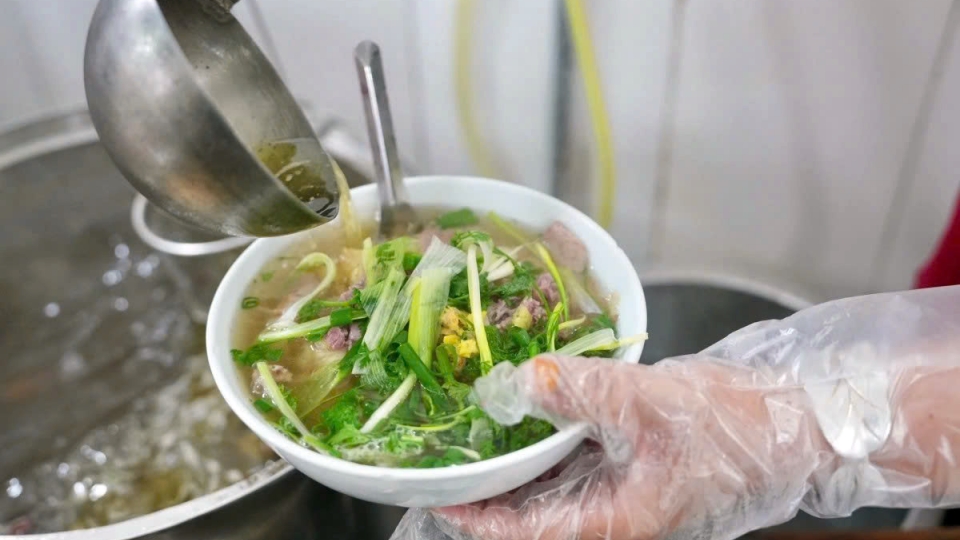
Phở as a living heritage in Vietnam’s creative cultural industries
VOV.VN - Phở, Vietnam’s iconic noodle soup, is officially recognised as national heritage and is now emerging as a global cultural symbol in the creative economy.