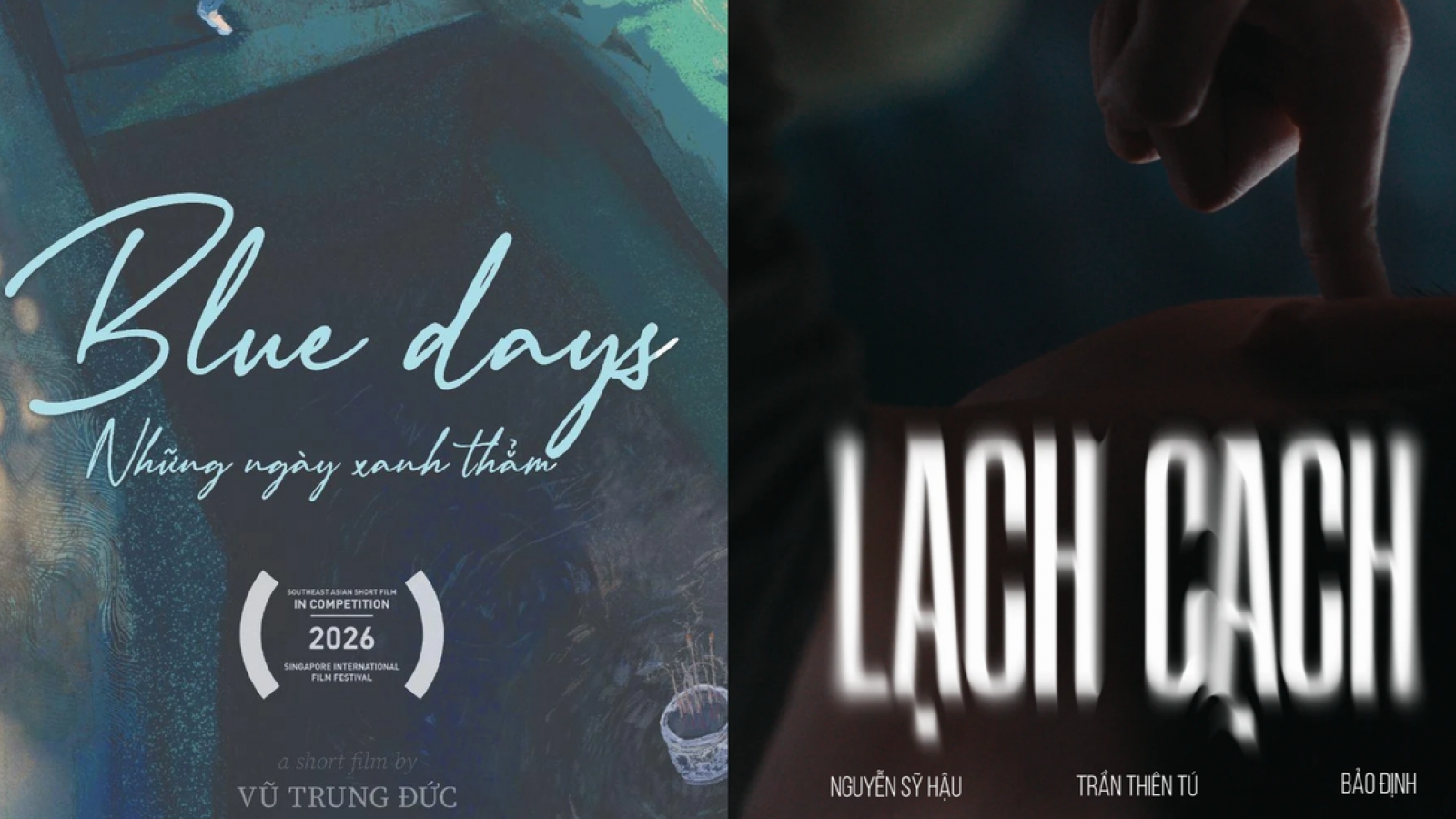
Vietnam tightens rules on film submissions to overseas festivals

VOV.VN - The Vietnam Cinema Department has called on filmmakers and distributors to ensure that films obtain a film classification licence or a broadcast decision before being submitted to overseas film festivals, underscoring the importance of legal compliance in promoting Vietnamese cinema internationally.

In an official document issued on October 12, the department requested that film production and distribution companies, as well as Vietnamese organisations and individuals entering films in overseas events, complete the required licensing procedures before submission.
It noted that Vietnamese films have gained increasing visibility at international festivals, awards and other cinema events in recent years, helping showcase the country’s creative talent, promote its culture and people, and open up opportunities for international cooperation.
However, the department has identified cases in which films were submitted, or access was granted to film copies, before the required licence or broadcast decision had been obtained. In some instances, applications for appraisal were only filed shortly before the scheduled screening, leaving little time to make any revisions required by the authorities.
Such practices risk violating regulations, place pressure on the appraisal process and limit the authorities’ ability to provide timely support for films with artistic merit, the department said.
Licensing requirements and accurate reporting of awards
Under Article 40 of Vietnam’s 2022 Law on Cinematography, films participating in festivals, awards, competitions, film programmes or film weeks, whether at home or abroad, must have a valid classification licence or broadcast approval.
The version submitted must be identical to the approved version. Obtaining a licence after a film has already been submitted to an overseas organiser does not automatically exempt the parties concerned from responsibility for any earlier violation.
The department urged filmmakers and distributors to plan ahead, taking into account each event’s submission deadlines and allowing sufficient time to finalise films, prepare documentation and complete licensing procedures.
It also advised participants to exercise caution when choosing events that may commercialise awards, confer prizes indiscriminately or use an international designation without transparent selection and appraisal procedures.
Organisations and individuals were asked to accurately identify certificates of selection, special awards, prizes presented by partner organisations, honorary awards and other forms of recognition outside a festival’s main competitive categories.
“Winning an award in any category does not alter the legal responsibility if a film was submitted without meeting the prescribed requirements,” the department said.
The department reaffirmed its respect for freedom of artistic creation, filmmakers’ choice of subject matter and their right to portray different aspects of social life within the law. It also encouraged the introduction of films with artistic quality, distinctive cultural identity, historical and humanistic value, and compelling approaches to storytelling.
Where there are signs that a film was submitted without meeting the eligibility requirements, that the submitted version differs from the approved version, or that information about award categories or prizes has been reported inaccurately, the department will conduct checks, coordinate with the competent authorities to verify the facts and handle any violations in accordance with the law.

Vietnamese horror film to premiere at Busan International Film Festival 2026
VOV.VN - Ham Tran’s upcoming horror feature Soi chi do (Red Thread) has been selected for the Midnight Passion section at the 2026 Busan International Film Festival (BIFF), slated for October 6-15 in the Republic of Korea (RoK).