Vietnam adds 5 new elements to national intangible cultural heritage list

VOV.VN - Vietnam has added five cultural practices and festivals to its national list of intangible cultural heritage, highlighting the country’s efforts to preserve traditional knowledge, rituals and community-based customs.
The Ministry of Culture, Sports and Tourism (MoCST) said the newly recognised heritage elements are traditional knowledge related to cultivating and processing Hung Yen longan, the traditional wedding customs of the Muong ethnic group, the Muong people’s new rice festival, culinary knowledge associated with eel-based dishes in Nghe An province, and the Mai Bang Temple Festival.
The recognitions were formalised through a series of decisions signed by the MoCST minister on January 6, 2026.
The cultivation and processing of Hung Yen longan, a renowned agricultural specialty of northern Vietnam, reflects generations of local knowledge covering planting, care, harvesting and post-harvest processing. Closely associated with the fertile Red River Delta, the fruit has become both an economic product and a cultural symbol of the region.
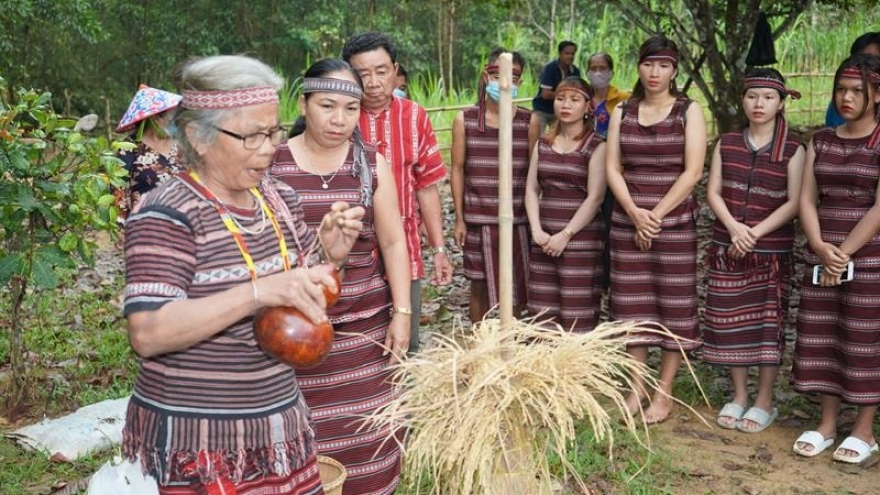
The Muong people’s new rice festival, practised in several localities in Ninh Binh province, is closely linked to the agricultural calendar. Held after the harvest season, the festival expresses gratitude to nature and ancestors while reinforcing community bonds through ritual offerings and collective activities.
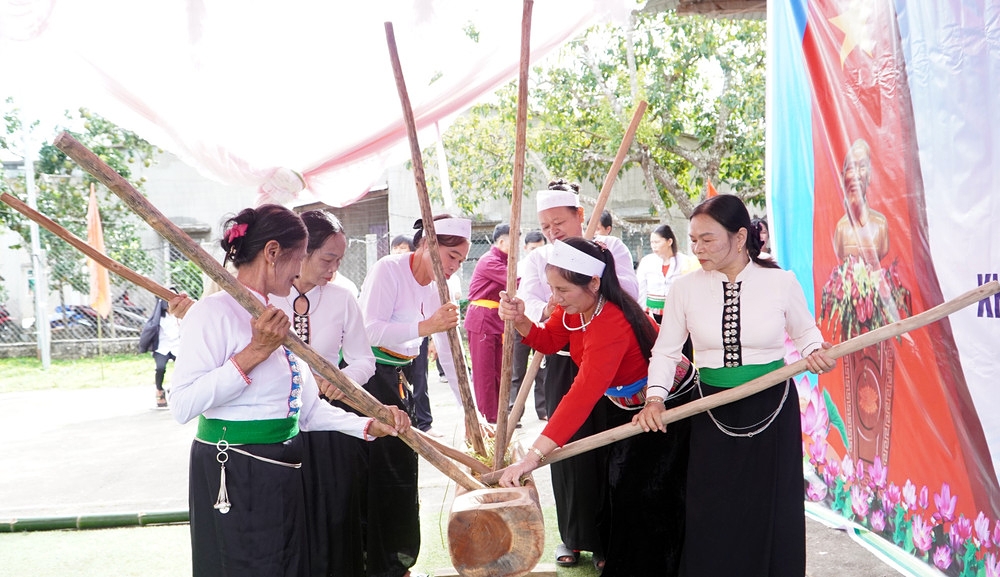
The Muong ethnic group also represents on the list with their traditional wedding ritual in Yen Son ward, Ninh Binh province, that comprises a sequence of ceremonial stages from engagement to marriage. These practices reflect longstanding values related to family ties, respect for elders, ancestral worship and social cohesion.
In central Vietnam’s Nghe An province, traditional knowledge surrounding eel-based cuisine was added to the list. The knowledge is clearly demonstrated in the diversity of dishes such as eel porridge, eel soup, eel vermicelli, stir-fried eel, and grilled eel, distinguished by meticulous preparation techniques and the use of local spices including turmeric, lemongrass and chilli.
Meanwhile, the Mai Bang Temple Festival, also in Nghe An, honours Le Khoi, a talented general in the early Le Dynasty (1428-1527), who made great contributions to the Lam Son Uprising, helping King Le Loi defeat the Ming invaders. The festival combines solemn rituals with folk games and communal activities, creating a vibrant cultural space for local residents
The ministry said provincial and local authorities are responsible for managing, safeguarding and promoting the recognised heritage elements in accordance with Vietnam’s cultural heritage law.
Five crafts recognised as national intangible heritage
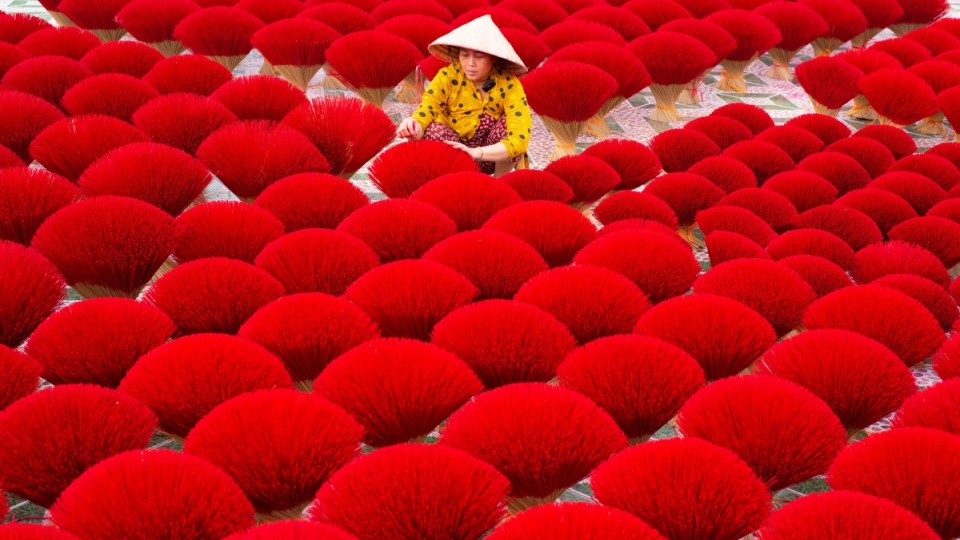
VOV.VN - The Ministry of Culture, Sports and Tourism has announced five traditional crafts as national intangible heritage after recognizing a number of dishes from across the country recently.