Reviving Vietnam’s cultural heritage through digital innovation

VOV.VN - As digital transformation reshapes the world, Vietnam is breathing new life into its cultural heritage, turning centuries-old traditions into immersive, accessible experiences for a global audience.
As digital transformation accelerates across sectors, Vietnam’s cultural heritage, often described as the nation’s “living memory”, is entering a new phase: digitisation. No longer confined to static displays behind glass, heritage is increasingly being “brought to life” through technology, becoming more interactive, immersive and accessible to the public.
When heritage enters the digital space
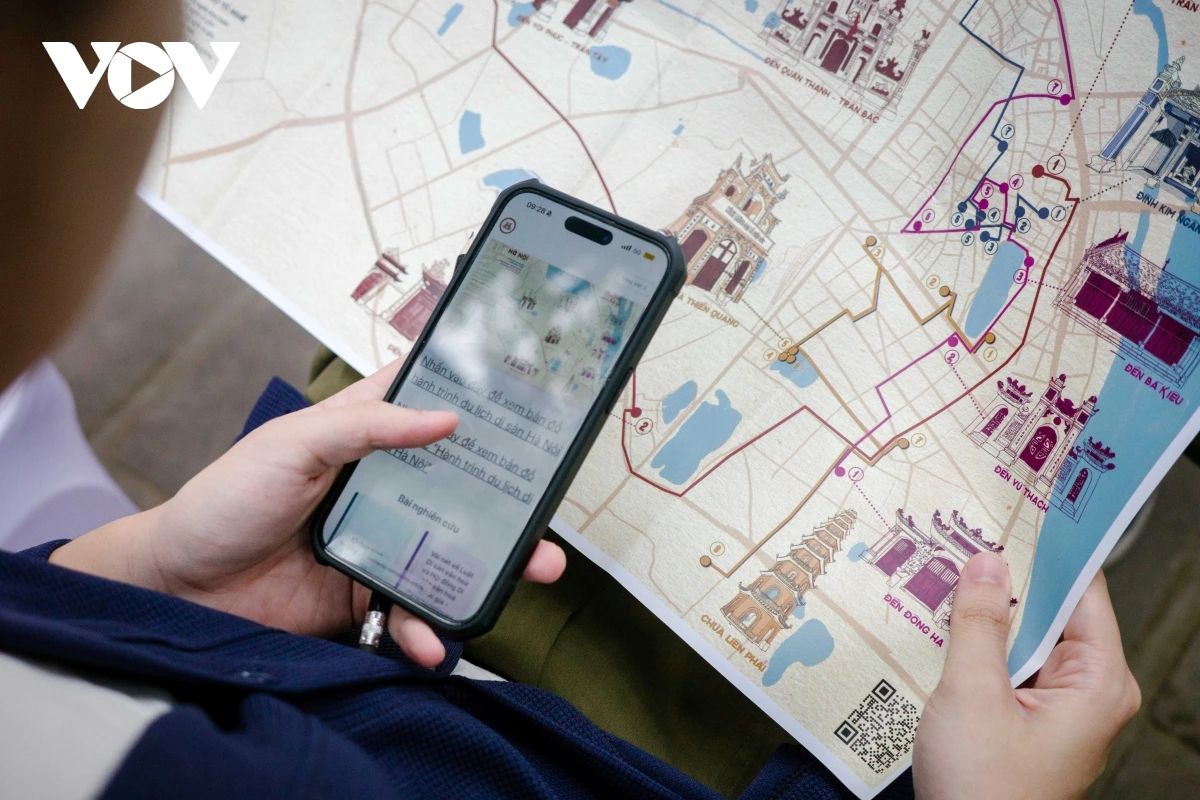
Vietnam is home to a vast cultural treasure, with tens of thousands of historical sites and intangible cultural heritage elements already documented. However, traditional approaches are showing limitations in modern life, particularly in engaging younger audiences.
Digital technology is emerging as an inevitable solution. Applications such as virtual reality (VR), augmented reality (AR), 3D projection and artificial intelligence (AI) allow historical spaces to be recreated in vivid and engaging ways. Heritage is no longer static, it can tell stories, interact with audiences and expand its reach across digital platforms.
Voices from within
According to Nguyen Thi Ngoc Hoa, director of the Hanoi Creative Activities Coordination Centre, the use of technology has significantly enhanced the appeal of exhibitions. She notes that the flexibility of digital tools makes historical content more accessible to diverse audiences.
Rather than one-way communication, modern exhibition spaces now enable visitors, especially younger generations, to engage with heritage in a more visual and dynamic manner.
This trend, she says, aligns well with contemporary heritage education, where experiential learning is placed at the centre. With digital applications, knowledge absorption becomes more natural and engaging for visitors.

From a museum management perspective, To Thi Thu Trang, director of the Vietnam Museum of Cultures of Ethnic Groups, said digital transformation is not merely about equipment, but about changing operational mindsets.
Many museum professionals, while strong in expertise, still face challenges in adapting to new technologies. However, once these barriers are overcome, museums are gradually building digital ecosystems that allow heritage to be presented more compellingly in the online space.
From the visitor’s perspective, Hoang Huu Minh, a tourist at the Da Nang Museum of Cham Sculpture, shared, “I’m really impressed by how Da Nang has digitised Cham cultural values and made them more accessible to visitors.”
Positive feedback like this suggests that technology not only supports preservation but also enhances emotional engagement between audiences and heritage.
Toward a new creative ecosystem
Today, digital art is no longer just a supporting tool, it has become part of a new creative language. Technologies such as 3D mapping, VR and AR create powerful visual effects, blurring the line between the viewer and the artwork.
Audiences are no longer passive observers but active participants in the heritage space. Multi-sensory experiences, combining visuals, sound and interaction, offer entirely new ways of engaging with culture, shaping what can be described as a new “creative ecosystem.”
From a tourism perspective, the Vietnam National Authority of Tourism notes that applying technology to heritage is becoming a key trend to enhance destination competitiveness. Digital tourism products, virtual tours and interactive experiences not only attract visitors but also extend their stay and increase overall value.
Opportunities and challenges go hand in hand
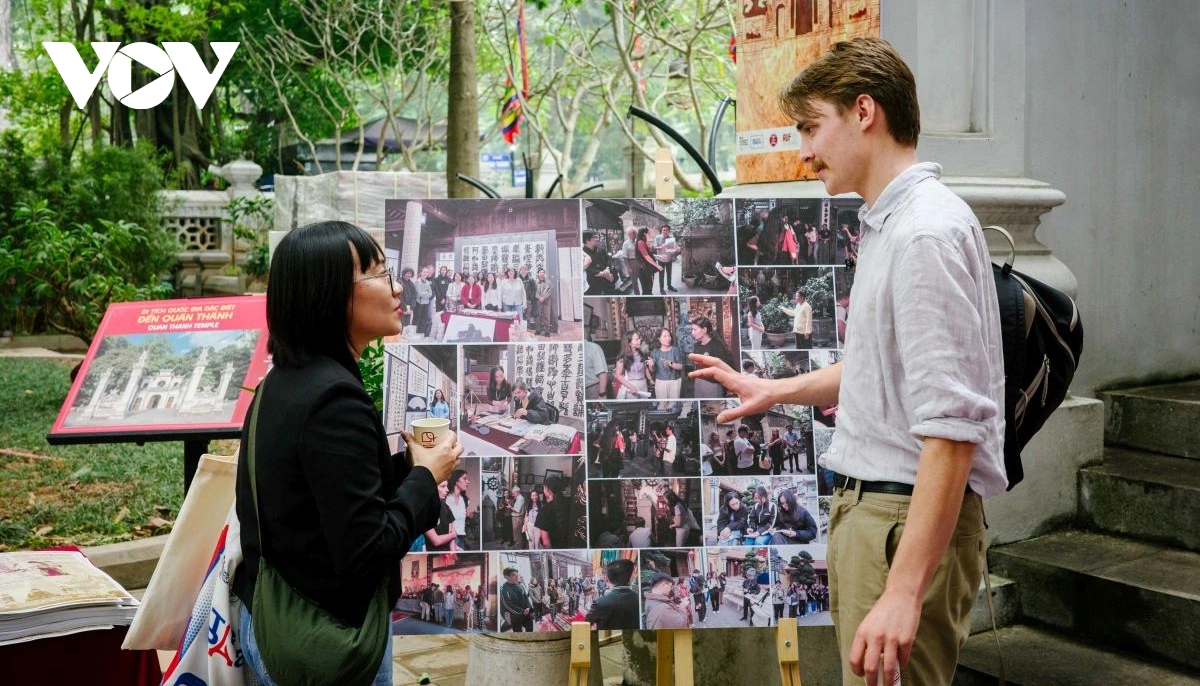
Despite its potential, heritage digitisation also presents challenges. Converting cultural values, especially intangible heritage, into digital data requires careful handling to preserve authenticity.
Limited resources, infrastructure and digital skills remain significant barriers, particularly for localities with fewer capabilities.
More importantly, technology cannot fully replace real-life experiences. Overuse risks turning heritage into mere spectacle, diminishing its cultural depth. Striking this balance is key to ensuring that technology enhances, rather than dilutes, cultural authenticity.
Keeping heritage alive in the digital age
In practice, technology is only a tool. The core value lies in how people tell the story of heritage. Digitisation should aim to help audiences better understand, feel and connect with history.
“Reviving” heritage through digital technology is therefore not just a trend but an inevitable direction. When balanced effectively between preservation and innovation, cultural heritage will continue to live, evolve and resonate not only within Vietnam, but with audiences around the world.
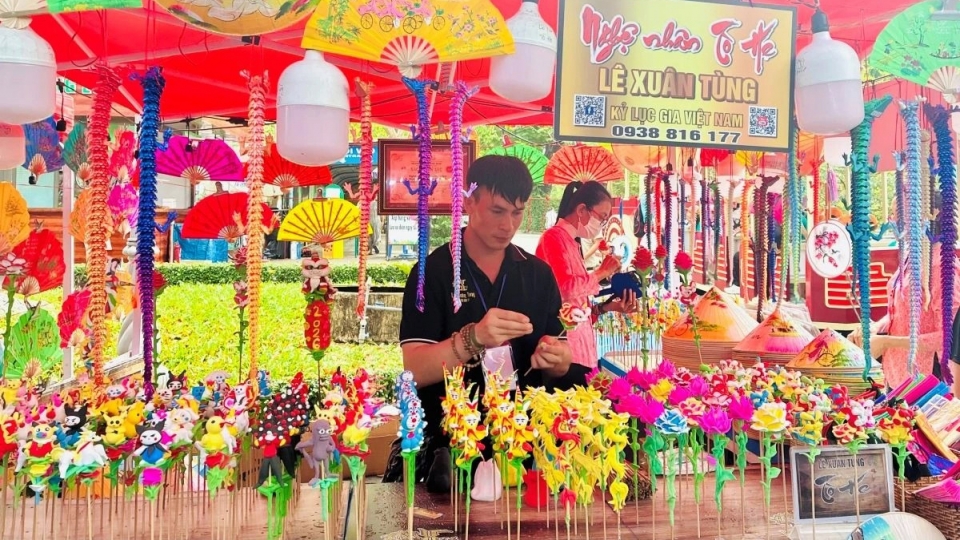
Cultural Colours Festival 2026 revives Vietnamese heritage in HCM City
VOV.VN - The second Cultural Colours Festival, themed “Bach Viet Ascension,” opened in Ho Chi Minh City on April 22, offering a journey into Vietnam’s traditional cultural heritage.