Resolution 80 calls for culture to become a real engine of growth

VOV.VN - The Politburo has issued Resolution 80-NQ/TW on developing Vietnamese culture in the new era, aiming to create a major shift in development thinking and position culture as a spiritual foundation, an endogenous resource and a sustainable growth driver for the country.
Beyond broad orientations, the resolution outlines a range of concrete tasks, including improving cultural institutions, developing cultural industries, building a healthy cultural environment and promoting the strength of Vietnamese people in the modern era.
However, according to experts, the most important challenge lies in ensuring the resolution is effectively implemented in practice, transforming awareness into action and political determination into real social change.
People, institutions and technology remain the core
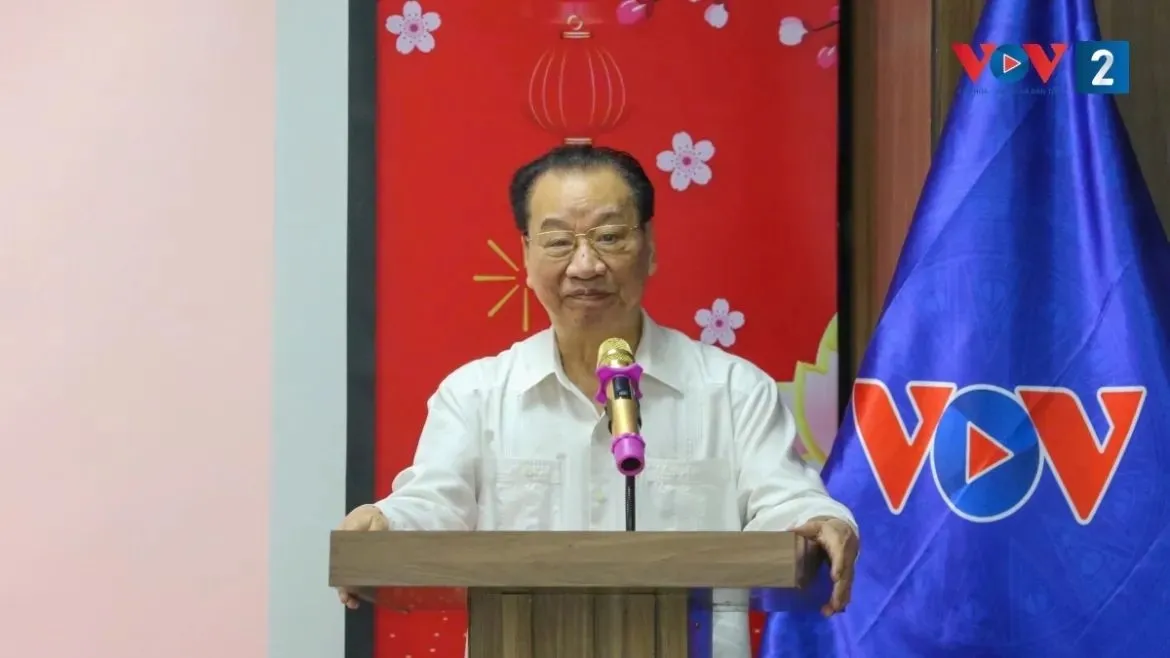
According to Prof. Dr. Phung Huu Phu, former deputy head of the Communist Party of Vietnam Central Committee’s Commission for Information, Education and Mass Mobilisation, Resolution 80 is considered a policy document with a strong action-oriented spirit. Yet to create substantive change, Vietnam must simultaneously address three key pillars: people, institutions and technology.
“For Resolution 80 to truly be translated into practice, it must be recognised that people remain the foundation of the entire process. All levels of society, from policymakers to ordinary citizens, need to fully recognise that cultural development is not merely symbolic, but directly connected to quality of life and national development,” he stressed.
At the same time, an open and innovation-friendly institutional framework is essential for cultural growth. In the current context, technology has also become increasingly important, especially as digital transformation continues reshaping how people create, access and spread cultural values.
Sharing a similar view, Associate Professor Dr. Bui Hoai Son, a full-time member of the National Assembly’s Committee for Culture and Social Affairs, said Resolution 80 opens opportunities to remove many long-standing bottlenecks in cultural development.
Still, he argued that the biggest obstacle today is public awareness. Although Vietnam has issued multiple resolutions on culture, cultural development in many places has yet to be treated as a genuine development pillar.
“Without a shift in perception, it would be difficult to mobilise sufficient resources, policies and implementation mechanisms. To make culture a true driver of socio-economic development, the spirit of the resolution must be translated into concrete actions across localities, agencies and communities,” he stressed.
Culture cannot grow through administrative orders alone
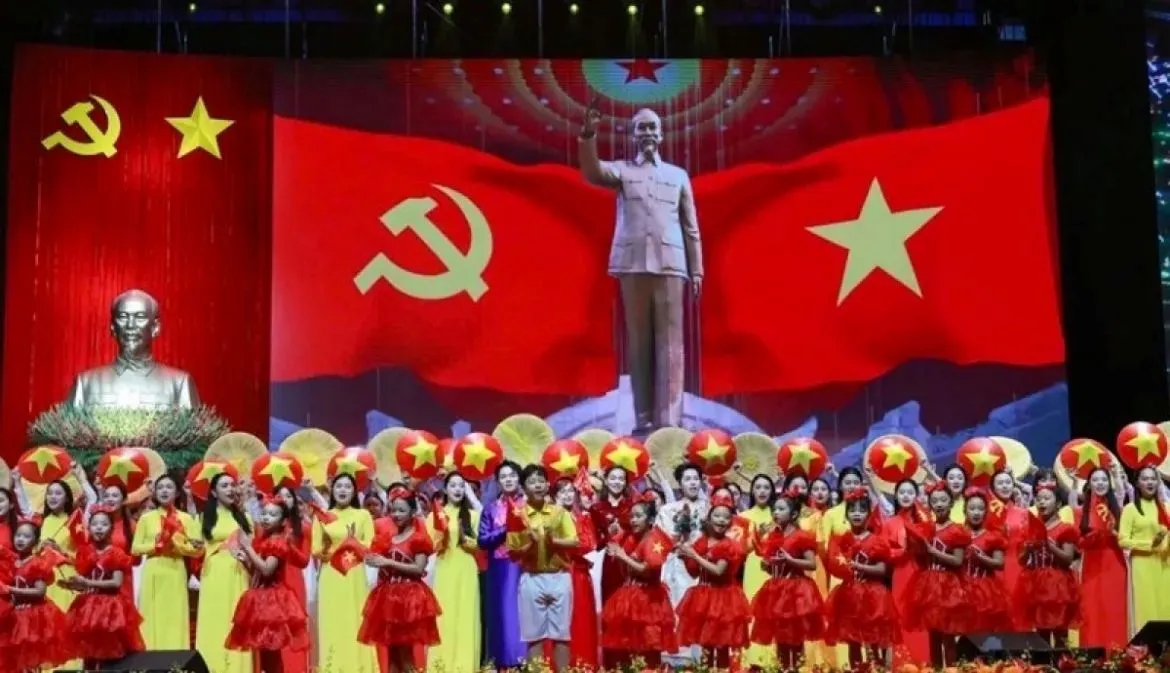
According to experts, one of the most urgent tasks today is to strengthen the role of communities as active participants in cultural development.
Prof. Dr. Tu Thi Loan, president of the Vietnam Community Cultural Development Association, said culture cannot truly become an endogenous growth driver if it relies only on slogans or political determination. Instead, it requires suitable mechanisms, strong resources and innovative approaches.
She emphasised the importance of turning the resolution’s goals into practical action programmes.
“For example, to achieve the target of developing 5–10 national cultural industry brands by 2030, Vietnam needs a clear national strategy identifying priority sectors, target markets and long-term support mechanisms,” she suggested.
She also highlighted the need to build cultural industry ecosystems where the State, businesses, artists, designers, media organisations and distributors work together while sharing responsibilities and benefits.
The official argued that culture cannot be built solely through administrative directives. It must be nurtured through real-life participation, community engagement and an environment that encourages creativity.
Local governments must turn resolution into action
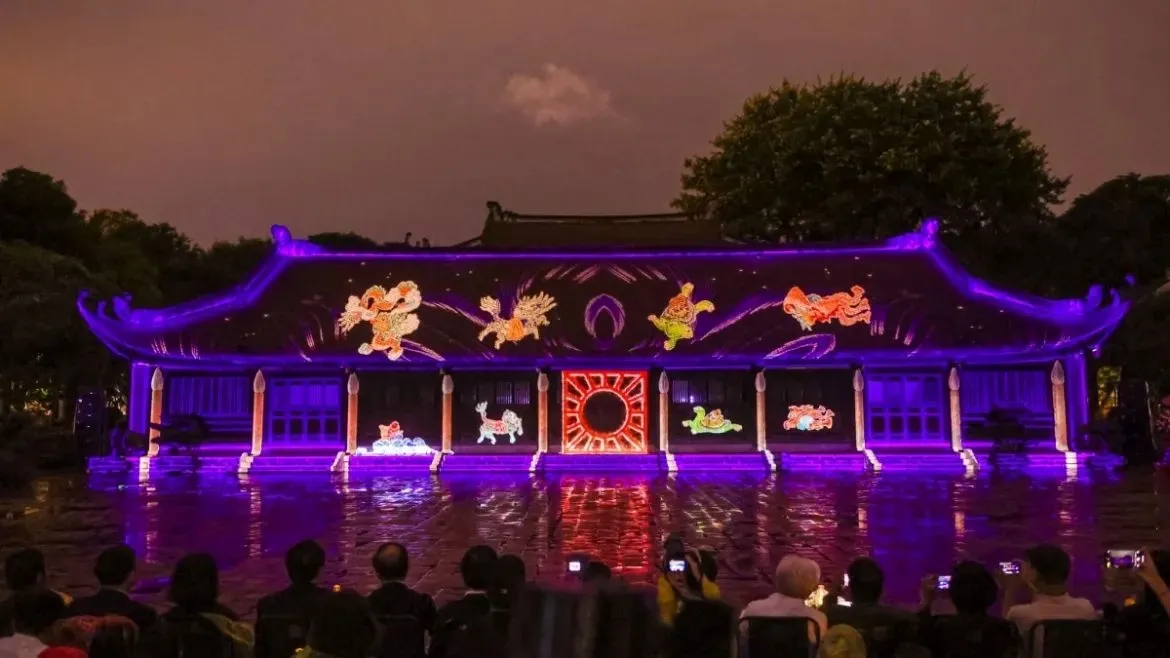
From the perspective of local governance, architect and urban expert Dr. Pham Tuan Long suggested each locality should develop cultural programmes suited to its own conditions instead of applying uniform and formalistic approaches.
Besides investing in high-quality human resources and cultural marketing, he underscored the importance of engaging communities, particularly younger generations.
According to him, growing interest among young people in Hanoi toward cultural heritage has created encouraging signals, with many not only learning about heritage but also creatively reinterpreting traditional cultural values.
However, he added that stronger communication efforts are still needed to help communities better understand the value of culture, thereby fostering broader social consensus and more positive actions in daily life.
From resolution to real transformation
Experts believed Resolution 80 is not merely a policy document for the cultural sector, but a broader strategic framework shaping Vietnam’s development model in the coming era.
At its core, the resolution affirms Vietnam’s determination to pursue development not only through economic growth, but also through cultural depth and human development.
To ensure the resolution is effectively implemented, experts said political determination alone will not be enough. Success will depend on the country’s ability to institutionalise policies consistently, allocate sufficient resources and organise effective implementation from the central level to local authorities.
When culture is given its proper role, receives adequate investment and is nurtured through broad social participation, Resolution 80 is expected to become a new driver for sustainable development, enhance Vietnam’s soft power and contribute to building a culturally rich, humane and creative nation in the era of global integration.

Resolution 80 positions culture as a driving force for development
VOV.VN - Vietnam is redefining culture's role in national development through the Politburo’s Resolution 80 that places culture at the heart of the country’s strategy, recognising it not only as a social foundation but also as a driver of economic growth and a means to strengthen Vietnam’s cultural presence globally.