Resolution 80 positions culture as a driving force for development

VOV.VN - Vietnam is redefining culture's role in national development through the Politburo’s Resolution 80 that places culture at the heart of the country’s strategy, recognising it not only as a social foundation but also as a driver of economic growth and a means to strengthen Vietnam’s cultural presence globally.
Reframing culture’s role in national development
Vietnam has taken an important strategic step in redefining the role of culture in national development through the Politburo’s Resolution 80 on the development of Vietnamese culture. The resolution places culture at the centre of the country’s development strategy, recognising it not merely as a supporting element but as a foundational resource, a driving force, and a long-term goal of national progress.
According to Associate Professor Dr. Pham Ngoc Trung, former Dean of the Faculty of Culture and Development at the Academy of Journalism and Communication, the most significant breakthrough of Resolution 80 lies in its scientific and strategic approach to culture. Instead of viewing culture as a sector that follows economic development, the resolution clearly affirms that culture both promotes development and shapes the direction of society.
This perspective reflects a deeper understanding of culture’s multifaceted role. Culture is not limited to spiritual or artistic values; it also possesses tangible value that contributes to socio-economic development. When cultural values are nurtured and strengthened, they help preserve social foundations, maintain national identity, and ensure that social development proceeds in an orderly and sustainable manner.
The spirit of Resolution 80 also resonates with the long-standing view of President Ho Chi Minh, who famously stated that “culture lights the way for the nation.” Cultural awareness enables people to distinguish between progress and backwardness, between constructive values and harmful influences. In a society with strong cultural foundations, individuals and communities are better equipped to make decisions that align with ethical standards, traditions, and the rule of law.
Culture as a new engine for economic growth
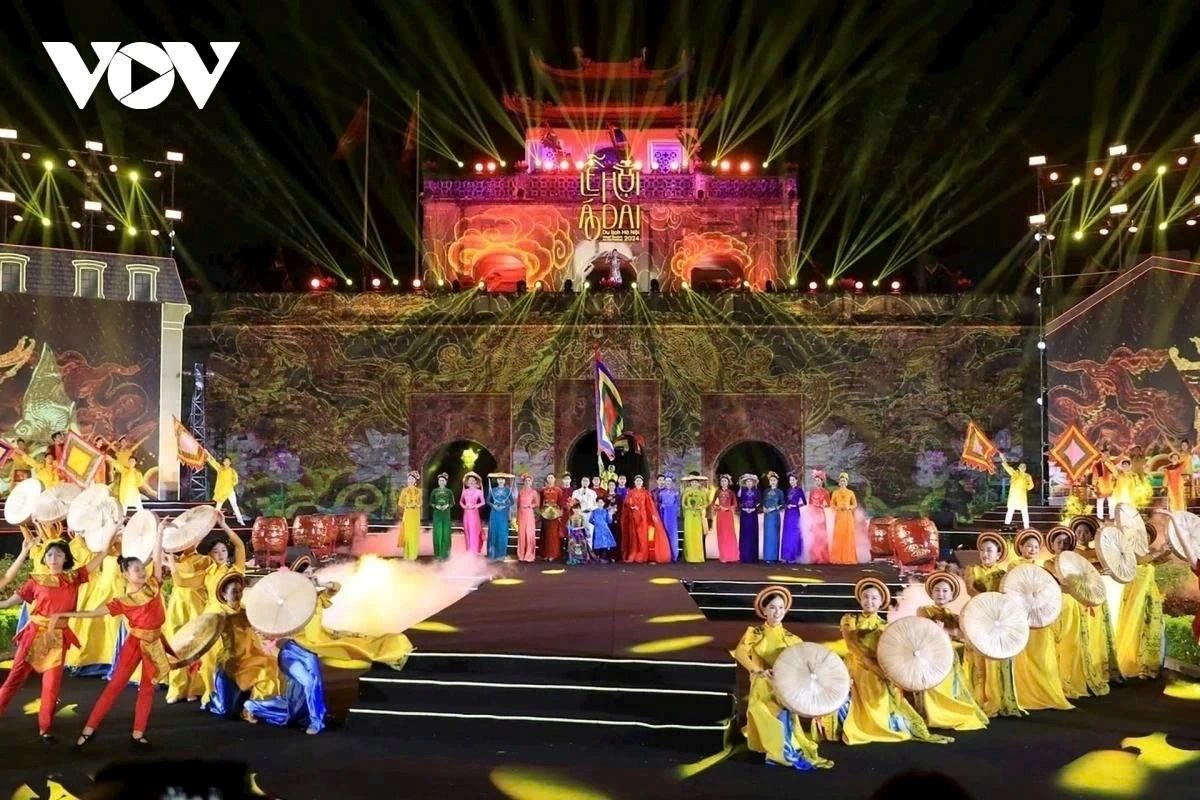
Another key message of Resolution 80 is the requirement to develop culture on par with economic, political, and social sectors. In modern development thinking, culture is no longer confined to artistic expression or entertainment. Instead, it is recognised as a source of internal strength capable of generating economic activities, creating jobs, and promoting the image of Vietnam and its people to the international community.
When culture permeates social life, its intangible values can gradually transform into material benefits. Cultural industries, tourism, heritage conservation, and creative sectors all contribute to economic growth while simultaneously preserving the country’s rich traditions and identity.
However, the process of translating cultural policies into practical outcomes still faces several challenges. One of the main obstacles is the uneven level of cultural awareness within society. While some individuals fully understand the power and depth of culture, others still perceive it primarily as a form of artistic enjoyment or entertainment, overlooking its broader role in shaping social development.
Globalisation and rapid technological advancement also present new challenges. Diverse cultural trends and ideas from around the world are now widely accessible, especially through digital platforms. Without strong cultural awareness and critical understanding, some segments of society, particularly young people, may find it difficult to distinguish between authentic cultural values and misleading or inappropriate influences.
Social media further accelerates the spread of lifestyles, fashion trends, and patterns of social behavior. Some of these trends may not align with traditional Vietnamese cultural values, yet they can still gain widespread popularity and be mistaken for symbols of modernity or progress.
For this reason, Associate Professor Dr. Pham Ngoc Trung emphasised the importance of strengthening cultural awareness and building a healthy cultural environment. Recognising potential challenges and addressing them proactively will help ensure that Vietnam’s cultural development remains balanced, stable, and aligned with national values.
In this context, Resolution 80 represents more than a policy framework. It reflects Vietnam’s strategic vision of sustainable development, where culture serves as the foundation of social harmony, the driving force for innovation, and the ultimate goal of building a civilized, humane, and prosperous society.
By positioning culture as both a catalyst and a destination of development, Vietnam seeks to ensure that economic growth goes hand in hand with cultural vitality, social cohesion, and the preservation of national identity in an increasingly interconnected world.
Unlocking the potential of cultural industries
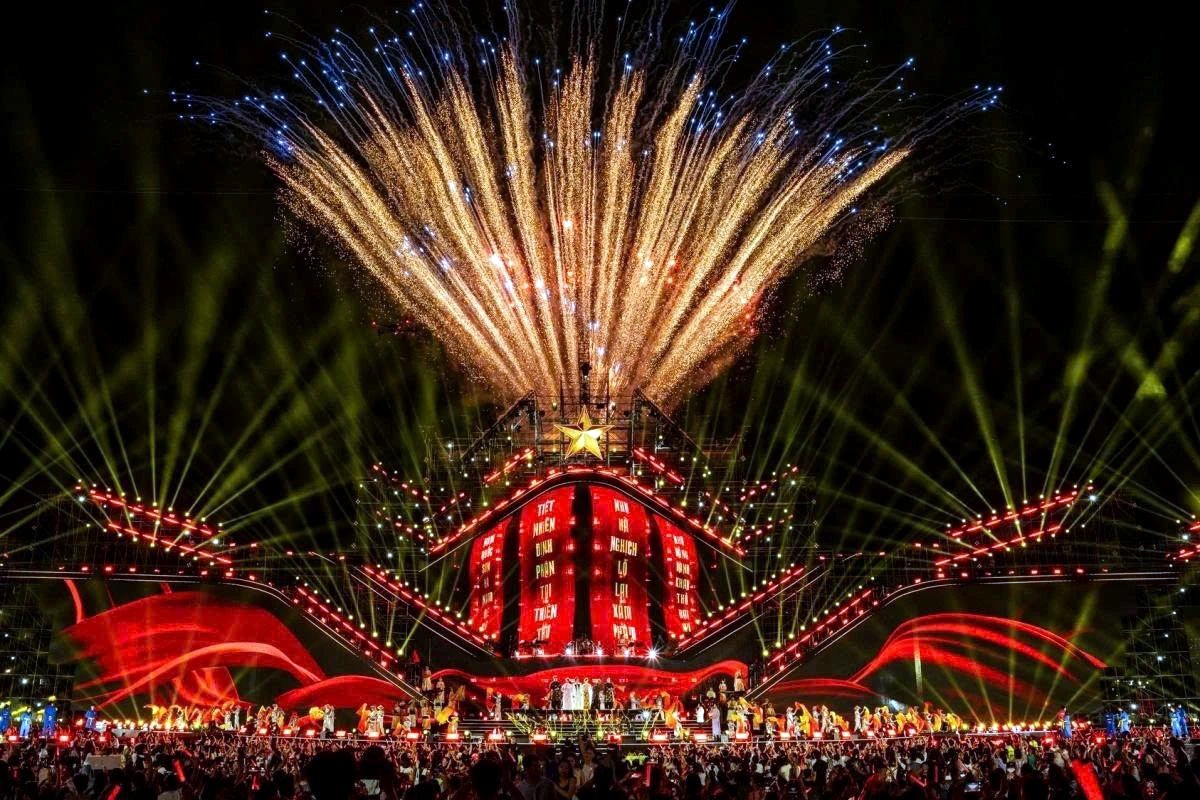
One of the key targets set by Resolution 80 is to develop Vietnam’s cultural industries so that they contribute around 7% of the country’s GDP by 2030, while enhancing the global standing of Vietnamese culture. According to Associate Professor Dr. Pham Ngoc Trung, this is an ambitious but achievable goal if supported by appropriate policies and strong institutional backing.
Vietnam’s cultural industries still hold significant potential across many sectors. With leadership from the Party, support from the State, and coordinated participation across the political system, the country could achieve important breakthroughs in cultural development. Such progress, however, requires greater awareness of the value of culture, stronger investment, improved education and training, and more emphasis on creative production.
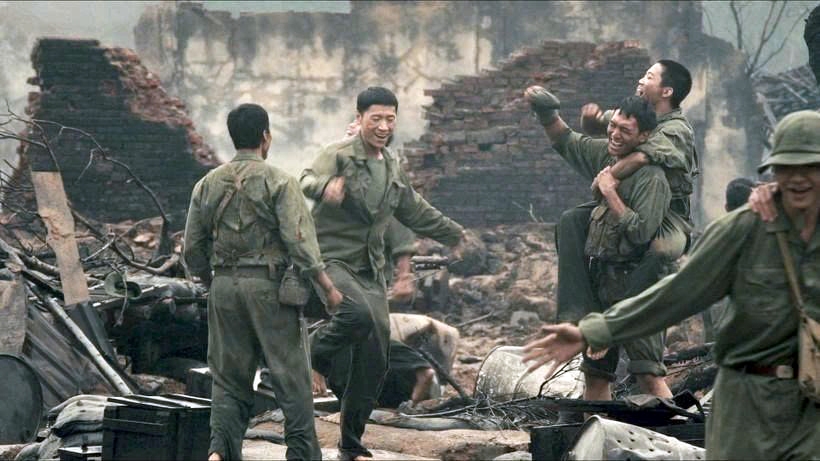
Fields such as film, music, visual arts, publishing, and journalism are increasingly demonstrating their economic potential. Several Vietnamese films in recent years have generated impressive revenues, showing that culture can produce both cultural and economic value.
To unlock this potential, cultural production needs to be organised more professionally, from concept development and scriptwriting to directing, production, and marketing. The effective use of digital technology and social media will also help Vietnamese cultural products reach broader audiences at home and abroad.
Experiences from countries such as the Republic of Korea and Japan highlight the importance of strategic investment in cultural industries. By combining traditional cultural values with modern technology and professional training, these countries have transformed culture into a major economic sector while strengthening their national brands worldwide.
Balancing cultural identity and global integration
In an era of globalisation and digital transformation, implementing Resolution 80 also requires balancing the preservation of national identity with international cultural exchange.
According to Dr. Pham Ngoc Trung, the most effective approach is to harmoniously combine the essence of Vietnam’s traditional culture with the achievements of global civilization. This balance allows cultural identity to be preserved while enabling cultural innovation and modernisation.
The performing arts offer clear examples of this creative integration. Many young artists have successfully blended traditional Vietnamese instruments such as bamboo flutes and the two-stringed fiddle with Western instruments like the piano and violin. These creative experiments have received positive recognition from international audiences and cultural experts.
Such achievements demonstrate that when tradition and modernity are thoughtfully combined, cultural identity is not diluted but strengthened. Through this approach, Vietnam can both preserve its heritage and enhance its cultural presence in the global cultural landscape.
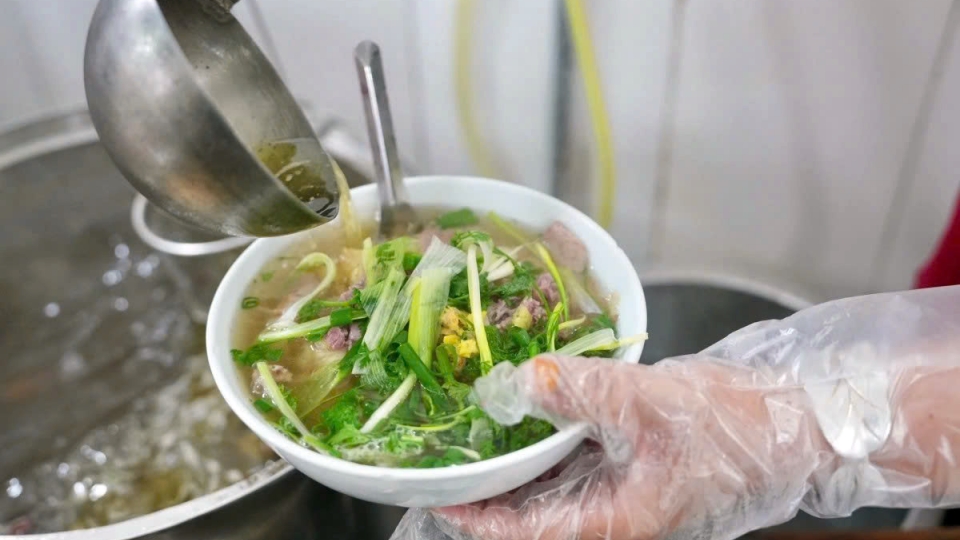
Phở as a living heritage in Vietnam’s creative cultural industries
VOV.VN - Phở, Vietnam’s iconic noodle soup, is officially recognised as national heritage and is now emerging as a global cultural symbol in the creative economy.