Lunar New Year keeps Tay traditions alive in Northern Vietnam

VOV.VN - The Tay ethnic people in northern Vietnam preserve rich Lunar New Year (Tet) traditions, from ancestral rituals and traditional cuisine to folk games and the Lồng Tồng festival.
For the Tay ethnic community in Lao Cai province, Lunar New Year is more than a festive holiday. It is a time to honour ancestors, strengthen family bonds and preserve cultural traditions that have been passed down for generations.
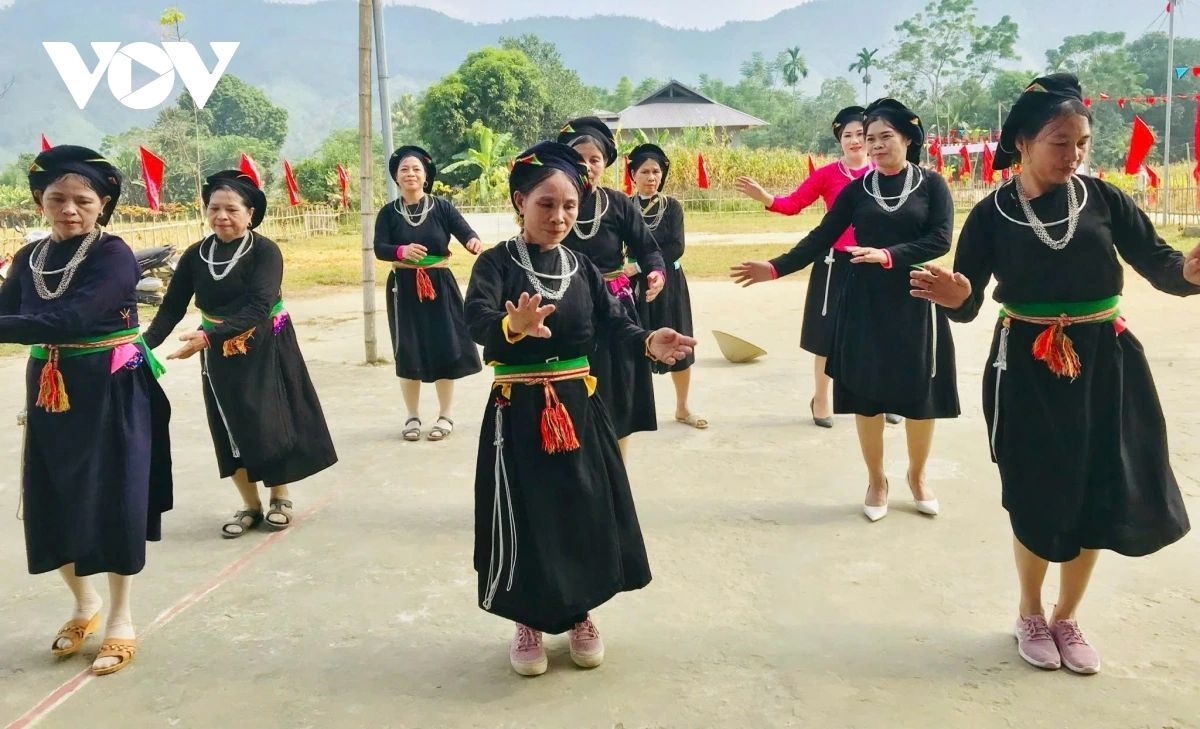
The Tay people are widely settled in districts such as Luc Yen, Van Chan, Yen Binh, Bao Yen and Van Ban. As Tet approaches in the final days of the lunar year, households begin preparing by cleaning, repainting and decorating their homes, symbolising a fresh start for the year ahead.
A key ritual during this period is visiting and tending ancestral graves, followed by inviting ancestors home to celebrate the New Year. The practice reflects the Vietnamese tradition of filial piety and gratitude toward forebears.
After welcoming their ancestors, families prepare an offering tray featuring traditional dishes such as bánh chưng gù (a humped sticky rice cake unique to the Tay), boiled chicken, pork, steamed glutinous rice, smoked sausages and herbal rice wine.
“These dishes represent not only culinary heritage but also the community’s deep respect for ancestral customs,” says Hoang Huu, a local resident of Muong Lai commune.
On the first morning of the Lunar New Year, Tay families traditionally remain at home to offer incense and gather with relatives, unless specifically invited to perform the “first-footing” ritual at another household. Elders remind younger generations to speak kindly and avoid quarrels during the first days of the year, emphasising moral conduct and harmony.
According to local cultural researcher Nong Quang Khiem, some families practicing traditional ritual professions even choose the first day of Tet to pass down ceremonial knowledge - a symbolic act of cultural continuity.
Hospitality is another defining feature of New Year celebrations of the Tay. Guests arriving at any time of day are welcomed with a full meal, regardless of whether it is breakfast, lunch or dinner. The custom reflects a spirit of abundance, solidarity and communal joy.
“For the Tay people, Tet is not only a time to worship ancestors but also an occasion to transmit moral values and strengthen bonds within families and the wider community. During this period, families who are able to do so may organize Pụt ritual chanting ceremonies to pray for peace, longevity and good fortune,” the researcher says.
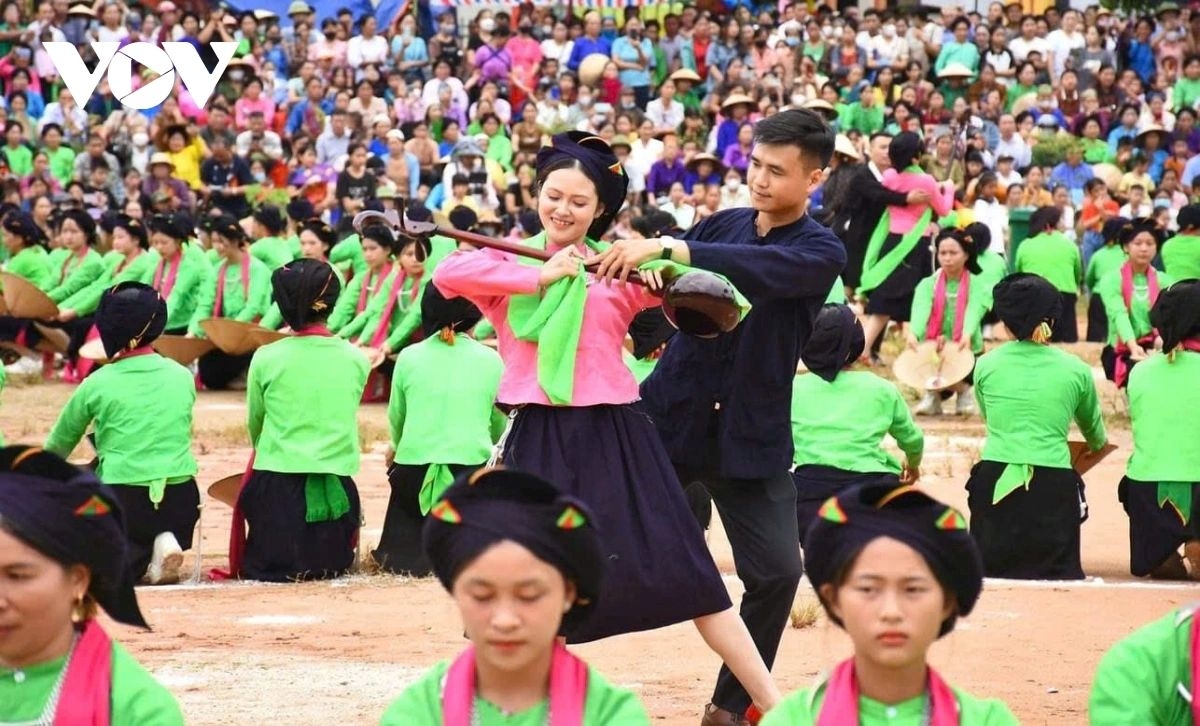
From the third day of Tet onward, communities organise spring festivities in public spaces, including folk games such as ném còn (cloth ball throwing), spinning top competitions, tug-of-war and traditional call-and-response singing. These activities provide entertainment while reinforcing cultural identity among younger generations.
After the Lunar New Year holiday, the Tay people hold the Lồng Tồng Festival (literally the “Going to the Field” festival) marking the start of a new agricultural cycle and expressing hopes for a prosperous harvest.
Amid rapid modernisation, the Tay community in Lao Cai continues to safeguard its distinct New Year traditions. For them, Tet remains not only a celebration of renewal, but also a living space where cultural identity is honoured, preserved and handed down to future generations.
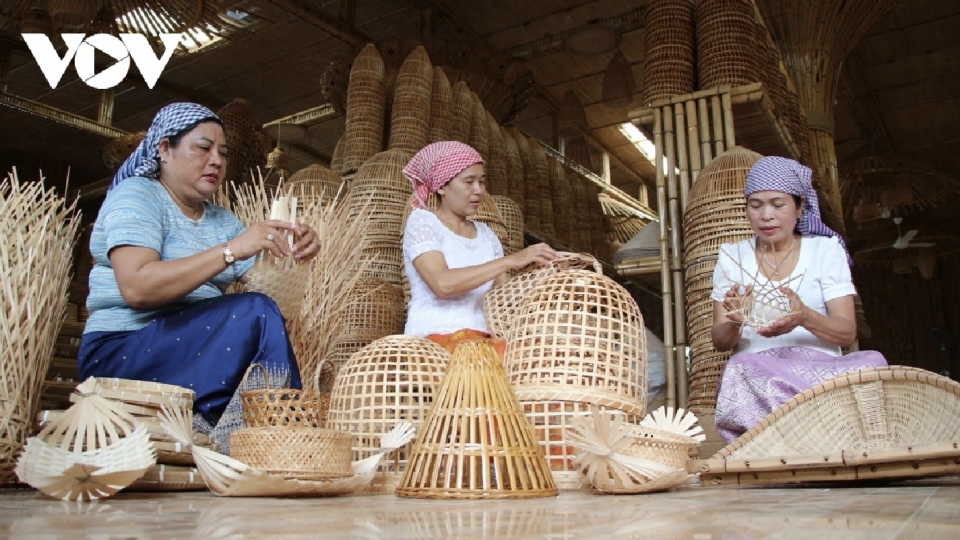
Khmer ethnic people welcome Lunar New Year with renewed hope
VOV.VN - Amid the joyful atmosphere of the first days of the Lunar New Year, smiles can be seen on the faces of Khmer ethnic people across their hamlets in Can Tho City, as they bid farewell to the old year with positive changes and welcome the new year with hopes for a more prosperous and fulfilling life.