




Hanoi Festival of Creative Design connects heritage with creative economy

VOV.VN - The Hanoi Festival of Creative Design (HFCD) 2026 will turn historic streets, traditional craft spaces and public parks into places for contemporary art and design, showing how the Vietnamese capital can transform its cultural heritage into new creative and economic opportunities.
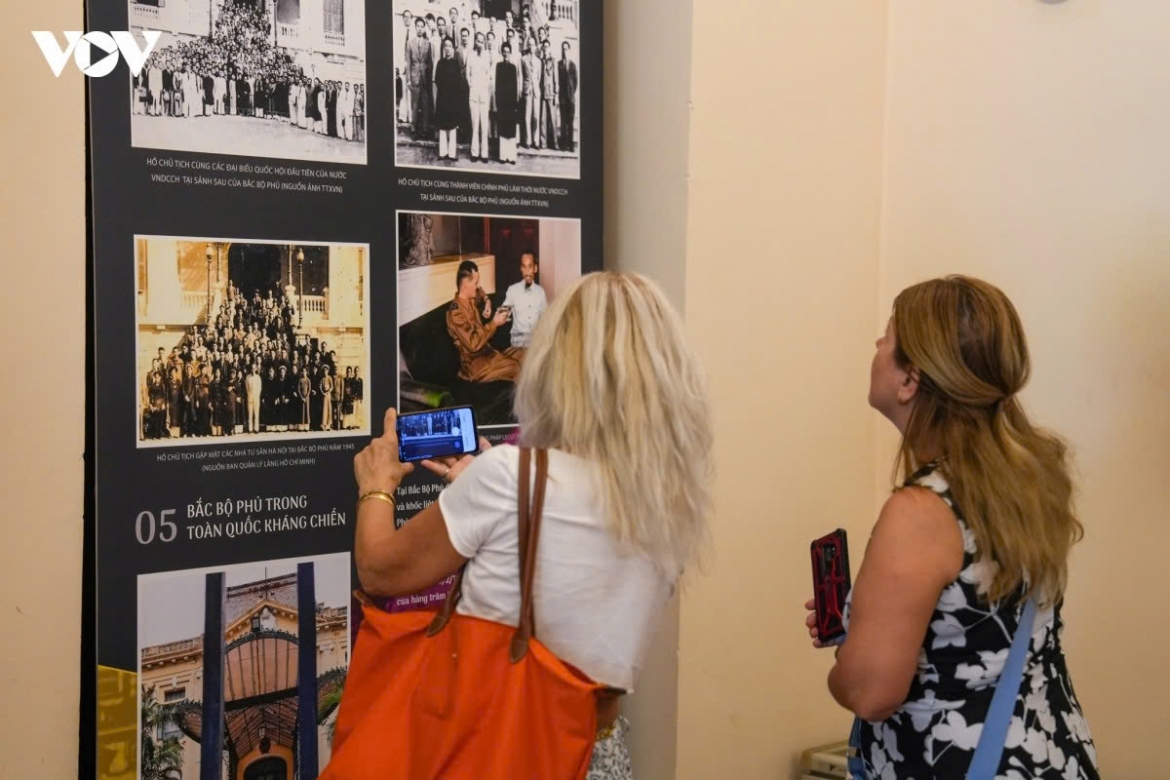
Running from November 13 to 28, the festival, the fifth of its kind, will centre on the theme Thang Long Ke Nghe that highlights creative skills, professional knowledge and the refinement embodied in traditional handicrafts of Hanoians.
Nearly 1,000 artisans and artists are expected to contribute to the programme, including almost 100 international artists and Vietnamese artists living overseas. Activities will be held around Hoan Kiem Lake, the Old Quarter, Dong Xuan–Bac Qua Market, Hang Dau Water Tower, Thong Nhat Park and other participating locations across the city.
According to organisers, the festival seeks to bring traditional crafts into contemporary life through new products, services and experiences. The creative economy is a central focus, with the aim of transforming cultural resources and creative capabilities into economic value.
Hanoi's creative journey gained international recognition in 2019, when the city joined UNESCO's Creative Cities Network in the field of Design. The festival was launched in 2021 and has since brought artists, designers, young people and local communities together to explore how creativity can help shape the city.
The 2026 edition places greater emphasis on the creative economy — connecting cultural heritage and design with markets, tourism and business opportunities. Rather than concentrating on a single exhibition venue, it will use familiar urban spaces as places for people to discover, experience and participate in creative activities.
One highlight will be the Old Quarter, where traditional craft streets and historic communal houses will provide a setting for exhibitions, demonstrations and hands-on experiences. Crafts such as lacquerware, embroidery, silk-making and woodblock printing will be presented in ways that help visitors engage with the skills and knowledge passed down through generations.
Meanwhile, Dong Xuan Market will offer another perspective on the relationship between heritage and modern life. Known as one of Hanoi's historic commercial centres, the market will host art installations, exhibitions and fashion-related activities that connect creative expression with the city's trading traditions.
A key ambition of the festival is to ensure that creative ideas can develop into viable products and lasting partnerships. The programme will connect artisans and designers with businesses, retailers and tourism operators, while a creative fair is expected to showcase thousands of design products from more than 200 participating organisations. The wider initiative also encourages new visitor experiences that link craft villages, heritage sites and local businesses.
International cooperation is another part of that effort. UNESCO, UN-Habitat, the European Union, embassies and cultural organisations are among the partners associated with the festival's wider activities. Artist residencies and collaborative projects are intended to create opportunities for Vietnamese and international practitioners to exchange ideas, skills and approaches.
The opening ceremony is scheduled for November 13 at the eastern square of Hoan Kiem Lake, while the closing ceremony is planned for November 28 near Dong Xuan Market.
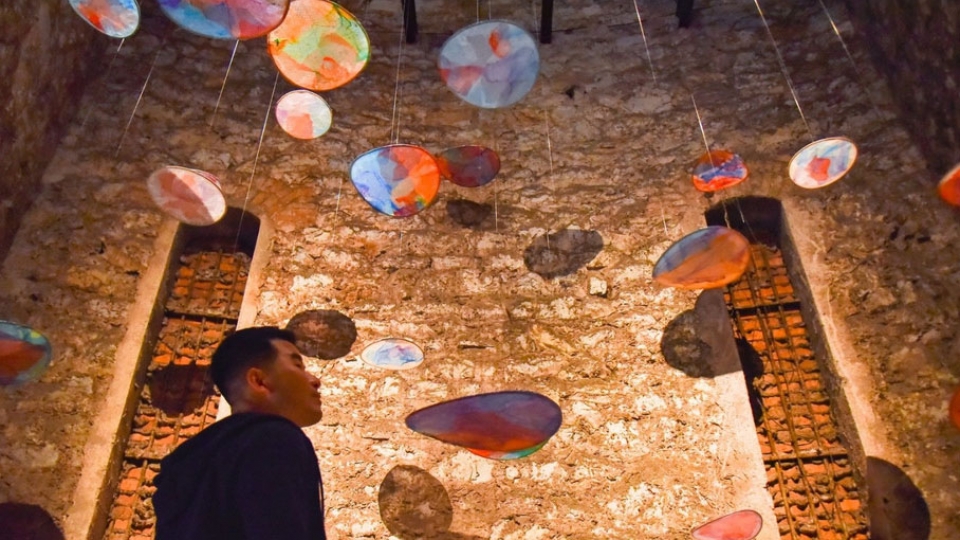
Hanoi Creative Design Festival 2026 to run year-round, building a creative ecosystem
VOV.VN - The biennial Hanoi Creative Design Festival, with major events typically in November, will run from January to November in 2026, shifting from a traditional festival model to a dynamic urban creative ecosystem.

