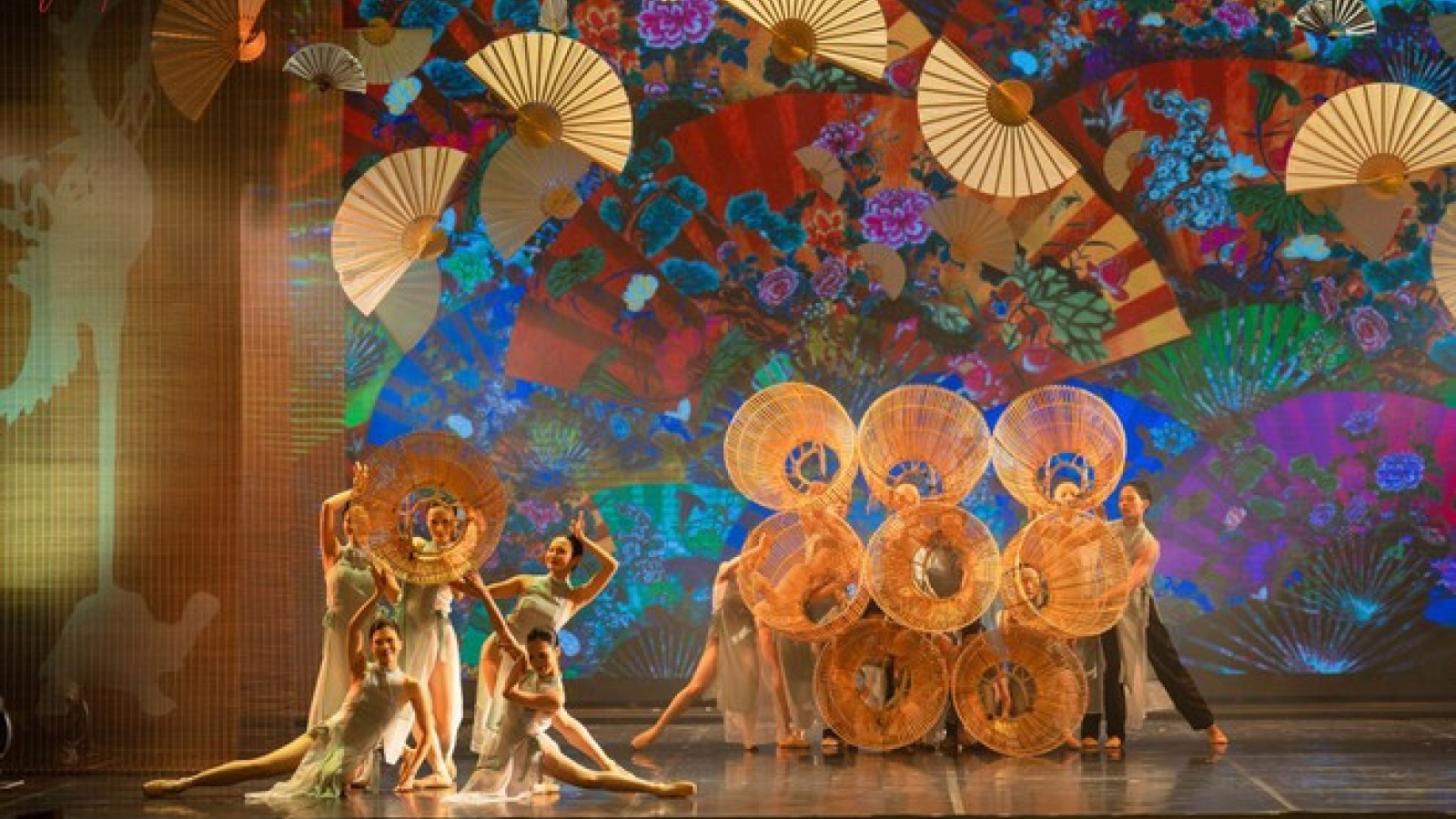
Folk culture seen as ‘gold mine’ for Vietnam’s cultural industries

The Politburo’s Resolution No. 80-NQ/TW on the development of Vietnamese culture defines culture as a source of national soft power and a direct driver of socio-economic growth.
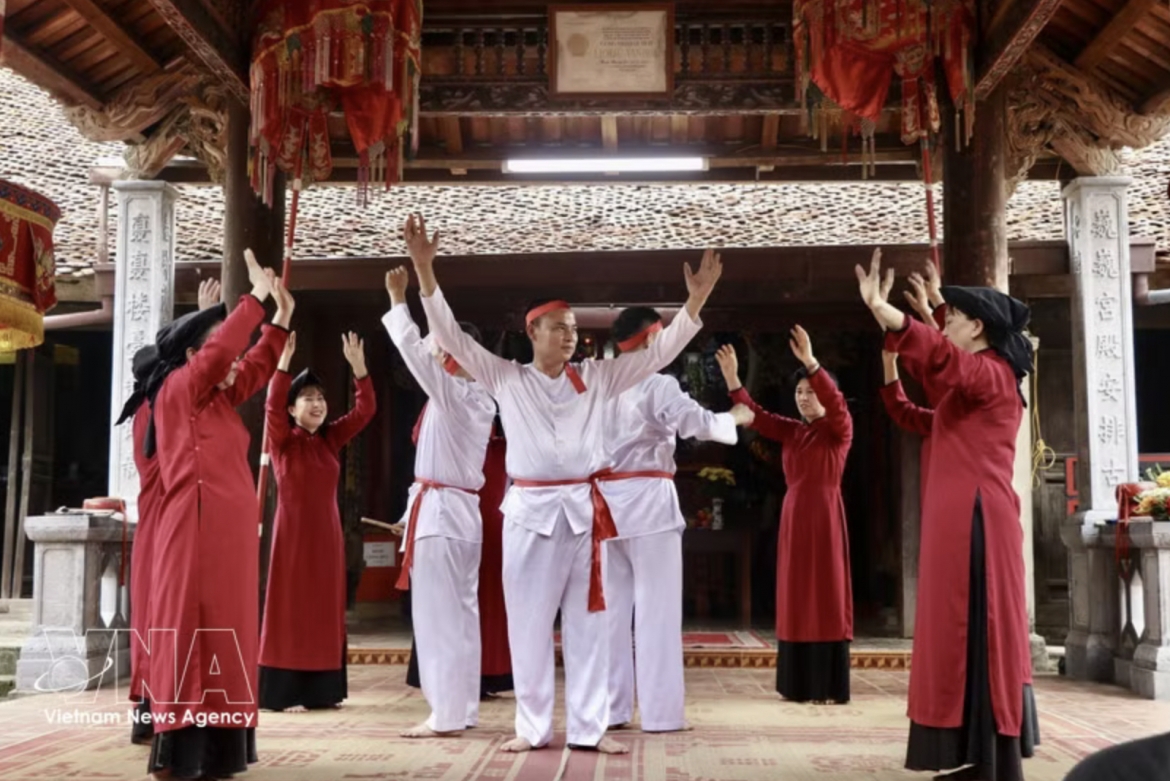
Notably, it introduces a new approach to heritage, including folk culture, viewing it not only as a legacy to be preserved but also as a valuable resource for developing cultural industries in the new era.
Prof. Dr Le Hong Ly, Chairman of the Vietnam Folk Arts Association, said folk culture has always held a central position in the spiritual and cultural life of Vietnamese people throughout history. Before the August Revolution, when more than 90% of the population was illiterate, folk culture served as the primary means through which history, customs, beliefs and moral values were transmitted from one generation to another.
Legends of the Hung Kings, Saint Giong, the Trung Sisters, Ngo Quyen and Tran Hung Dao entered the public consciousness through oral storytelling, village festivals and community rituals. Folk songs, proverbs, ceremonies and traditional practices helped nurture patriotism, solidarity and the Vietnamese tradition of gratitude to ancestors.
Vietnam is home to more than 8,000 cultural and religious festivals, alongside a vast treasure of folk performing arts, rituals, handicrafts and traditional cuisine of the country’s 54 ethnic groups.
Forms of folk art such as quan ho singing, xoan singing, cheo, tuong and cai luong, together with rituals related to agriculture, forests and water worship, have become distinctive cultural assets and formed an enduring foundation of national identity.
Cultural experts described this rich heritage as a huge “gold mine” for the development of cultural industries. However, they stressed that exploitation must strike a balance between economic value and cultural authenticity.
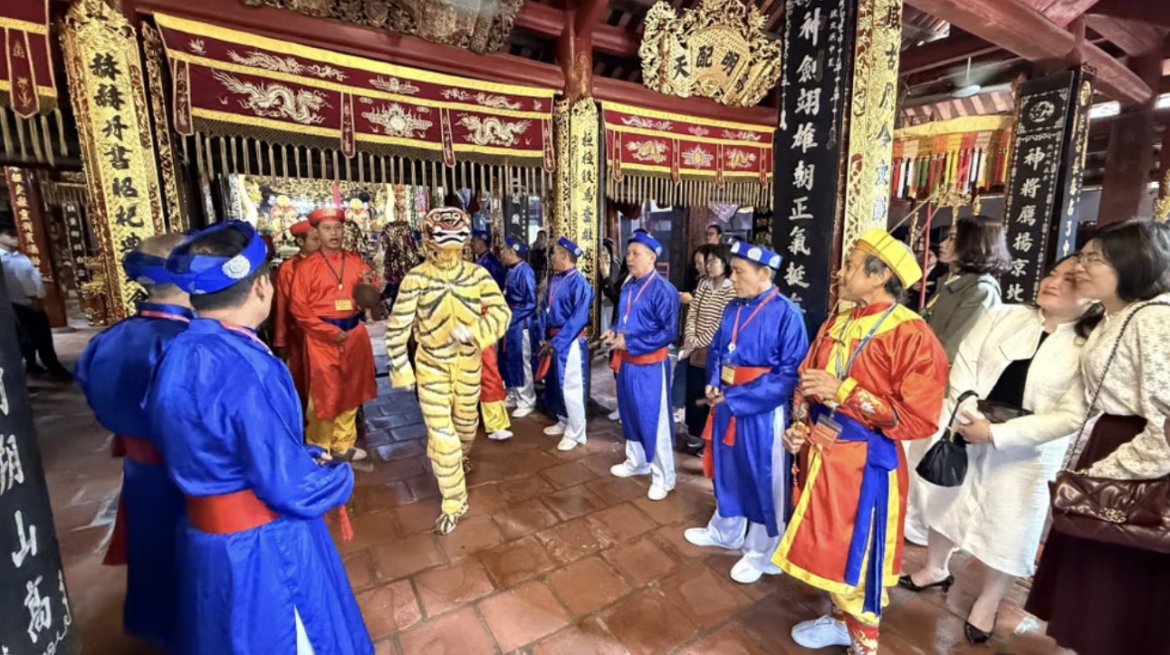
Ly said that while Vietnam has yet to build globally influential cultural brands like the US' Hollywood or the Republic of Korea’s K-pop wave, folk culture offers a unique advantage thanks to the diversity of its ethnic cultures. This diversity can endlessly inspire music, cinema, tourism, performing arts and contemporary creative products.
In recent years, many young artists have successfully incorporated folk elements into modern entertainment. Singer Hoa Minzy attracted wide attention with the music video “Bac Bling” while Duc Phuc won the Intervision Song Contest 2025 with “Phu Dong Thien Vuong”, which blended folk melodies with rap. Soobin Hoang Son has also drawn praise for creatively reinterpreting traditional materials in contemporary music.
Researchers said these successes demonstrate that folk culture is not a static heritage but a dynamic economic resource capable of appealing to younger generations when presented through modern thinking and technology.
Resolution 80 also highlights the need to fully identify and effectively utilise cultural resources, placing heritage at the centre of sustainable cultural development. Experts believe this orientation is strategically important as global competition increasingly depends not only on economic or technological strength but also on cultural influence.
Many sectors identified by Vietnam for cultural industry development are closely linked with folk culture, including cultural tourism, performing arts, handicrafts, fashion, cinema, digital media and cuisine. Folk legends such as Saint Giong, Son Tinh – Thuy Tinh and Chu Dong Tu could become valuable materials for films, animation, video games and stage productions, similar to how other countries have commercialised their own myths and legends.
Experts stressed that Vietnam must combine folk culture with modern technology, creative storytelling and international promotion strategies. When revitalised through innovative formats and contemporary expression, folk culture can become both a sustainable economic resource and an effective channel for promoting Vietnam’s image worldwide.
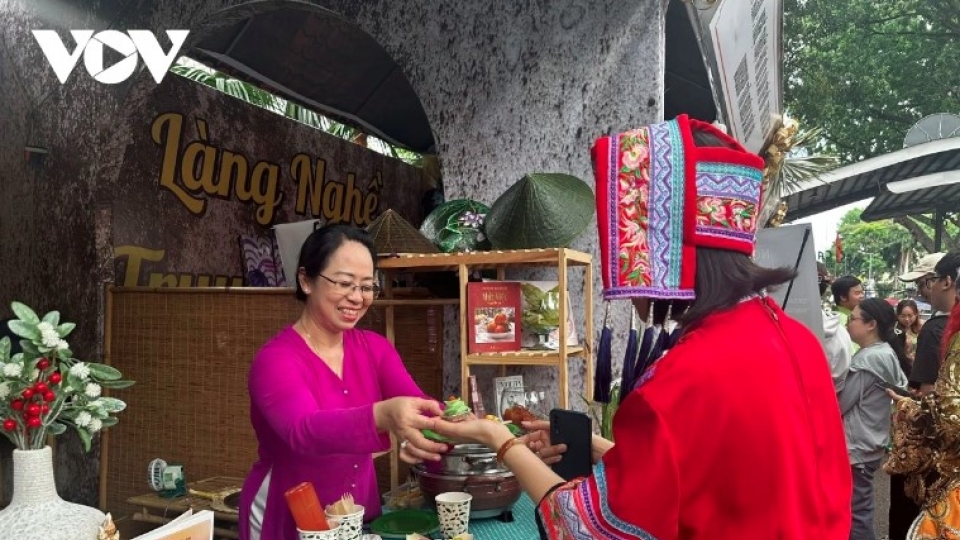
Vietnamese folk arts highlighted at cultural festival of three regions
VOV.VN - A folk culture festival of three regions showcasing the essence of traditional craft villages and Vietnamese folk arts, is taking place at Saigon Zoo and Botanical Gardens in Ho Chi Minh City from April 2-4, in celebration of the Hung Kings’ Commemoration Day (10th day of the 3rd lunar month) and the 50th anniversary of the liberation of the South and national reunification.