Exhibition spaces seen as untapped assets for Vietnam’s tourism industry

VOV.VN - Exhibition spaces in Vietnam are increasingly being seen as untapped assets for the tourism sector, as policymakers and experts explore ways to turn underused venues into experience-driven destinations.
As the creative economy gains momentum globally, many countries have transformed fairs and exhibition spaces into powerful value-generating platforms that connect culture, commerce and tourism, attracting millions of visitors each year. In Vietnam, a similar approach is increasingly being discussed, though how to turn exhibition venues into truly compelling tourism products remains an open question.
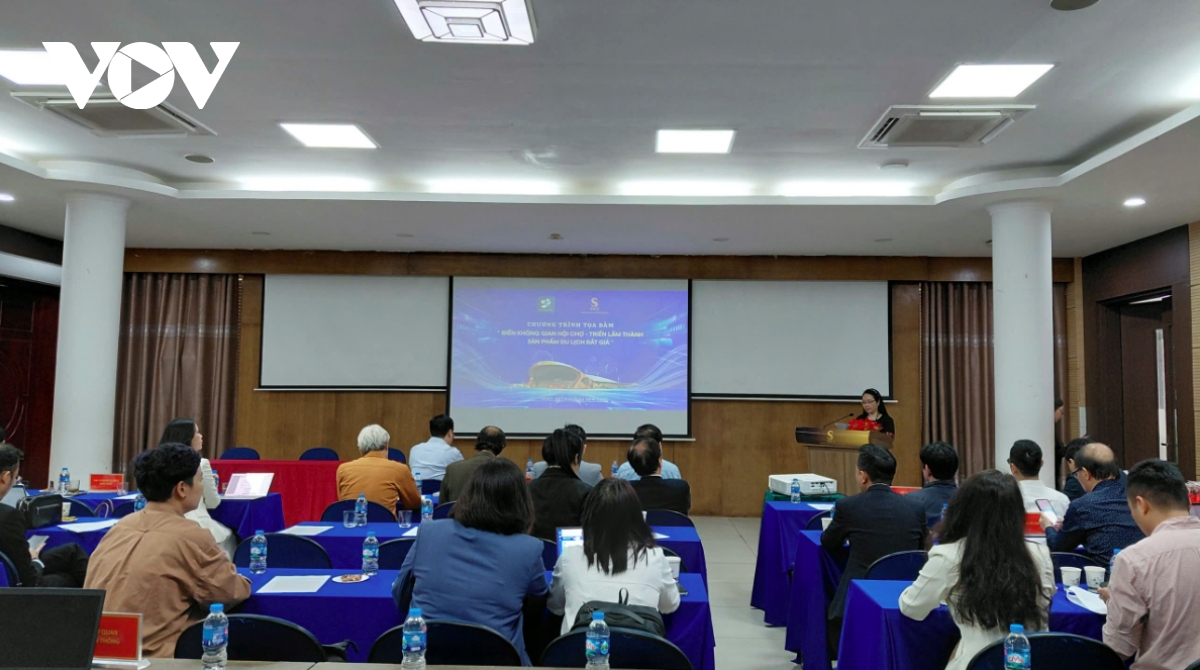
This issue was discussed at a seminar titled “Turning exhibition spaces into high-value tourism assets,” held in Hanoi on March 20 by the Vietnam Centre for Research and Development of Cultural Industries and the Faculty of Architecture and Planning at the National University of Civil Engineering – Hanoi.
Participants noted that many cultural facilities, including museums, exhibition centres and stadiums, are underutilised, often active only during major events or weekends. Despite high operating costs, their economic returns have yet to match expectations, highlighting the need for new, experience-driven models to better activate these spaces.
Nguyen Thu Hanh, director of the Vietnam Centre for Research and Development of Cultural Industries, said many public cultural venues stay idle for long periods and cannot rely indefinitely on state support. She stressed the importance of rethinking these spaces through a multi-dimensional lens, integrating them into value chains of the cultural industries to create new, market-oriented products capable of operating year-round.
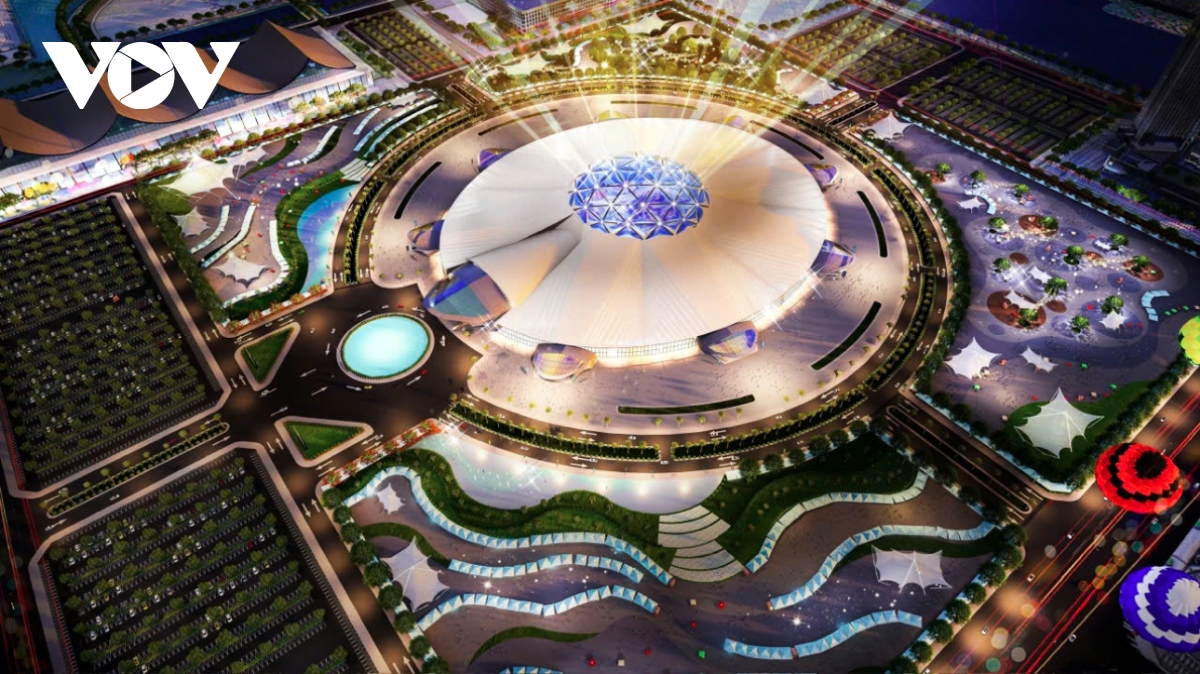
One case study discussed at the seminar was the Vietnam National Exposition Centre in Dong Anh commune, Hanoi. With its large scale and proximity to the historic Co Loa site, the venue is seen as having strong potential to become a new destination combining exhibitions, tourism and cultural experiences.
However, experts emphasised that realizing this potential would require coordinated changes, from event organisation strategies to the development of tourism products linked to exhibitions.
Le Minh Khue from the Faculty of Architecture and Planning at the National University of Civil Engineering suggested leveraging both modern infrastructure and traditional cultural elements, particularly the historical value of Co Loa, to create a flexible, multi-functional space that can be used more efficiently over time.
Drawing on international experience, participants agreed that Vietnam has significant opportunities to develop exhibition-driven tourism by capitalising on its cultural assets, human resources and growing market. What is needed, they said, is a long-term strategy that clearly positions exhibition spaces as integral components of the broader creative economy ecosystem.
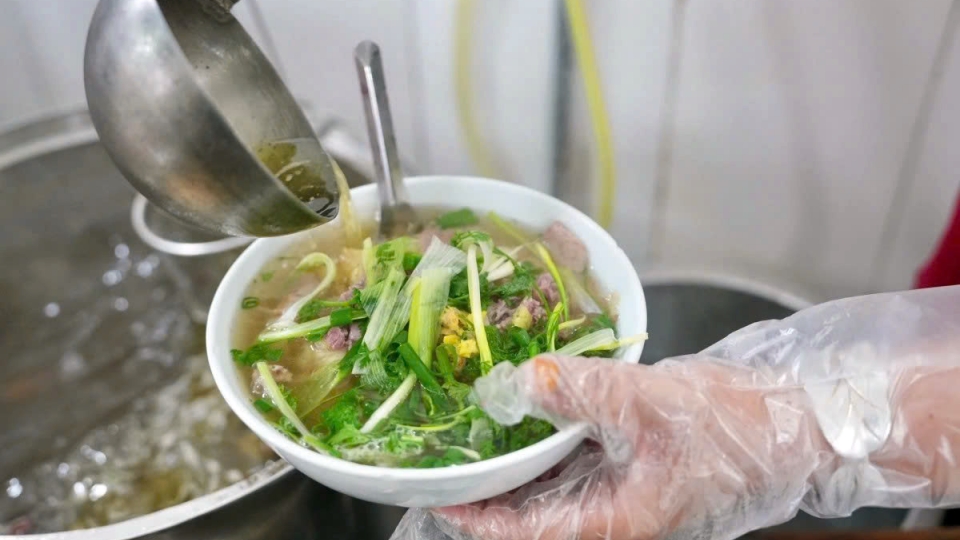
Phở as a living heritage in Vietnam’s creative cultural industries
VOV.VN - Phở, Vietnam’s iconic noodle soup, is officially recognised as national heritage and is now emerging as a global cultural symbol in the creative economy.