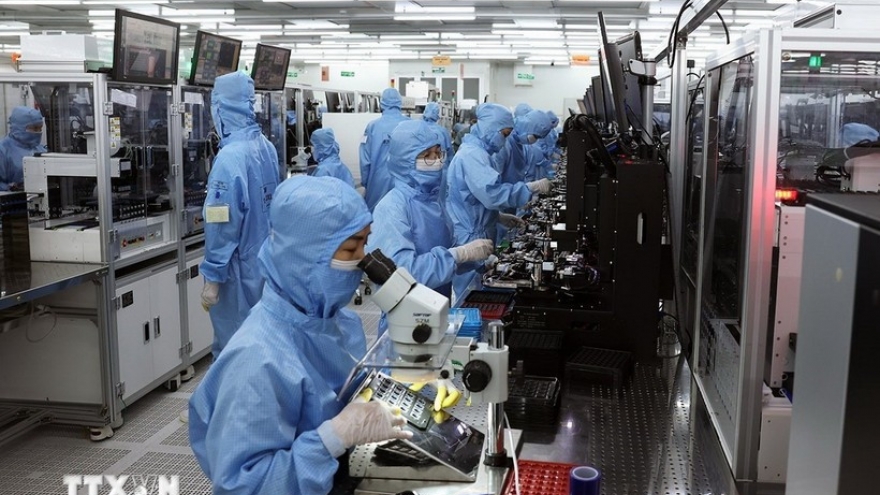
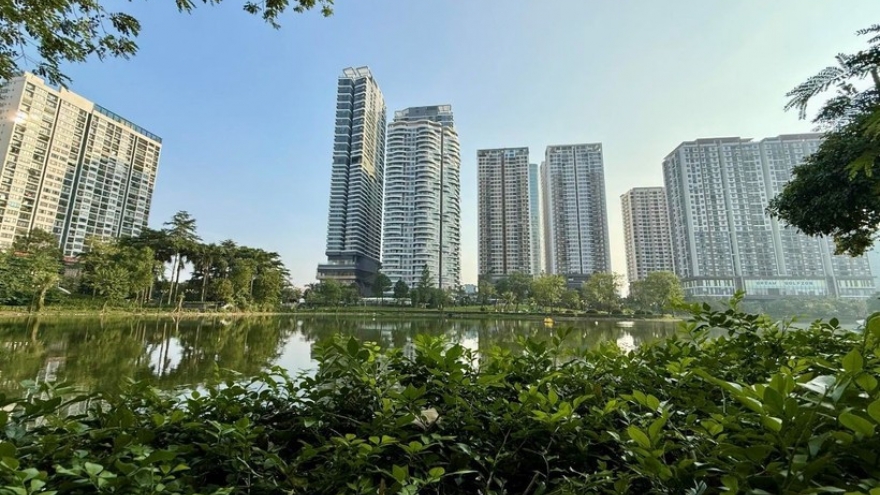
Hanoi targets high-tech and creative industry investors

VOV.VN - Foreign direct investment (FDI) inflows into Hanoi continued to rise strongly in 2025, with both scale and quality showing marked improvement. Backed by new mechanisms under the 2024 Capital Law, the city is reinforcing its appeal as a dynamic urban centre with a strategic vision for investment attraction and infrastructure development.
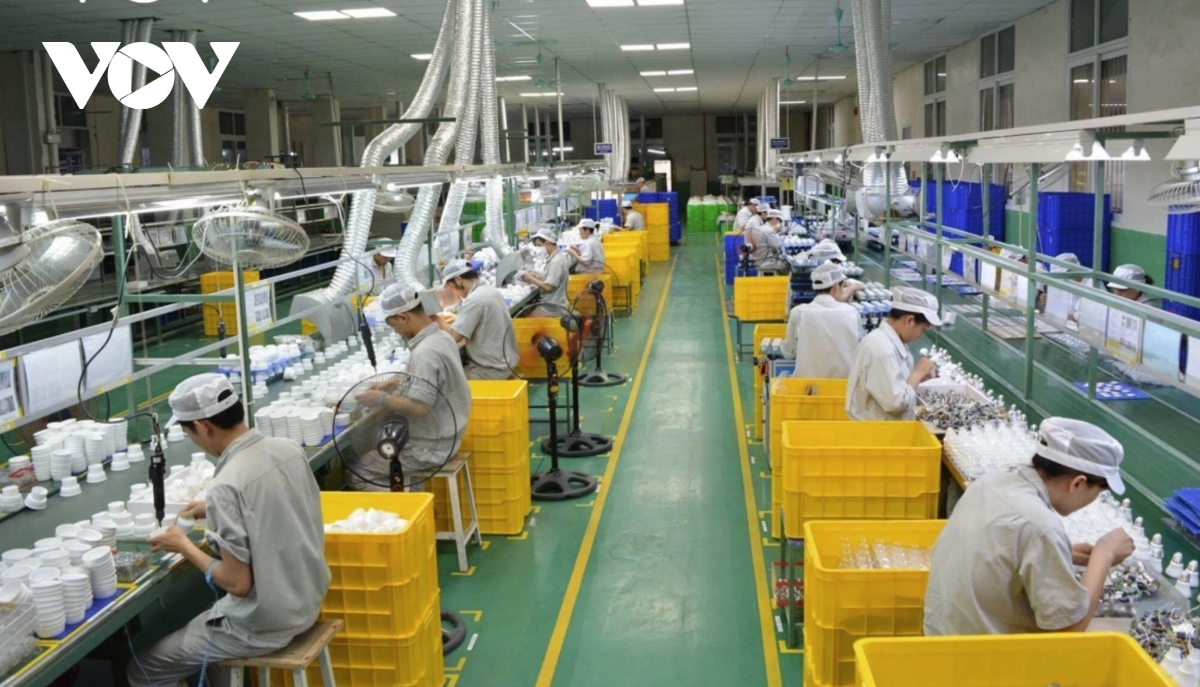
Over the past 11 months of the year, the capital drew more than US$4 billion in FDI, a 2.3-fold increase from the same period last year, underscoring the capital’s growing appeal on regional and international investment maps.
In November alone, nearly US$400 million flowed into the city through dozens of newly licensed projects, capital adjustments and equity acquisition deals. The inflow reflected investor confidence and Hanoi’s preparedness for shifts in global capital flows. Among the most notable projects was the Yen So Park development by Gamuda Land Vietnam, which received an additional US$1.12 billion from a Malaysian investor, signalling long-term confidence in the Hanoi market.
Since the start of the year, projects such as the Nam Thang Long New Urban Area (Ciputra) and ParkCity Hanoi have also recorded substantial additional investment, showing that major investors are not only entering the market but are prepared to maintain a long-term presence. Expanded infrastructure, streamlined administrative procedures and a more visible pro-business approach, particularly in public investment implementation and private investment attraction, have reinforced this trend.
Le Trung Hieu, Deputy Director of the Hanoi Department of Finance, said the city consistently views enterprises as a vital resource working alongside municipal authorities in public investment, while businesses focus on projects that Hanoi is seeking investors for. He noted that the guiding principle is to allow non-state investors to undertake activities that fall within their capacity, creating space for greater private-sector participation.
Greater flexibility in governance has accelerated the progress of key projects, with VND79.7 trillion in public investment disbursed over the 11-month period. This shows Hanoi’s determination to expand development space and upgrade infrastructure. Many investors say the city has made effective use of its advantages in human resources, market size and international relations to attract capital more efficiently.
Nguyen Anh Tuan, chairman of the Vietnam Association of Foreign Invested Enterprises (VAFIE), said cooperation has enabled Hanoi to leverage the expertise of specialists and the combined strength of the association’s members, as well as VAFIE’s links with international organizations and government agencies, to pursue investment promotion more effectively in the coming years.
As Hanoi targets strategic capital inflows into high-tech industries, creative sectors and green, smart urban development, improving FDI performance has been identified as a decisive preparatory step for the next acceleration phase. The spirit of Resolution 17/2025 of the municipal People’s Council, together with the 2024 Capital Law, has established a more advanced legal framework, clearly defining priority sectors and criteria for strategic investors, ranging from financial capacity to commitments on technology transfer and workforce training.
At industrial parks and high-tech zones, thorough preparation is translating into a clearer competitive edge. Hoa Lac, a key pillar of the innovation ecosystem, currently has hundreds of hectares of cleared land available, along with a range of incentives for investors.
Tran Anh Tuan, Deputy Head of the Hanoi Management Board of High-Tech Parks and Industrial Parks, said Hoa Lac High-Tech Park covers a total area of 1,586 hectares, with around 700 hectares of cleared land ready for investment. He added that the park offers numerous support policies and incentives, many of which are tailored to specific industries.
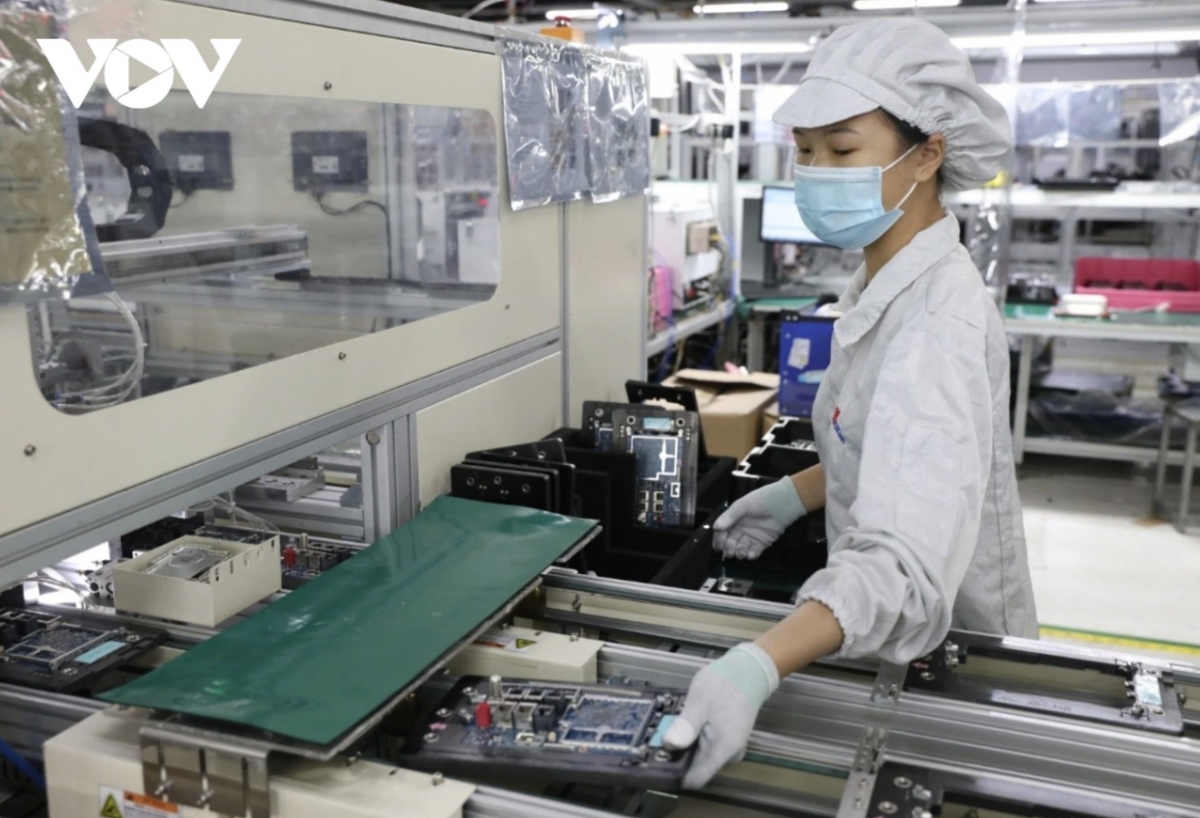
From now until 2030, Hanoi plans to focus FDI attraction on advanced and clean technologies with strong spillover effects, helping strengthen production networks and global supply chains.
The city is intensifying targeted investment promotion, reaching out directly to major groups from Japan, the Republic of Korea, Singapore, Malaysia, China and Taiwan (China).
An increasingly diversified FDI partner structure, spanning high technology, manufacturing and processing, financial services and urban development, highlights the capital’s widening appeal.
Associate Prof. Dr.Nguyen Thuong Lang of the National Economics University said Hanoi now needs to restructure its economic structure, prioritising high-quality and high-tech sectors and major innovation-driven industries that can generate high added value in a short time, while strengthening linkages between the capital and surrounding provinces to create stronger growth momentum.
Overall, Hanoi’s FDI picture in 2025 shows multiple bright spots. International capital inflows have expanded in scale and are increasingly concentrated in strategic areas such as high technology, smart urban development and creative industries.
With clear direction and a long-term vision, Hanoi continues to consolidate its position on Vietnam’s and the region’s FDI map, moving towards a modern, green, sustainable and more competitive capital.
With clear direction and a long-term vision, Hanoi continues to consolidate its position on Vietnam’s and the region’s FDI map, moving towards a modern, green, sustainable and more competitive capital.
Vietnam’s real estate attracts new generation FDI
Vietnam’s real estate sector continues to consolidate its position as a major magnet for foreign investors, ranking second only after processing and manufacturing in newly registered foreign direct investment (FDI).