Dong A Heritage Corridor seen as catalyst for heritage-led development

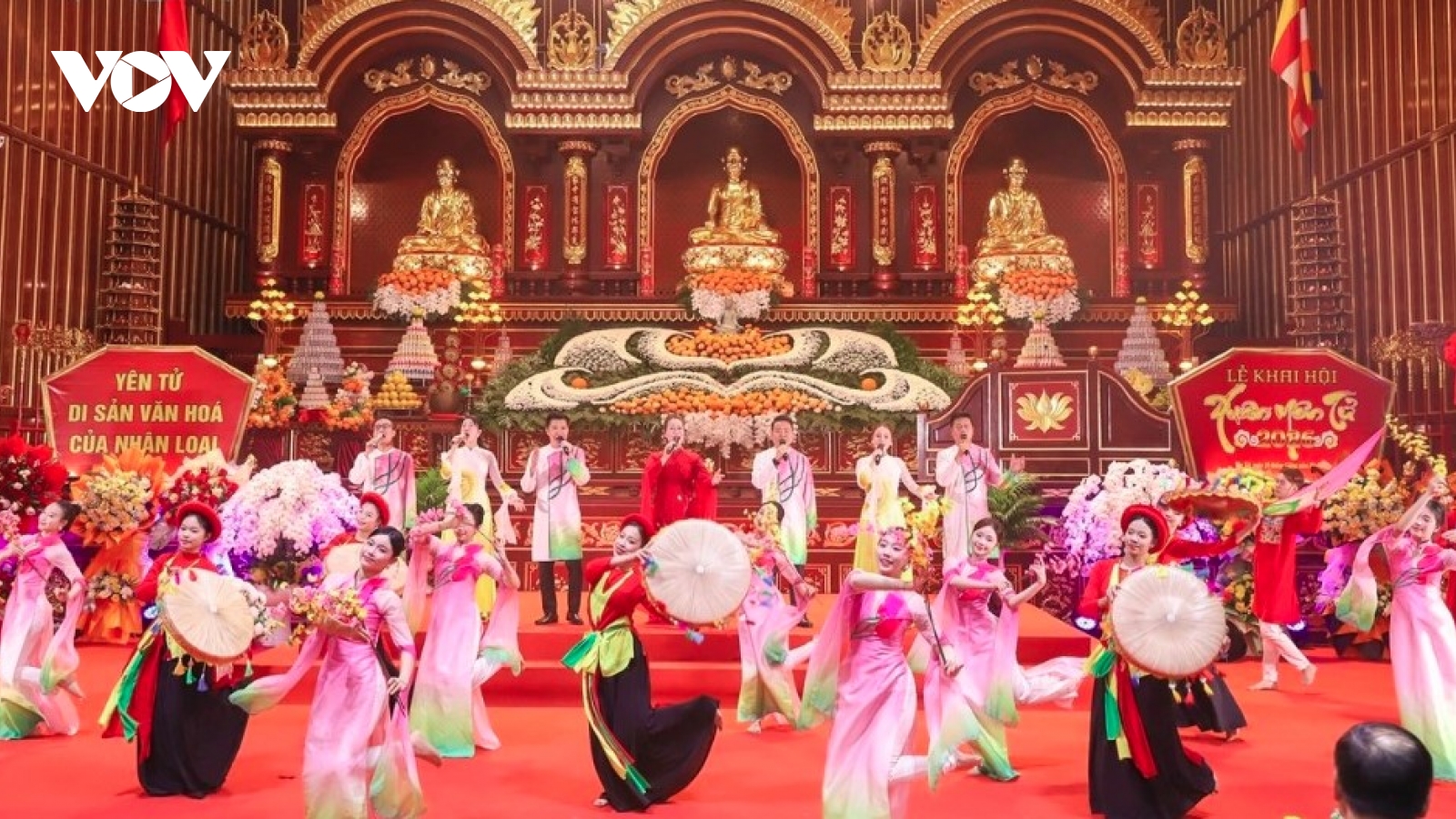
VOV.VN - Authorities in Quang Ninh province are proposing the development of a “Dong A Heritage Corridor” connecting historical and cultural sites associated with the Tran Dynasty along the Bach Dang River, in an effort to integrate heritage preservation with sustainable urban development.

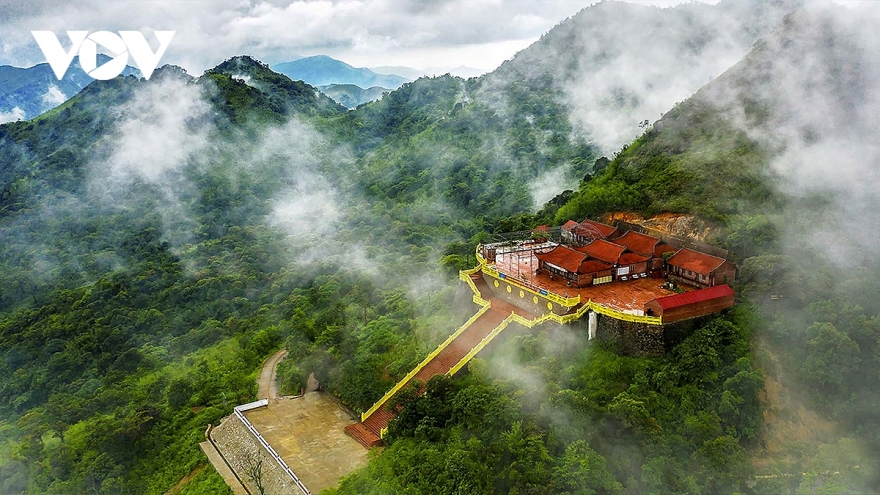
The proposal envisions a continuous heritage axis linking major landmarks from the ancient trading port of Van Don through Bai Tu Long Bay, Ha Long Bay and inland to Yen Tu and Dong Trieu, forming what experts describe as a “heritage river” of culture, knowledge and history.
The initiative follows UNESCO’s recognition of the Yen Tu–Vinh Nghiem–Con Son, Kiep Bac complex as a World Cultural Heritage site in July 2025, further elevating the profile of a broader inter-provincial heritage network spanning Quang Ninh, Hai Phong and Bac Ninh.
At a recent conference on heritage urban development in Yen Tu, experts highlighted the importance of placing Yen Tu Mountain at the centre of a wider cultural and natural landscape, connecting mountainous and coastal heritage through the proposed corridor.
Prof. Dr. Nguyen Van Kim, vice chairman of the National Cultural Heritage Council, said the idea of linking eastern coastal areas with inland cultural sites along the Bach Dang River represents a creative approach that could help preserve and promote heritage values while contributing to socio-economic development.
Beyond tourism, the corridor is expected to serve as a foundation for a new integrated approach to heritage management, shifting from isolated site-based conservation to a coordinated, inter-regional framework.
The area is notable for concentrating multiple heritage recognitions, including the World Cultural Heritage site of Yen Tu and the World Natural Heritage site of Ha Long Bay, alongside the ASEAN Heritage Park of Bai Tu Long.
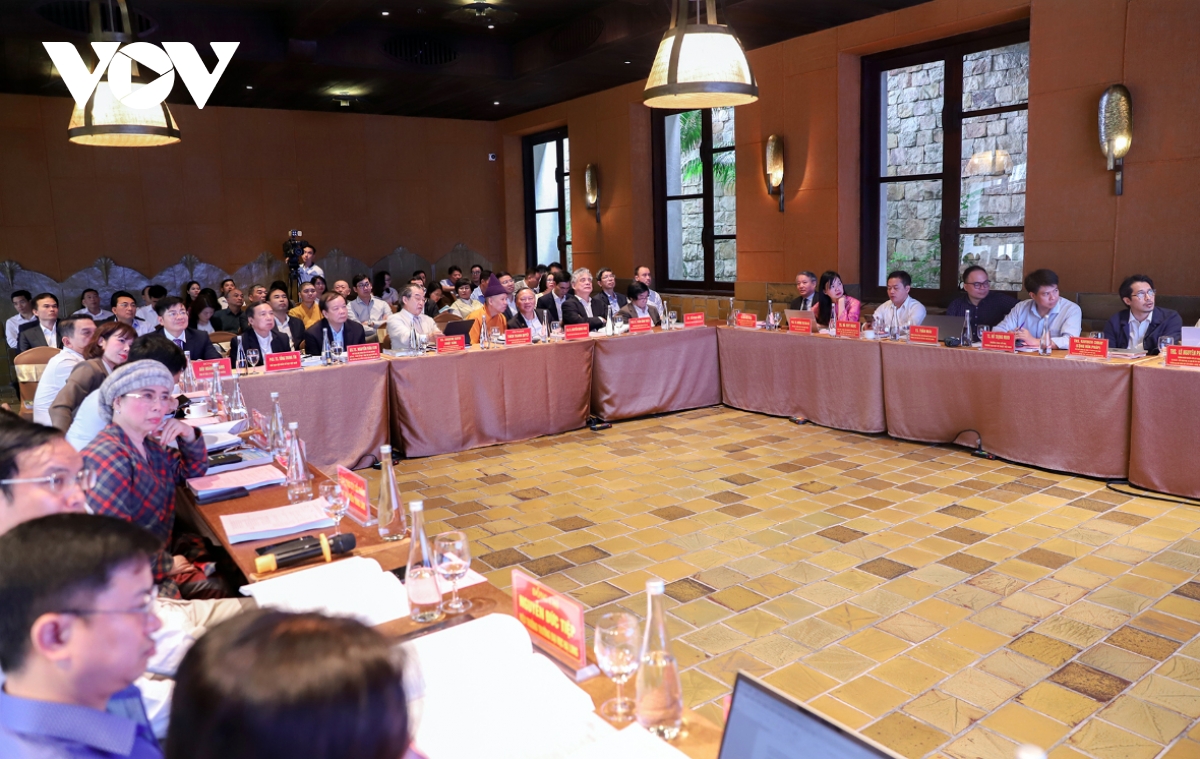
Experts said the proposed corridor could play a central role in developing a “heritage city” model in Yen Tu, where urban planning harmonises with natural landscapes rather than replacing them.
Japanese architect Shigeru Satoh, former head of the Japan Institute of Architects, emphasised the concept of coexistence between urban spaces and nature, while heritage and museum specialist Kavivath Chhay, associate creative director of the Vietnam Heritage Museum, noted that a key challenge lies in clearly defining the site’s unique identity and strengths in the early stages of development.
The proposal also includes the concept of an “Enlightenment Valley” in Yen Tu, envisioned as a hub for knowledge, creativity and talent inspired by the philosophy of King Tran Nhan Tong, founder of the Truc Lam Zen tradition.
Economist Tran Dinh Thien said Yen Tu holds the potential to become a centre for intellectual and cultural exchange, leveraging its historical and spiritual legacy to foster innovation and human capital development.

Under the long-term vision, the Yen Tu heritage urban area is expected to become the core of a “Tran Dynasty heritage triangle” linking Yen Tu, Dong Trieu and Quang Yen, with strict conservation zoning in core areas.
Experts agreed that this model could help reconcile the long-standing tension between preservation and development, promoting a shift from “living off heritage” to “living for heritage,” in which communities actively protect and enhance cultural values.
Looking ahead to 2058, the 800th anniversary of Buddhist King Tran Nhan Tong’s birth, the vision includes integrating Yen Tu into UNESCO’s network of creative cities and seeking international recognition for the historical figure as a global cultural icon.
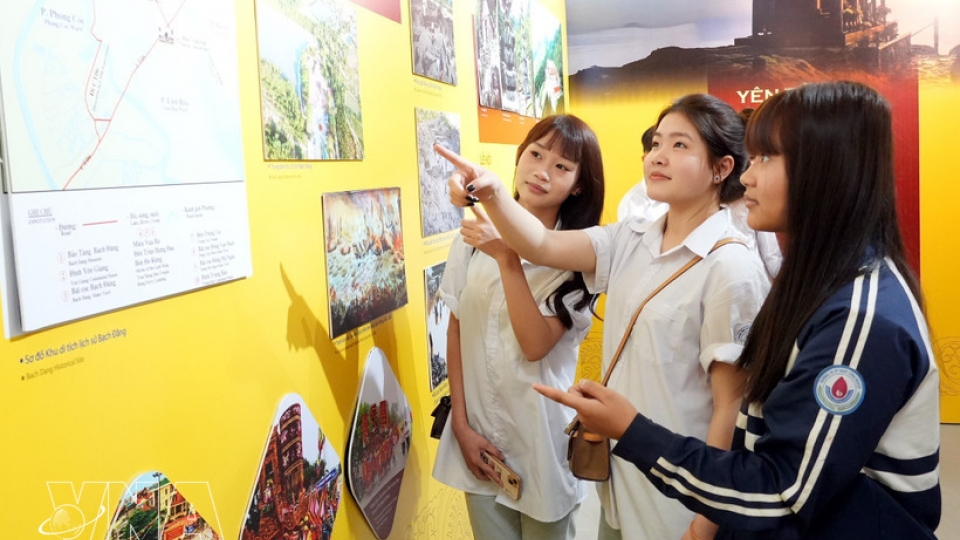
Exhibition introduces Yen Tu-Vinh Nghiem-Con Son, Kiep Bac World Cultural Heritage
The northern province of Bac Ninh’s Department of Culture, Sports and Tourism on March 20 opened a thematic exhibition at Bac Ninh Museum No. 1 introducing the World Cultural Heritage site complex of Yen Tu – Vinh Nghiem – Con Son, Kiep Bac.