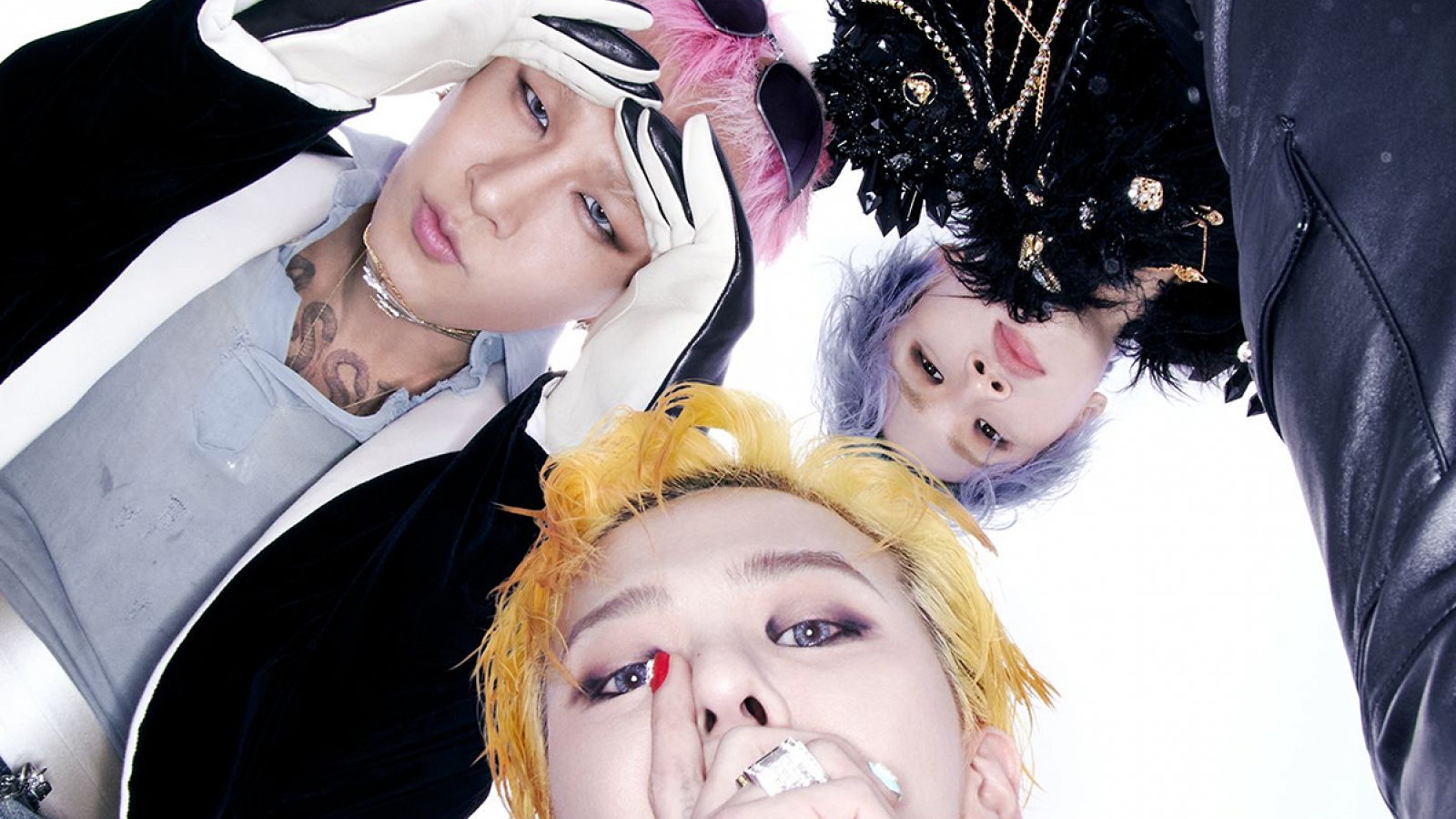
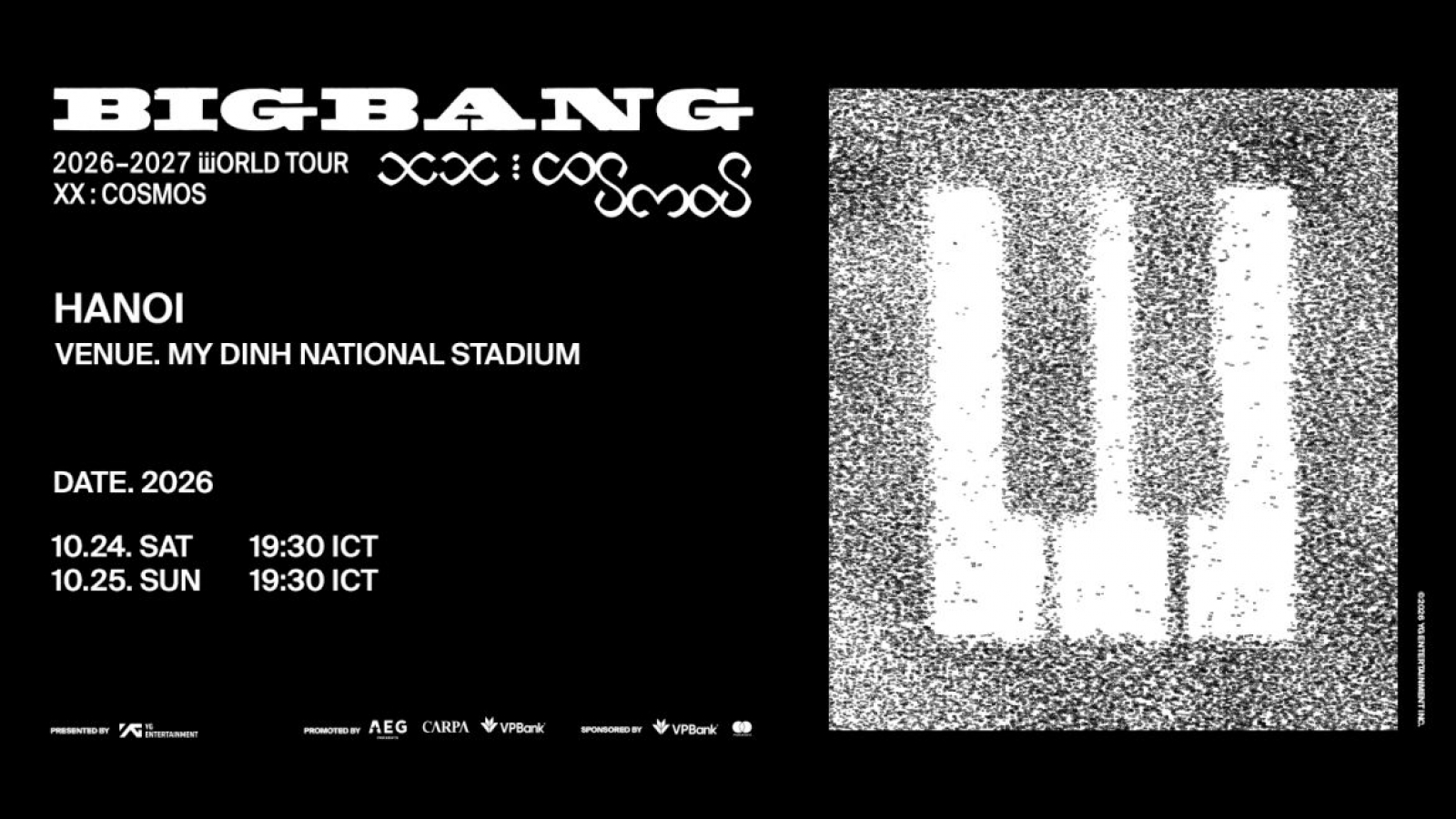
BIGBANG at 20: What Hanoi reveals about Vietnam’s K-pop market

VOV.VN - Nearly 90,000 spectators across two Hanoi concerts show how BIGBANG’s enduring appeal, rooted in nostalgia and multi-generational fandom, reflects Vietnam’s growing significance in the K-pop live music market.
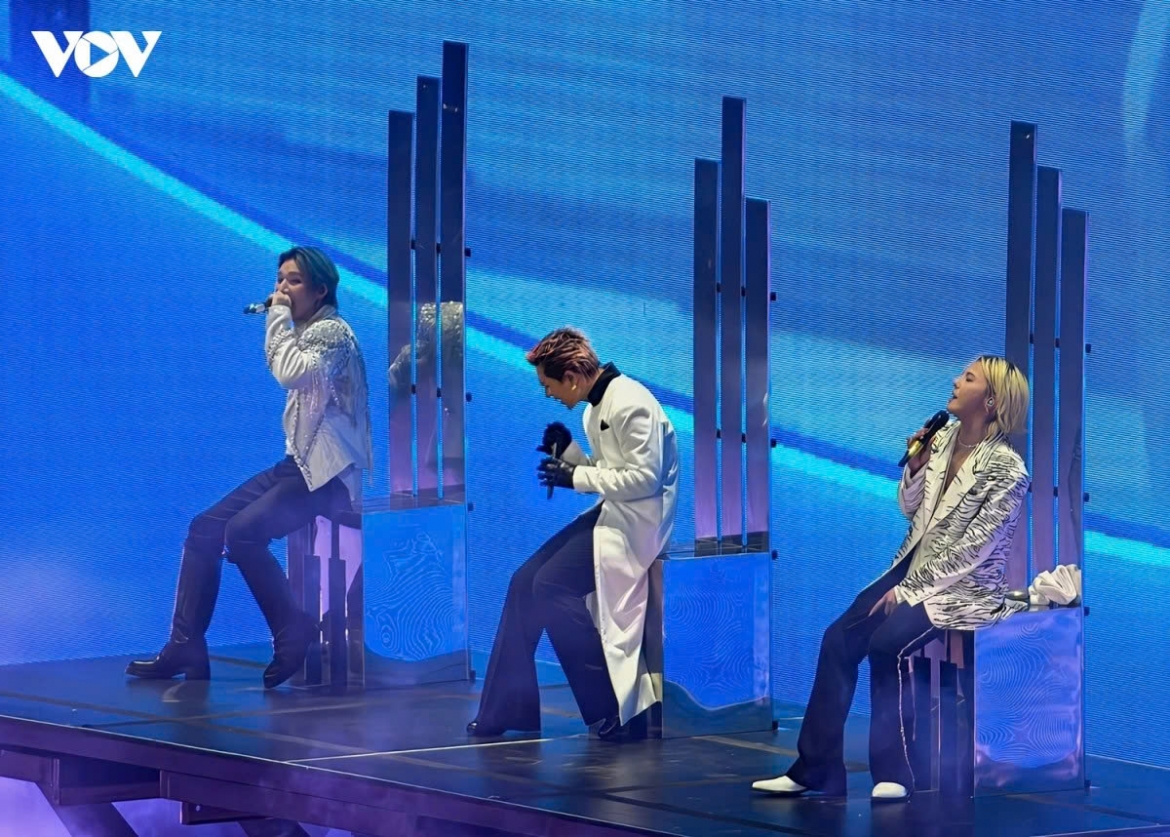
When BIGBANG performed at Hanoi’s My Dinh National Stadium on October 24 and 25, songs such as Haru Haru, Fantastic Baby and Bang Bang Bang brought back memories for fans who have followed the group since their debut in 2006. According to figures released by organisers, the two concerts attracted around 90,000 fans combined.
For many Vietnamese fans who grew up with second-generation K-pop, the performances offered more than a trip down memory lane. They presented an opportunity to reconnect with the music that accompanied their formative years, and to share that experience with a new generation of listeners.
Yet nostalgia alone cannot explain BIGBANG’s staying power. The group’s distinctive musical identity, energetic performances and members’ individual artistic careers have helped sustain its appeal. At a live concert, familiar songs become a collective experience, with thousands of fans singing along and turning personal memories into a shared cultural moment.
Vietnam’s rising profile in K-pop
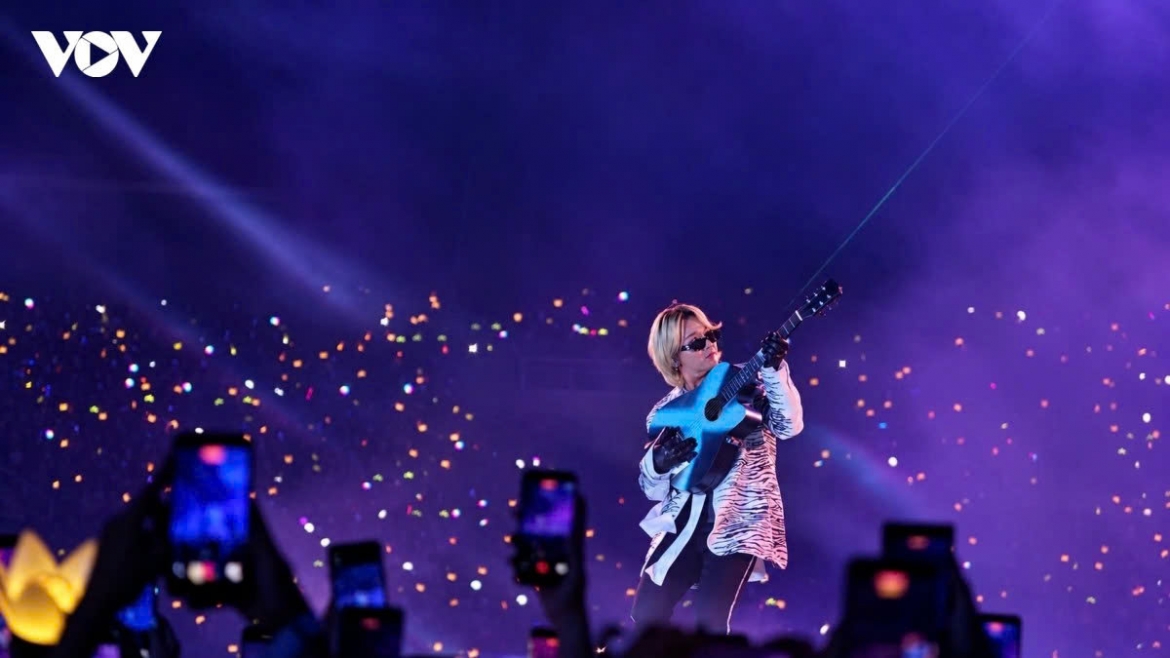
The concerts also reflect Vietnam’s growing importance as a destination for major K-pop acts. In an article published on October 26, The Chosun Daily of the Republic of Korea described Vietnam as an increasingly significant market for K-pop performances in Southeast Asia. The report highlighted the rapid sell-out of tickets, demand for official merchandise and the presence of fans from different generations.
The trend was already evident in 2025, when G-Dragon’s concerts in Vietnam attracted nearly 100,000 fans, according to a report by the Ministry of Culture, Sports and Tourism. Together, the G-Dragon and BIGBANG shows point to the drawing power of established K-pop artists in Vietnam, although sustained growth will depend on more than a handful of high-profile events.
The assessment reflects a broader trend. Major K-pop concerts in Vietnam have attracted substantial audiences in recent years, suggesting that demand extends beyond newer acts to established artists with long-standing fan bases. However, a handful of successful shows alone cannot establish Vietnam’s position across the regional market; sustained demand, professional event management and reliable long-term data will also matter.
The concerts’ impact extended beyond the stadium. Advance travel and accommodation bookings indicated strong demand around the event dates, while the Hanoi Tourism Association projected a potential increase in visitor numbers and tourism revenue. These figures should be treated as forecasts rather than confirmed post-event results, but they illustrate how major concerts can create opportunities for hospitality, transport and other local services.
Beyond global acts: the opportunity for Vietnamese music
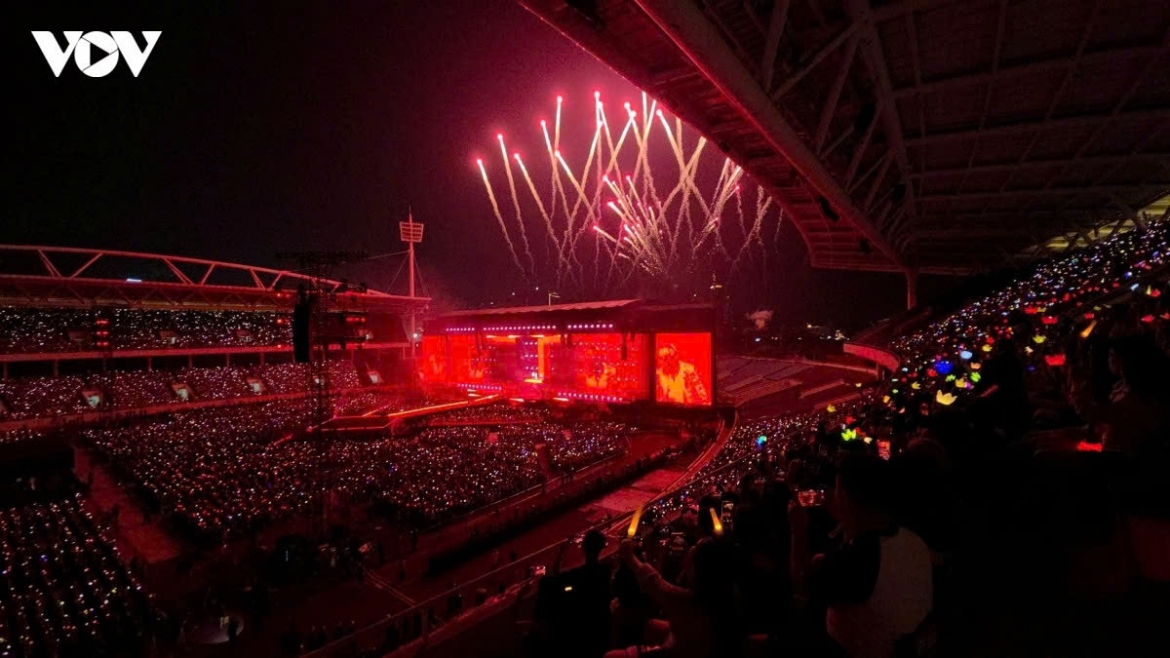
Vietnam’s live music industry is expanding alongside its appeal to international performers. RMIT University Vietnam’s Vietnam Music Landscape 2025–2026 report recorded more than 800 music events nationwide in 2025, reflecting growing demand for live cultural experiences.
For the domestic industry, the challenge is to turn this momentum into sustainable growth. International concerts can offer valuable lessons in production quality, audience engagement and fan community-building. Yet the long-term value of this expanding market will depend not only on how many global acts Vietnam attracts, but also on whether local artists and organisers can develop the capabilities to deliver compelling live experiences of their own.
That means investing in professional event management, developing sustainable business models and building lasting relationships between artists and audiences. It also means creating music that speaks to Vietnamese listeners without being confined to the domestic market. K-pop’s international success offers a useful point of comparison, but Vietnam’s opportunity lies in developing its own artistic identity rather than replicating another industry’s formula.
In this sense, BIGBANG’s Hanoi concerts represent more than the enduring appeal of a veteran K-pop group. Alongside the strong audience response to G-Dragon’s performances in Vietnam in 2025, they point to the market’s capacity to attract large audiences for established Korean artists. The broader question is whether that enthusiasm can help strengthen Vietnam’s live music ecosystem – creating more opportunities for domestic performers, raising production standards and enabling Vietnamese music to reach wider audiences.
Ultimately, the measure of a maturing music market is not simply its ability to host international stars, but its capacity to turn audience demand into lasting value for its own artists and creative industries.
BIGBANG fans nationwide bring concert fever to Hanoi
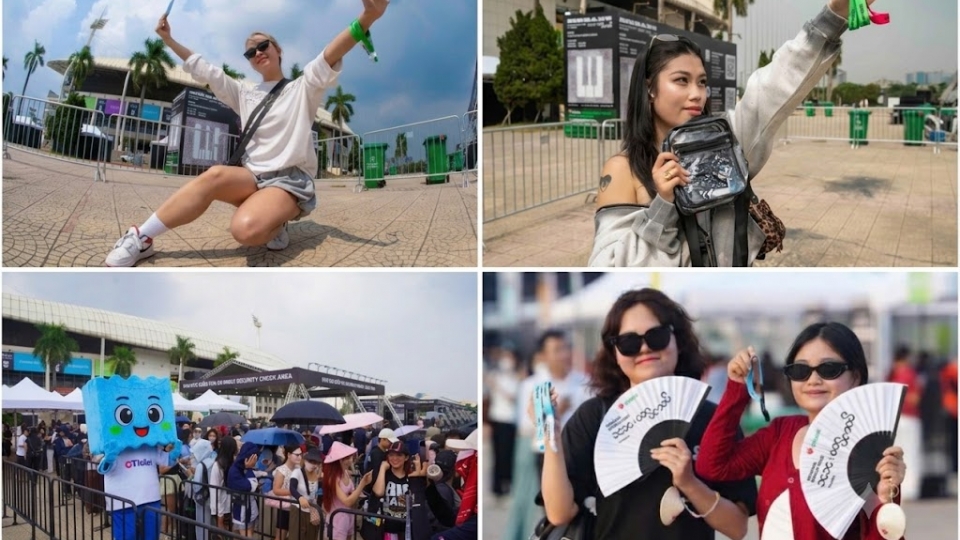
VOV.VN - Excitement is building among Vietnamese fans ahead of BIGBANG’s two concerts in Hanoi on October 24 and 25, with crowds gathering to collect wristbands, prepare their concert outfits and reunite with fellow fans ahead of the group’s long-awaited return to the stage.