

Vietnamnet
2149 newsArticles by author

iPhone X orders weak globally, but strong in Vietnam
IPhone X products are still selling like well in Vietnam, though international media report that poor sales because of its high price, about US$1,000.
More and more Vietnamese brands bought by foreign companies
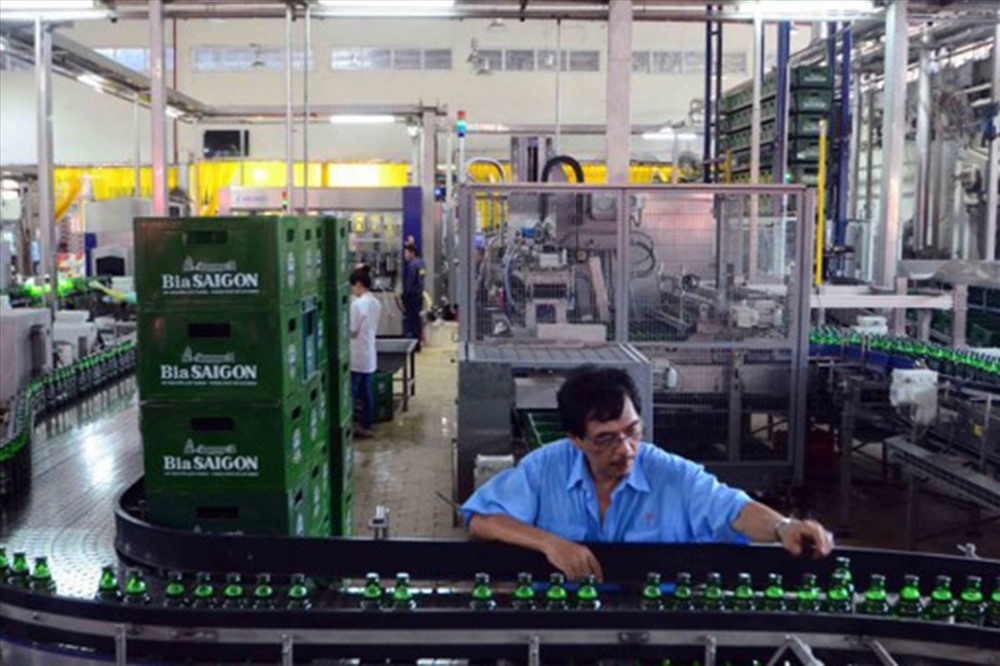
Many Vietnamese famous brands, one after another, are being bought by foreigners.
Investors conflicted about investing in condotels
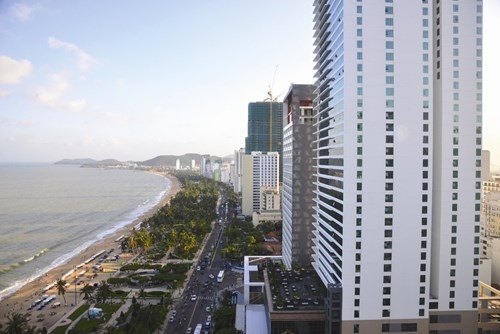
2017 was a discouraging year for investors who poured money into condotels. However, analysts believe that once legal problems are settled, investment in this type of property will be increasing rapidly.

Vietnam coffee imports on the rise
Vietnam, the second largest coffee exporter in the world, is importing more coffee as demand from restaurants, hotels and shops has increased.
2017: eventful year for Vietnam logistics sector
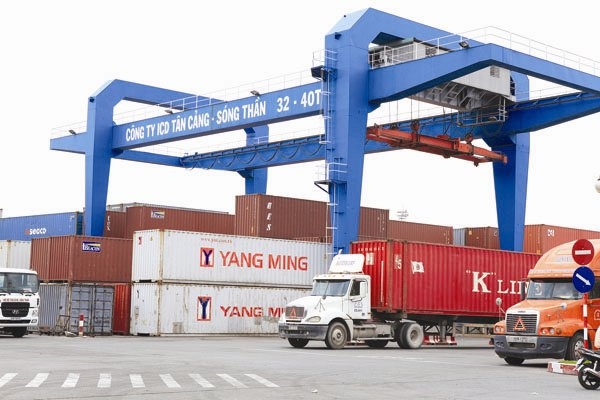
In February 2017, the PM signed Decision 200 approving an action plan to develop Vietnam’s logistics by 2025, a large-scale plan with 60 tasks assigned to relevant ministries, agencies, associations and businesses.

Vietnamese crazy about foreign brands
Fashion, fast food, beverage, cinema and retail brands have been opening more and more stores in Vietnam as the retail sector has seen fast growth in recent years.
Following Toyota and Honda, auto manufacturers halt imports
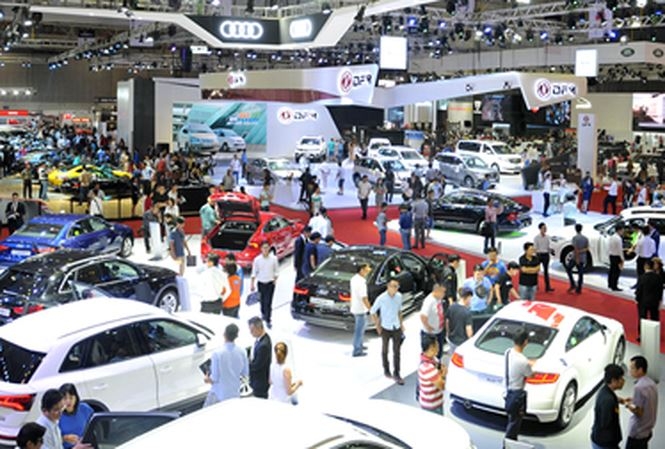
Car imports to Vietnam have dropped sharply in anticipation of Decree 116 which sets strict regulations for locally assembled automobile businesses as well as importers.
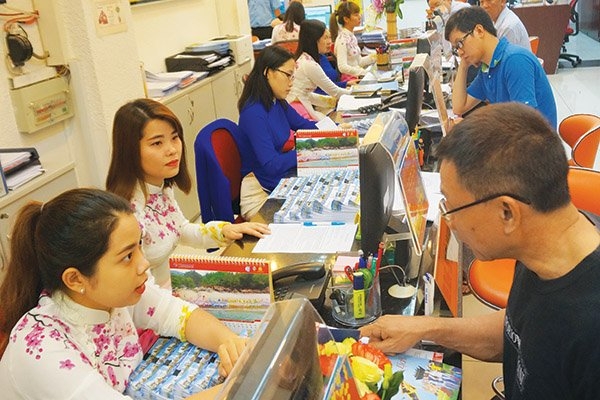
Vietnam gears up to develop a digital economy
The vigorous growth of the internet and technology in Vietnam is expected to provide a platform to support the development of a digital economy.

Regional retailers run fast, Vietnamese inch forward
While other regional countries have made big leaps in developing their retail industries, the achievements gained by Vietnam have been modest in the last 10 years since Vietnam joined the WTO.
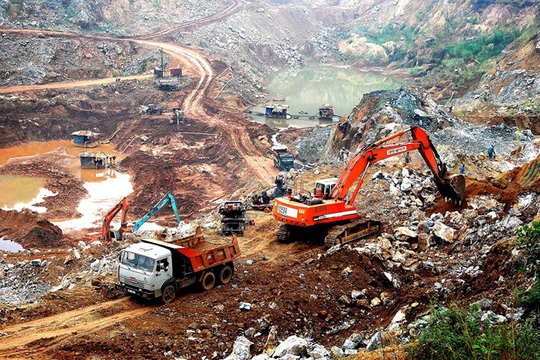
Minerals exported dirt-cheap to China
China buys 85% of Vietnam’s total mineral exports, but the price of exports to the market is 60% of the average export price.