

Vietnamnet
2149 newsArticles by author
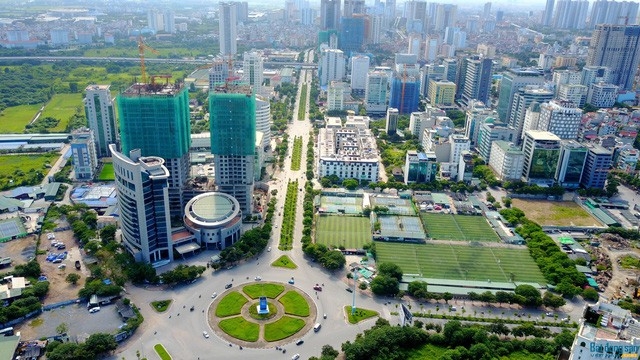
Experts divided on Vietnam’s real estate market
While some experts warn that a real estate bubble could occur in 2019, others believe there is no need to worry.
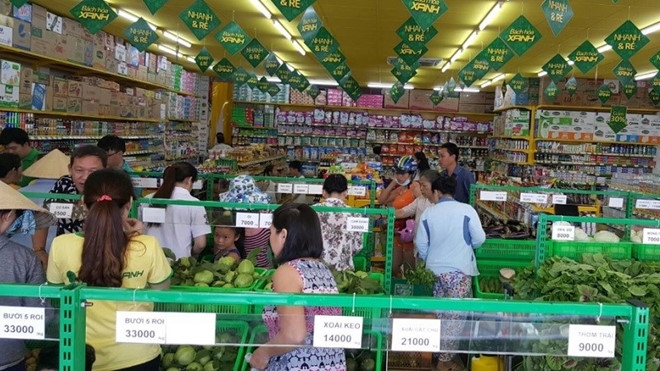
Many convenience stores shut down as market is too harsh
More foreign retailers have flocked to Vietnam as they believe the market is promising. But many retailers have had to leave because of stiff competition.
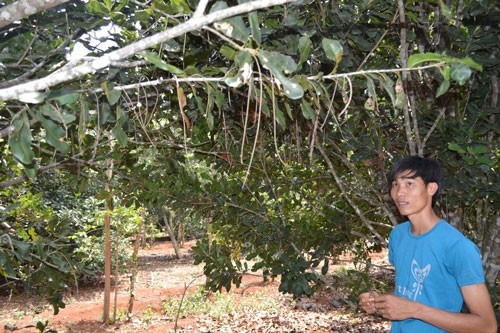
Farmers anxious about future yield of macadamia nut production
Central Highlands’ some years ago rushed to grow macadamia trees after hearing about huge profits the plant could bring, though they did not know if the plant could thrive in the local soil and climate conditions.

E-commerce sees big players join market
More money has been injected into the e-commerce market, while leading e-commerce firms have expanded.
How will Vietnam deal with a 10-year crisis cycle?
Vietnam will have solutions to restrict the effects of any future global economic downturn, according to General Statistics Office’s director Nguyen Bich Lam.

Vietnam to become Korean car part production center
Vietnam’s policy on tightening control over import and decreased domestic consumption as well as exports in the Republic of Korea (RoK) have prompted Korean investors to set their car part production bases in Vietnam.

In shipping market, technology determines success
The strong rise of online sales has brought great opportunities to the transport industry, especially light cargo transport.
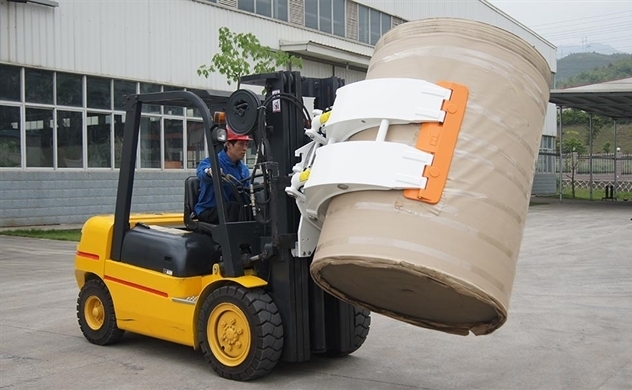
Paper manufacturers encounter difficulties, lack capital to expand
Most Vietnamese paper plants have a capacity of less than 10,000 tons per annum, while foreign plants’ capacity is 50 times higher.

Investors gear up for children’s product market
Retail chains specializing in products for mothers and children now have to compete with private shops and vendors, whose low cost is a great advantage.
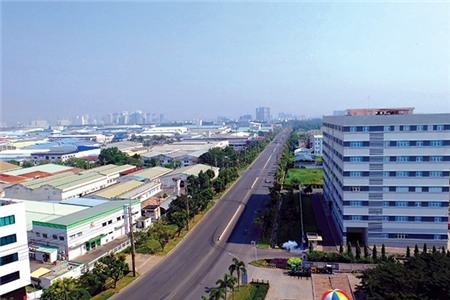
Real estate firms see great opportunities in FDI wave
Industrial real estate developers are using “clean land” funds and building workshops for lease in anticipation of a wave of foreign investors relocating to Vietnam.