Vietnam and Pakistan explore new opportunities for tourism cooperation

VOV.VN - Vietnam and Pakistan see significant potential for tourism cooperation, but turning that potential into actual visitor flows will require progress on visas, destination information, Halal services and air connectivity.
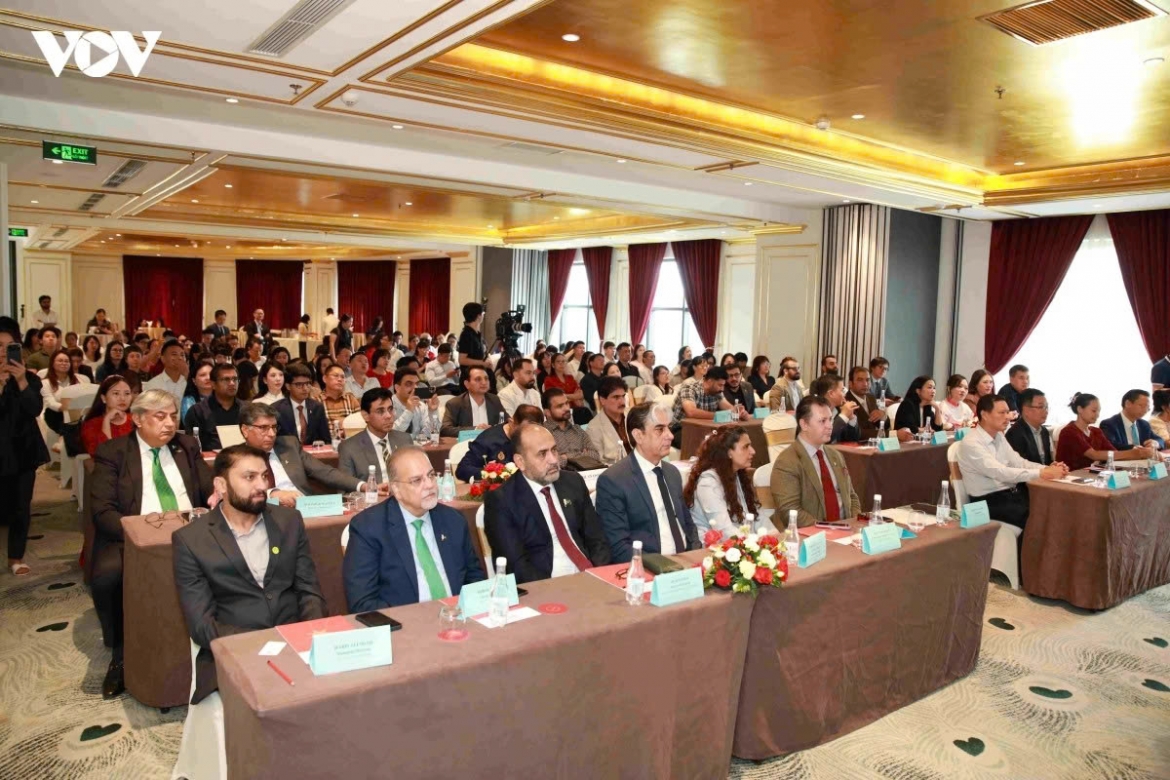
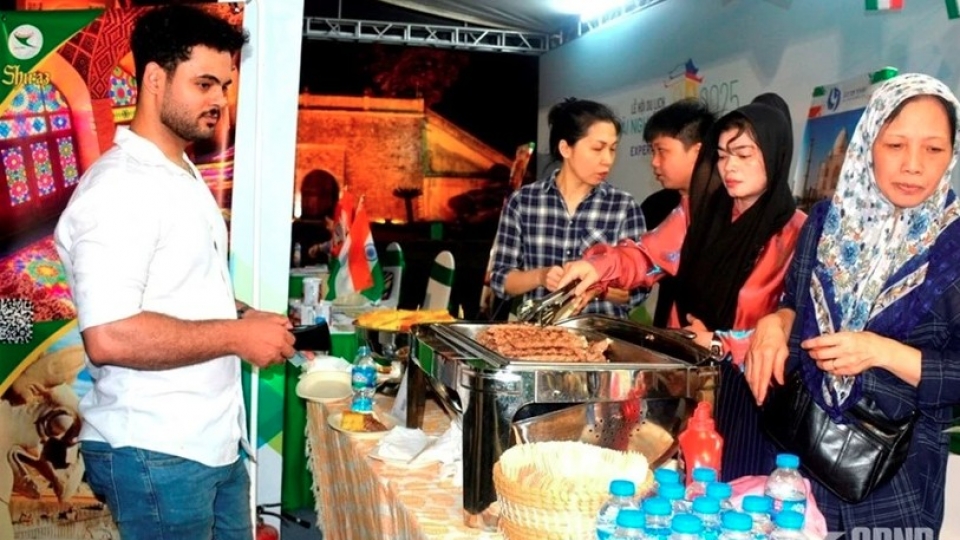
The view was shared by experts and tour operators at the Vietnam-Pakistan Tourism B2B Matching and Business Networking held in Hanoi on September 22 that brought together 120 tourism companies from the two countries, along with representatives of management agencies, associations and airlines.
Significant room for growth
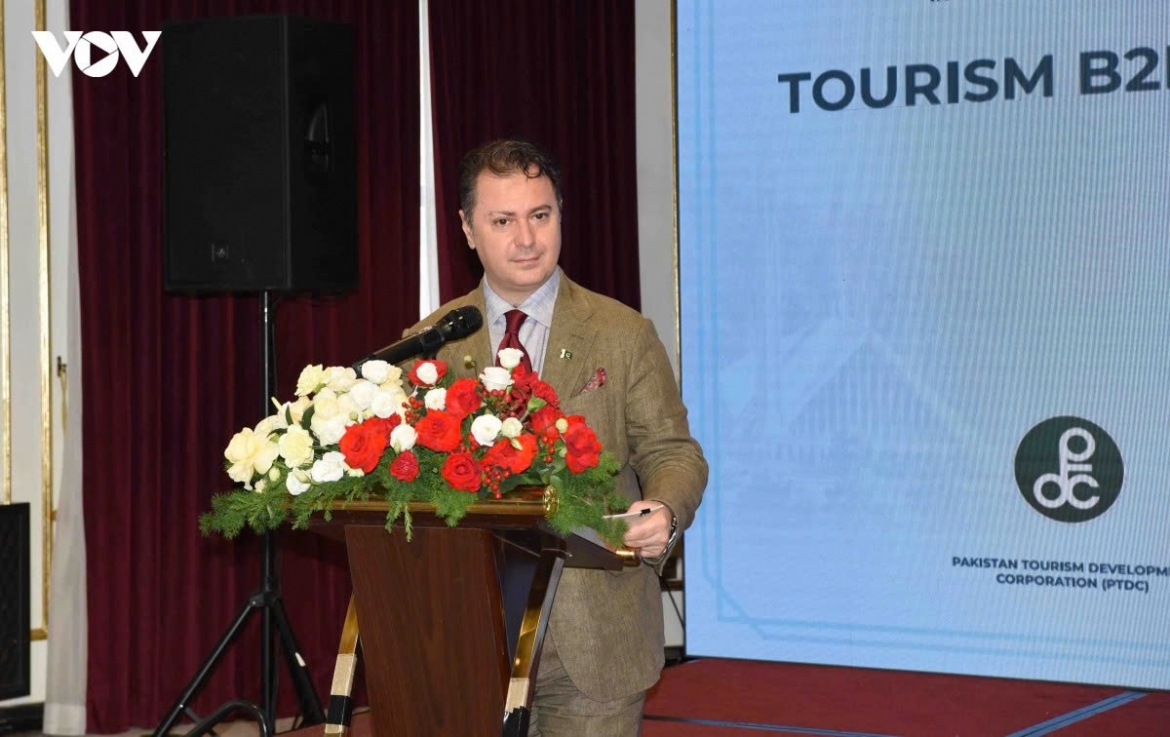
Speaking at the forum, Pakistani Ambassador to Vietnam Kohdayar Marri agreed there is considerable tourism potential between the two countries, as both Vietnam and Pakistan have markets that remain underdeveloped.
Pakistan offers a wide range of tourism experiences, from mountain exploration, mountaineering and adventure tourism to coastal destinations. Vietnam also has similar products, but in different landscapes and settings. According to the ambassador, differences in scenery, culture and experiences could give travellers from both countries more reasons to explore each other’s destinations.
However, turning interest into actual visitor numbers will require several barriers to be addressed. The ambassador noted that information about Pakistan as a destination is limited in Vietnam and should be strengthened through promotional activities, online conferences with travel companies, and greater encouragement for bloggers, vloggers and other content creators to share first-hand experiences of Pakistan.
For its part, Vietnam needs to improve visa accessibility, air connectivity and services tailored to Muslim travellers to attract more visitors from Pakistan.
The diplomat noted that the lack of direct flights and the need to transit through several aviation hubs make travel to Vietnam time-consuming, potentially affecting tourists’ decisions.
One area highlighted by the Pakistani side is the development of products suited to Muslim travellers, including Halal food and prayer facilities at accommodation and service establishments.
Faiza Shafqat, head of the commerce section at the Embassy of Pakistan in Vietnam, pointed out this could also help differentiate Vietnam’s tourism products. In her analysis, Muslim travellers often pay attention to Halal food, prayer areas and services that accommodate their religious needs. Developing Halal kitchens and prayer facilities, and clearly promoting the availability of such services, would help Vietnam better access the Muslim tourism market.
Pakistan, meanwhile, could offer new products for Vietnamese visitors. According to the official, the country has numerous heritage sites associated with Buddhist history, with Taxila among the destinations that have attracted interest from some Vietnamese businesses attending international exhibitions in Pakistan.
From Pakistani visitors to the wider Halal market
From the Vietnamese business perspective, Truong Quoc Hung, chairman of the Hanoi UNESCO Travel Club (HUTC), said accessing the Pakistani market could also help Vietnam build its capacity to serve the wider Muslim tourism market.
The issue is not simply about attracting Pakistani visitors, but also about developing a service system suitable for Halal travellers, he noted. Malaysia, Thailand and China have already developed their capacity to receive Muslim visitors, while Vietnam needs further investment if it wants to tap into this segment.
Food is one of the areas requiring attention. Businesses need to provide suitable dishes while also ensuring proper processes, staff training, Halal certification and prayer facilities at service establishments.
Hung suggested that Vietnamese businesses should strengthen cooperation and participate in trade fairs and promotional activities in the markets they seek to attract. Investment in Halal services should also target multiple Muslim markets rather than serving only one country, helping improve investment efficiency and sustain operations over the long term.
On the other hand, Pakistan is beginning to attract interest from Vietnamese travellers through tailor-made tours focusing on landscapes, scenic destinations and historical sites. According to Hung, two-way visitor exchanges could also help balance airline capacity and create a stronger basis for developing connectivity between the two countries.
Sharing his view, Nguyen Thanh An, director of Ohdear Travel Company, said Vietnam-Pakistan cooperation could extend beyond tourism to trade and people-to-people exchanges.
Awareness of the two countries and their people is limited in each other’s markets, he pointed out. Tourism could therefore serve as an initial “gateway” for people and businesses from the two countries to learn more about each other before expanding into trade and broader economic exchanges.
According to him, many Pakistani businesses taking part in the programme showed interest in Vietnamese destinations, including Ha Long Bay. In the opposite direction, Vietnam could explore destinations such as the Hunza Valley and tourism products linked to Buddhist heritage in Pakistan.
Although air connectivity is considered an important condition for expanding visitor exchanges, businesses said connectivity needs to develop alongside actual market demand.
Vietnamese and Pakistani airlines are currently discussing two-way passenger demand, the possibility of operating charter flights and potential connectivity options in the future. However, cooperation will still depend on the level of interest and passenger flows between the two countries.
For now, the parties agreed that the priority should be developing tour products, expanding FAM trips, building up visitor demand and gradually demonstrating the strength of the market. Once visitor numbers become sufficiently stable, charter flights could be considered before moving towards regular services, subject to commercial and legal requirements.
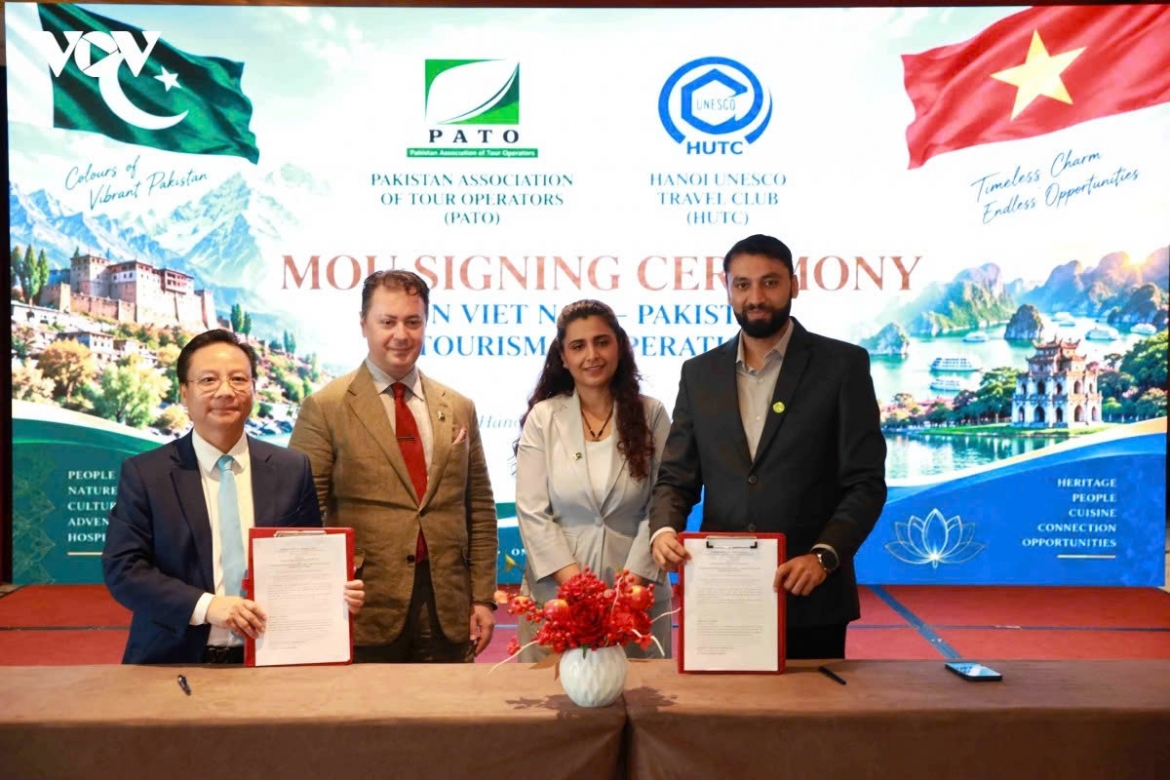
A number of memorandums of understanding on aviation services, tourism and market development were signed at the event.
Hanoi gets ready for Halal tourists
The global Halal tourism sector is a billion-dollar opportunity, an emerging market brimming with untapped potential. As one of Vietnam’s leading tourism destinations, Hanoi is wasting no time in tapping into this growing space.