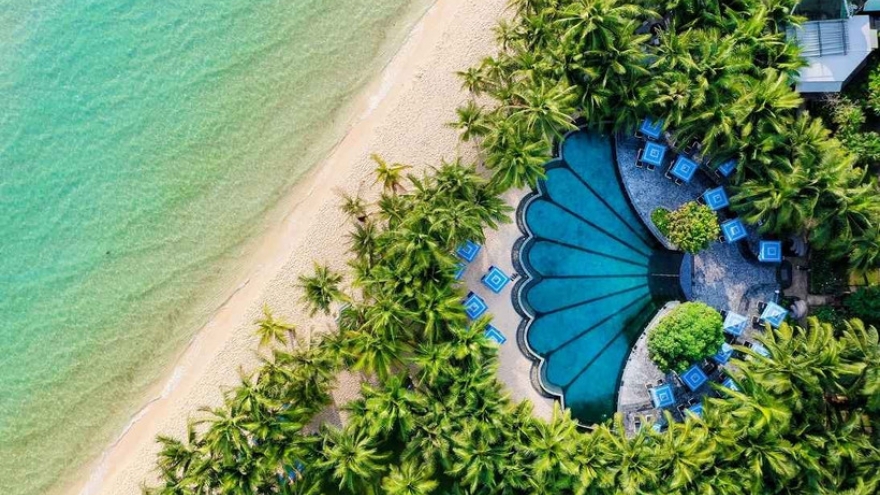
UK newspaper praises Phu Quoc’s unspoilt charm amid tourism boom

Long associated with Phuket and Bali, Southeast Asia’s tropical island getaways are seeing a shift as The Independent highlights Phu Quoc, Vietnam’s largest island, as an increasingly appealing alternative for British travellers seeking more authentic and unspoilt experiences.
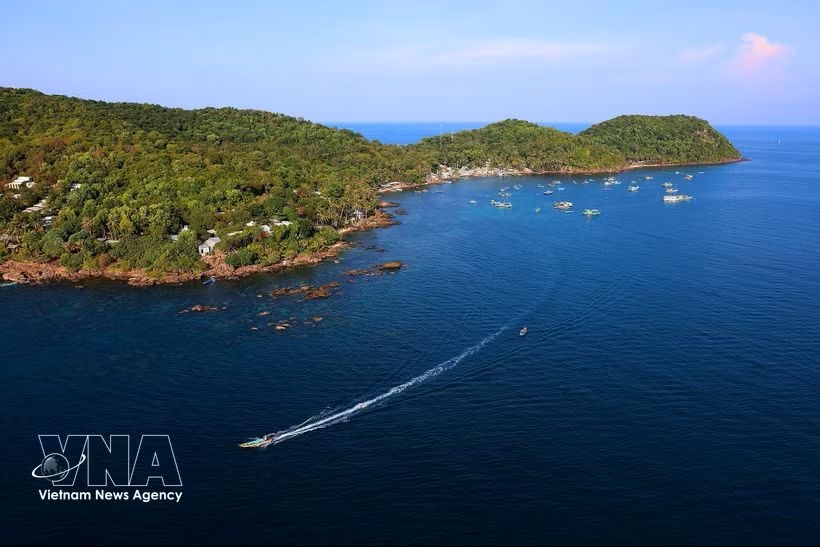
The article “This Vietnamese alternative to Phuket is a haven for island-hoppers” by travel writer Siobhan Grogan vividly captures everyday life on the island. Describing a midday scene at Duong Dong central market, she notes: “It’s lunchtime in Duong Dong’s main market and there’s not another tourist in sight… Tables are laden with fresh cuttlefish and sea urchins, hauled off the boats that dock just behind the market.”
Such imagery offers British readers - often accustomed to heavily commercialised tourist markets – a refreshing glimpse into a more local, unfiltered way of life.
The article also reflects the island’s rapid development. Just a short distance away from the traditional market, Grogan observes a contrasting scene: “The town’s much-tidier night market is opening up for an influx of tourists… Streets are hung with silk lanterns and fairy lights; locally grown fruits can be whizzed into smoothies or drizzled with chocolate while you wait.”
This juxtaposition highlights an island in transition, gradually integrating into global tourism flows while retaining its distinctive charm and identity.
Beyond its white-sand beaches, Phu Quoc stands out for its rich natural environment. The island is described as “more than half… covered in tropical jungle, designated as a World Biosphere Reserve by UNESCO,” offering diverse experiences that particularly appeal to nature-loving travellers.
One reason behind Phu Quoc’s growing popularity is Vietnam’s increasingly open tourism policy. Citing data, the article notes that British visitors to the country overall have already increased 20% in 2025 in part because of new rules allowing visa-free entry for up to 45 days.
The island is now being positioned as a strategic tourism hub. Infrastructure upgrades are underway, including the expansion of its international airport and the construction of an international ferry terminal, alongside a wave of high-end resort developments. At the same time, the article underscores the importance of balancing growth with preservation of local identity and nature.
Indeed, despite rapid development, much of Phu Quoc’s natural landscape remains intact. Grogan writes that “the vast majority of Phu Quoc’s jungle, farms and beaches are still overlooked,” allowing visitors to experience quieter, less crowded parts of the island.
The piece closes on a reflective note, as the author recounts dining on fresh seafood at sunset while observing fishing boats lighting up across the bay. “Traditional island life continues as it always has, no matter what changes shape Phu Quoc in future,” she writes.
More than just a destination review, the article evokes a sense of nostalgia and tranquillity, positioning Phu Quoc as a compelling alternative – even a potential rival to Phuket – for travellers seeking authenticity in Southeast Asia. Its appeal lies not only in scenic beauty and fresh seafood, but also in the harmonious coexistence of modern tourism and enduring local culture.
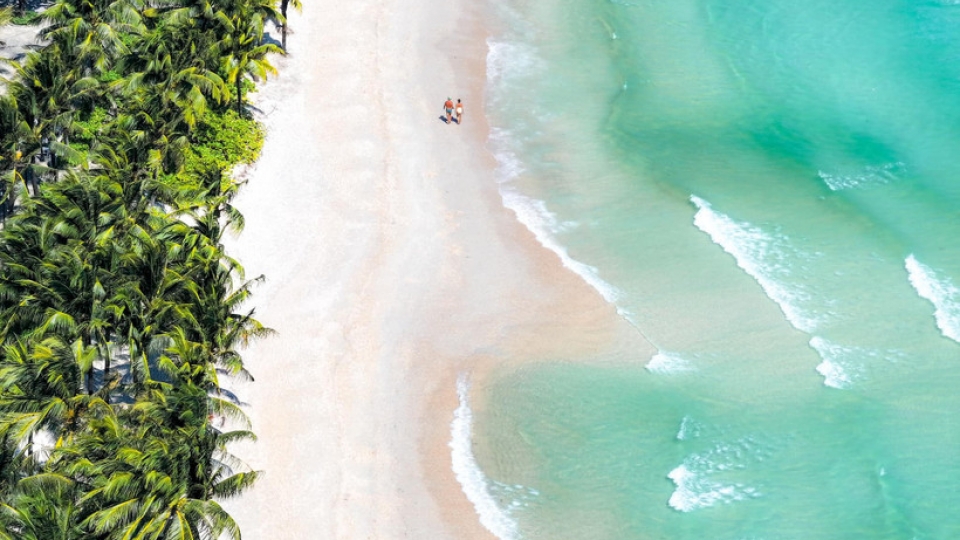
US media explains why Phu Quoc is becoming a tourism phenomenon
The prestigious magazine Travel + Leisure recently dedicated an article to analyzing the allure of Phu Quoc, aka the "Pearl Island", asserting that it is entering a "golden era" - a moment where all elements converge to transform it from a potential destination into the region’s new resort hub.