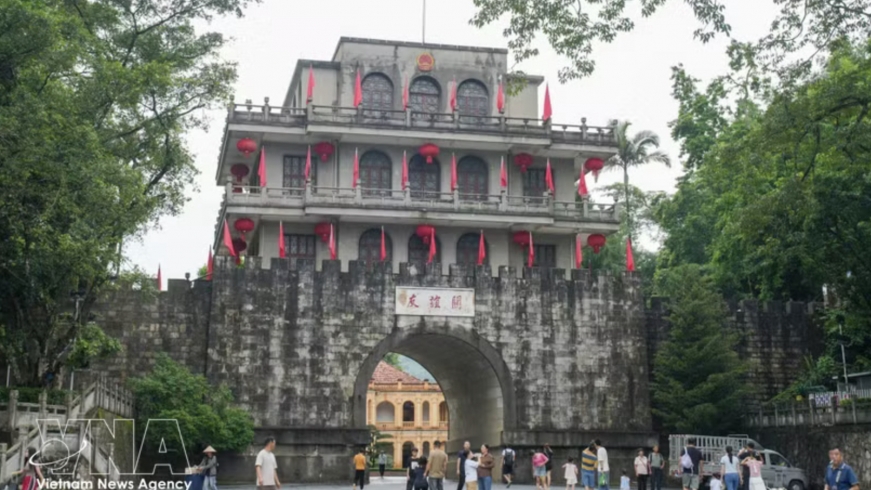
Regional connectivity creates fresh momentum for Vietnam’s tourism growth

The tourism cooperation between Ho Chi Minh City and expanded northwestern provinces is seen as an important step toward sustainable tourism growth and enhancing Vietnam’s tourism brand in the international market.

Entering the 2026–2030 period, Vietnam’s tourism industry is undergoing a strong transformation in line with the Government’s Resolution No. 82/NQ-CP and the national tourism system master plan for 2021–2030, with a vision to 2045. The focus is shifting from extensive growth to quality-oriented development, with green economy and cultural experiences placed at the centre of tourism strategies.
Deputy Director General of the Vietnam National Authority of Tourism (VNAT) Ha Van Sieu said today's travellers seek not only relaxation, but also opportunities to experience local culture, explore community life, and discover authentic, green and distinctive values.
Against this backdrop, the newly launched tourism cooperation programme between Ho Chi Minh City and the expanded northwestern provinces for 2026–2030 demonstrates the determination of localities to strengthen regional connectivity and create new driving forces for sustainable tourism development.
Under the programme, the eight provinces of the expanded northwest region, namely Son La, Dien Bien, Tuyen Quang, Phu Tho, Lai Chau, Lao Cai, Lang Son and Thai Nguyen, together with Ho Chi Minh City agreed to cooperate in tourism management, product development, digital transformation, investment promotion and human resources training.
The cooperation is based on principles of equality, mutual support and shared development, while encouraging localities to maximise their own strengths and creative initiatives.
The programme aims to increase two-way tourist flows between Ho Chi Minh City and the northwestern provinces while promoting sustainable tourism growth and coordinated development planning.
Participating localities are expected to diversify tourism products, develop inter-regional tour routes and jointly promote destinations in both domestic and international markets. The partnership also seeks to build safe and visitor-friendly tourism chains featuring the distinctive cultural identities of each locality.
At the same time, the cooperation is expected to attract social resources and create favourable conditions for businesses to seek investment opportunities and develop tourism products.
For Ho Chi Minh City, the expanded northwest region is one of six key tourism cooperation areas, alongside the northeast, the north-central region, the central key economic zone, the southeast region and the Mekong Delta.
According to Sieu, the latest agreement marks not only a continuation of earlier cooperation but also a transition to a more substantive and professional phase.
He stressed that localities should adopt a new mindset by creating a shared tourism development space with common products, brands, markets, databases and coordination mechanisms.The VNAT has urged localities to move from event-based cooperation to value-chain connectivity, focusing on building competitive inter-regional tourism products associated with the shared brand of the expanded northwest region.
The tourism official also highlighted Ho Chi Minh City’s strategic role as the country’s leading hub for tourist distribution, travel businesses, communications, investment and international connectivity.
“The combination of Ho Chi Minh City’s market strength and the rich cultural and natural resources of the eight northwestern provinces will create a comprehensive tourism ecosystem, generating economic value while promoting the diverse beauty of Vietnam,” Sieu said.
He added that digital transformation should become a key tool for improving tourism management and promotion, while greater attention should be paid to improving human resources, service quality and public-private partnerships, with businesses placed at the centre of development efforts.
During the 2021–2025 period, tourism cooperation between Ho Chi Minh City and the eight northwestern provinces produced positive results. In 2025 alone, destinations participating in the programme welcomed around 90 million visitors, including approximately 37 million arrivals to the expanded northwest region.
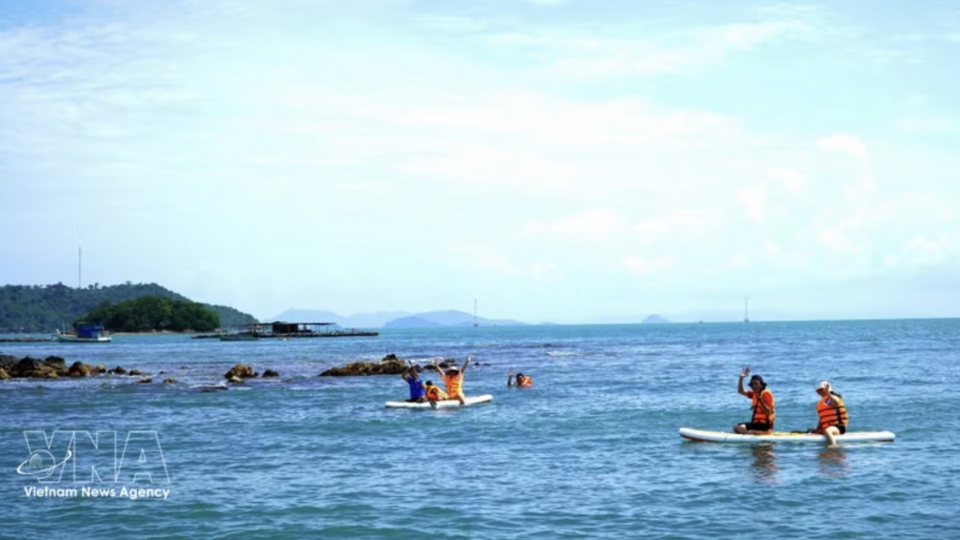
Slow travel increases connections, reshapes tourism trends
As modern life grows increasingly fast-paced, travellers are seeking journeys that offer deeper meaning and more authentic experiences.