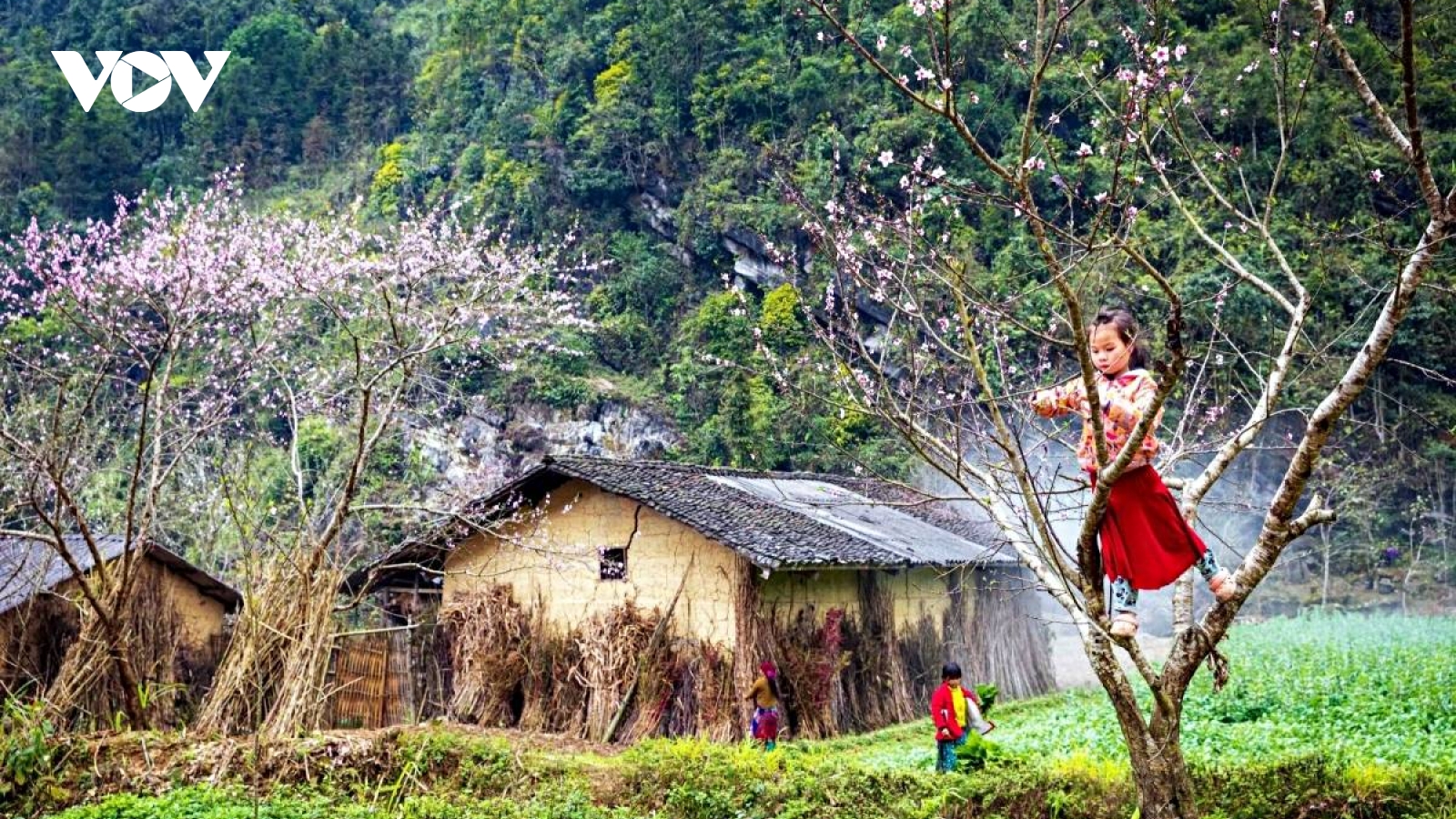
Dong Van transforms advantages into smart tourism

Amid the solemn mountain ranges of the Dong Van Karst Plateau Global Geopark, Dong Van commune (Tuyen Quang province) is undergoing a distinctive transformation by weaving digital technology into the fabric of tourism.
The story does not begin with large-scale infrastructure, but with small QR codes placed at tourist sites, homestays and eateries tucked along the ancient quarter. From these modest starting points, Dong Van is opening a new journey, where each scan by visitors is not only a marker on their travel map but also a stream of live data helping the highland region step into the era of smart tourism.
Smart tourism – a new impetus
Nguyen Kim Ngan, a visitor from Ho Chi Minh City, shared her excitement at experiencing smart check-in services in a mountainous area. With just a quick scan, visitors can access recommendations on dining, accommodation and activities suited to the day’s weather. The convenience, she noted, comes without diluting Dong Van’s unique character.
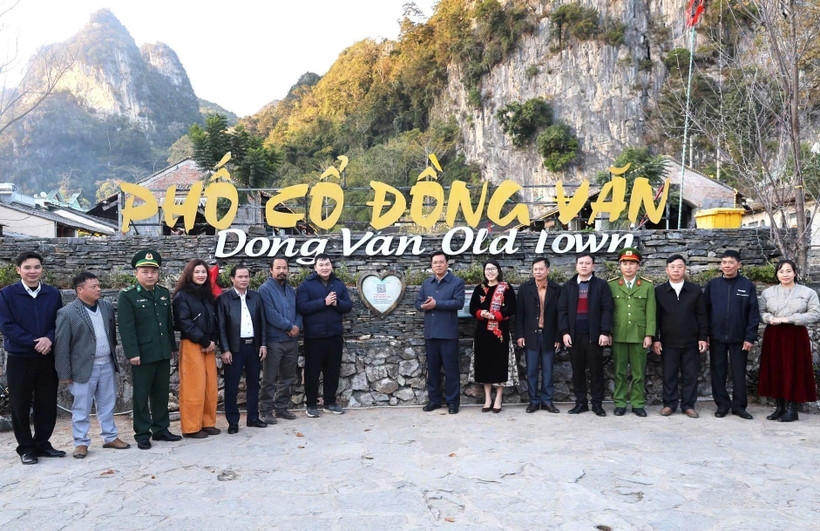
A single scan allows visitors to record their journey from the Dong Van Old Quarter and the Vuong family mansion to Lo Lo Chai village and the Lung Cu Flag Tower. Beyond convenience, the system encourages deeper and broader exploration, helping travellers avoid missing the hidden beauty of the rocky highlands.
Pham Duc Nam, Chairman of the Dong Van communal People’s Committee, said tourism digitalisation not only refreshes visitor experiences but, more importantly, generates valuable data. From this data, the locality can identify where visitors spend the most time, which services are preferred and which sites require further investment. This provides a solid foundation for building a sustainable tourism strategy aligned with the conservation and development ethos of the Global Geopark.
According to Nam, Dong Van is moving towards a data-driven tourism model, where visitors, service providers and destinations are linked within an “open ecosystem”. Each check-in generates information that helps authorities better coordinate services, ease pressure on crowded sites and protect heritage landscapes.
Community engagement
Ma Hoang Son, Vice Chairman of the Dong Van Tourism Association and one of the designers and operators of the model, said the primary goal is not to create a complex system but to minimise technological barriers for visitors. Anyone coming to Dong Van should be able to begin their journey with a single touch, no app installation, no complicated procedures, just a QR scan that automatically records steps taken, suggests destinations and creates a seamless experience.
He added that the points system is designed as a simple game to encourage deeper exploration. Visitors seeking a relaxed experience can choose five-point sites, while those looking for more challenge can head to 20- or 30-point locations. This “gamification” turns travel into a treasure hunt, with each check-in generating fresh motivation to explore.
At the community level, the model brings tangible benefits. When visitors use dining, accommodation and experience services provided by association members, they earn points faster, creating more opportunities for local households to increase income.
A key feature of the system is real-time data, enabling the tourism association and local authorities to monitor visitor flows by hour and by day, track consumption trends and identify potential overcrowding risks. This forms the basis for sustainable tourism development, preserving the area’s distinctive karst landscape while ensuring visitors enjoy comfortable experiences consistent with the philosophy of the Dong Van Karst Plateau Global Geopark.
Technology paving the way
In Dong Van, the beauty of karst formations formed hundreds of millions of years ago remains the soul of the journey. Yet with technology in place, visitors can engage with the heritage more deeply, following personalised suggestions rather than conventional routes.
Digital tools help distribute visitor flows, preventing excessive concentration at single sites. Travellers can be guided to areas with suitable capacity, such as Sang Tung valley, Lo Lo Chai village or flower-lined routes around the township. This is particularly significant given UNESCO’s warnings about tourism pressure on the stone heritage.
Pham Duc Nam affirmed that the commune aims to build a new-generation Dong Van, dynamic and modern while preserving its identity. Technology, he stressed, is merely a tool; the most important elements remain the people, culture and heritage of this land.
The Mong legacy of linen weaving on Dong Van Karst Plateau
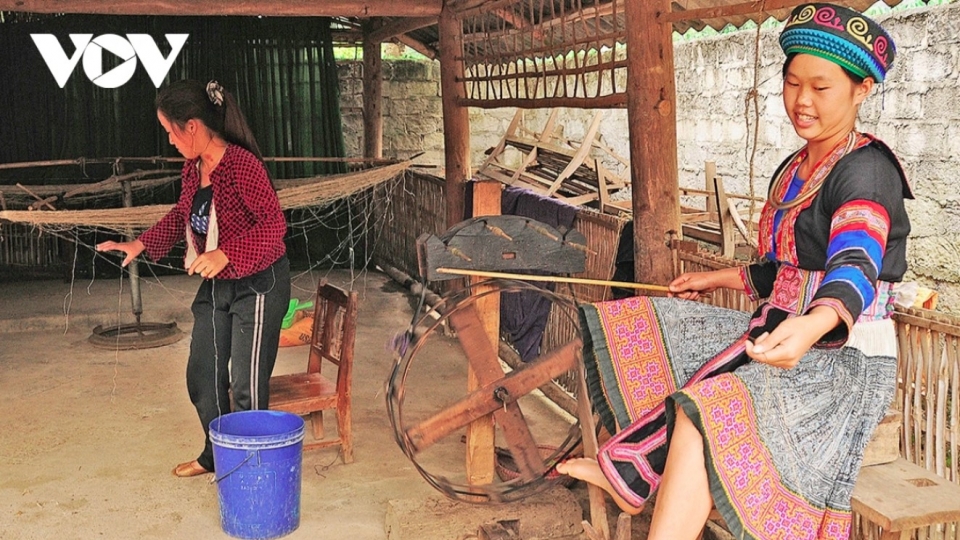
VOV.VN - Lung Tam, a village nestled among misty rocky peaks and shrouded in clouds year-round on the Dong Van Karst Plateau in Ha Giang province, is renowned for its age-old tradition of brocade weaving of the Mong ethnic community.