
Tag: seaport
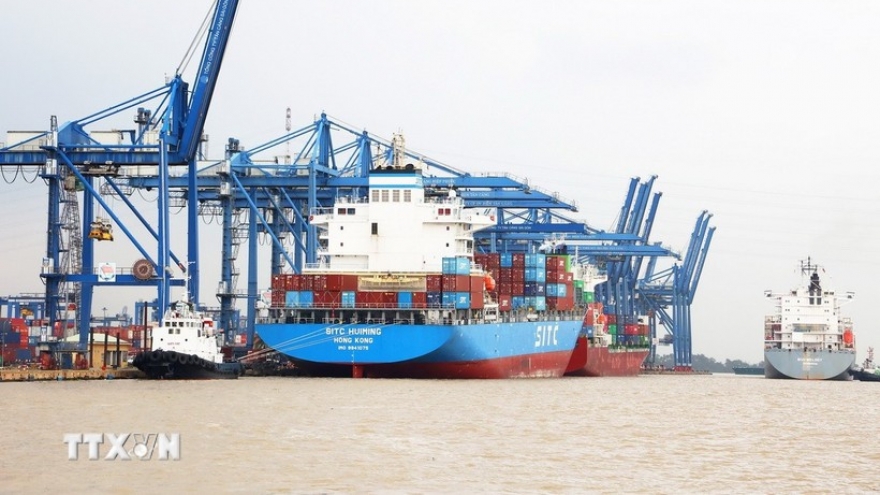
Vietnam, Italy’s northwestern region seek to push supply chain connectivity
Vietnamese representatives participated in a forum held in the northern Italian port city of Genoa on December 1–2 to spotlight emerging opportunities for supply chain development between Asia and Europe against the backdrop of shifting global geopolitics, the rise of new economies, and the impact of US tariffs.
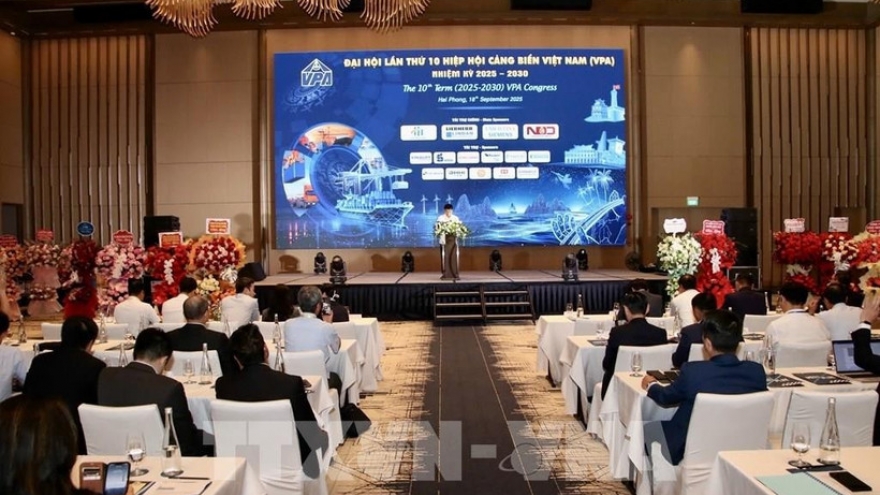
Vietnam’s seaport system – A vital link in global supply chains
The 10th Congress of the Vietnam Seaports Association (VPA) for the 2025–2030 tenure was held in Hai Phong on September 18, setting priorities for the development of modern and sustainable seaports driven by technology and digital transformation to strengthen competitiveness and contribute to national economic growth.
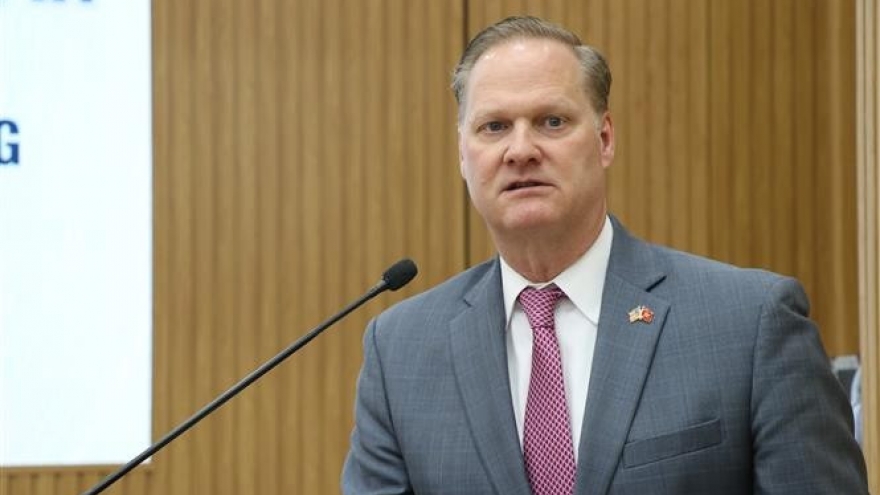
Hai Phong port looks to global trends with strategic development plan
International and domestic experts, policymakers and businesses convened in Hai Phong for a two-day forum to exchange experience and discuss strategic solutions to boost competitiveness and modernise the city’s seaport system.
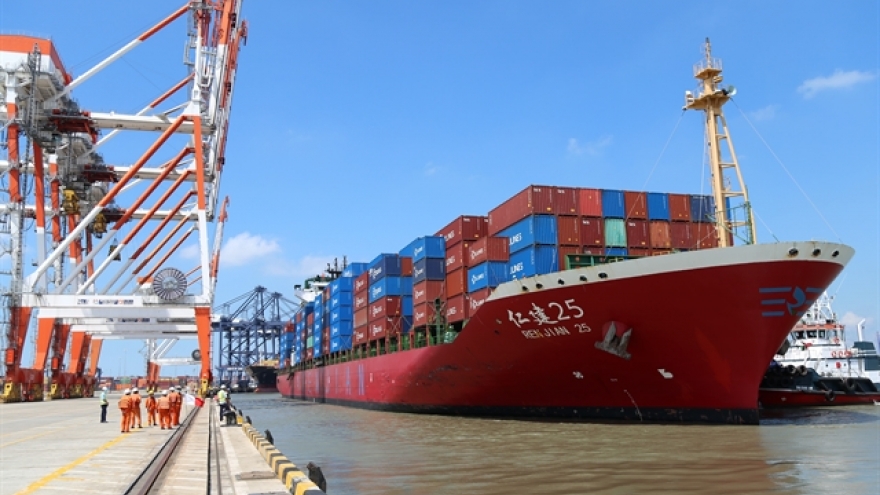
Volume of goods through seaports increased during US tariff pause
There's been a surge at Vietnamese container ports as businesses speed up deliveries during the 90-day pause on US reciprocal tariffs.

Discussion underway for Vietnam’s first FTZ in Ba Ria-Vung Tau
Southern Ba Ria-Vung Tau province and global logistics leader DP World signed a memorandum of understanding (MoU) on February 18 to conduct discussion for cooperation in establishing Vietnam’s first free trade zone (FTZ) in the vicinity of Cai Mep Ha seaport.
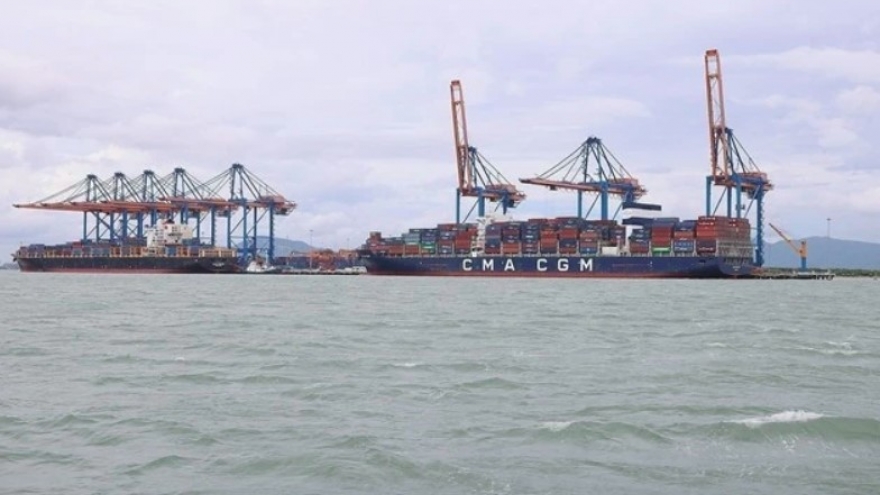
Vietnam's seaports need investment to enhance competitiveness
Vietnam should prioritise investment in seaport infrastructure and the development of its fleet to boost its competitiveness in the global maritime market, according to the Vietnam Maritime Corporation (VIMC).
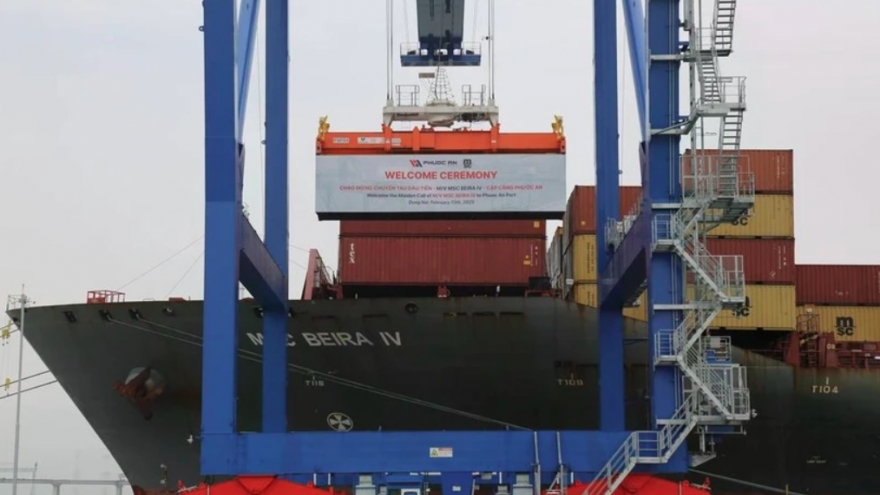
Dong Nai’s largest seaport welcomes first vessel
Ship M/V MSC BEIRA IV, operated by the world's largest shipping line MSC, arrived at Phuoc An Port in Nhon Trach district, southern Dong Nai province, on February 13, marking the first vessel arrival at this seaport.
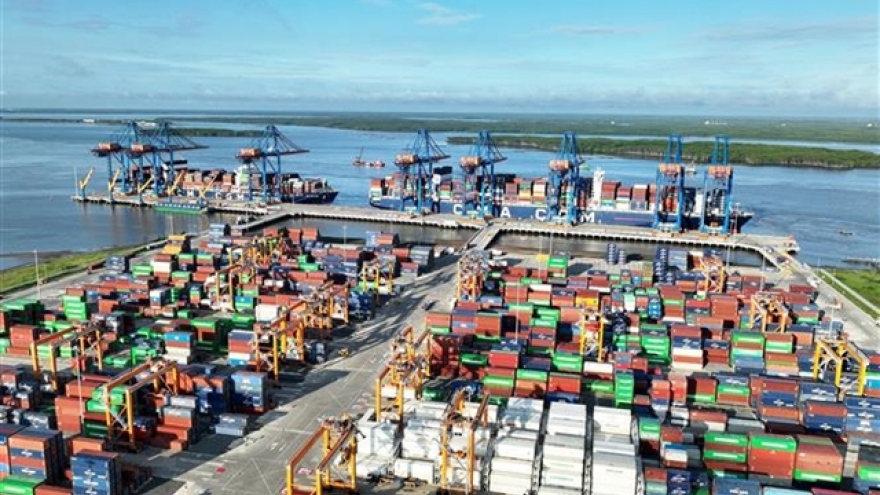
Sea freight rates cool, port volumes break records
The Vietnam Maritime Administration (VMA) said that sea freight rates have decreased recently, dropping by about 4% compared to the previous week.
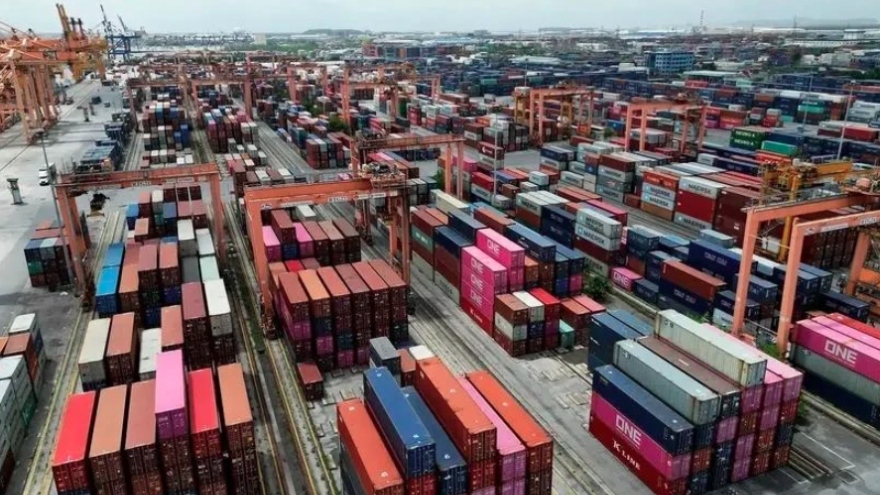
Foreign ships "overtake" domestic ships at Vietnam's seaports
The number of ships passing through Vietnam’s seaports was 50,553 in the first six months of this year, up 4% year-on-year, according to the Vietnam Maritime Administration (VMA).
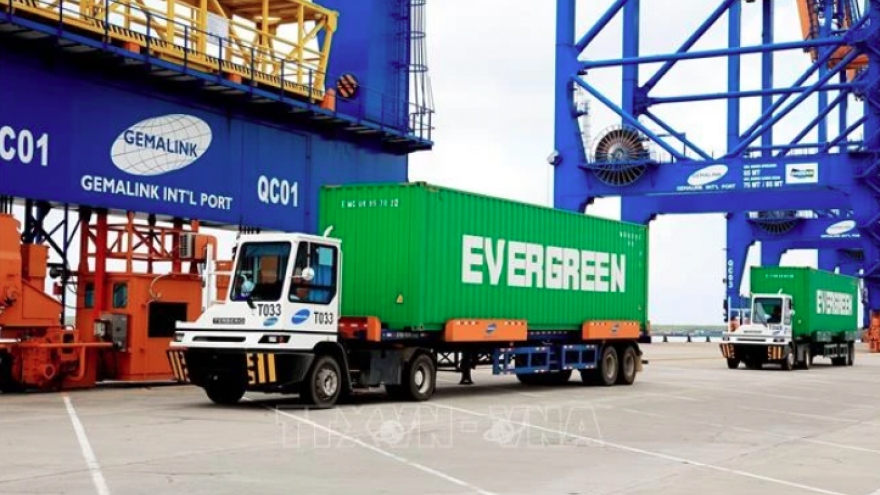
Vietnamese seaports to handle 1.2-1.4 billion tonnes of cargo by 2030
Vietnam's seaport cargo throughput is set to reach 1.2-1.4 billion tonnes by 2030, with container cargo expected to range from 46.3 to 54.34 million TEUs, according to a detailed plan for the development of seaport groups, wharfs, jetties, buoy berths, and water areas in 2021-2030, with a vision to 2050.