Young outdoor workers hospitalised as temperatures top 40°C in northern Vietnam

VOV.VN - A severe heatwave in northern Vietnam, with outdoor temperatures exceeding 40 degrees Celsius at times, has led to a rise in hospital admissions linked to heatstroke, dehydration and acute kidney injury, with many of the patients being young outdoor workers.

At the A9 Emergency Centre of Bach Mai Hospital in Hanoi, patient numbers have increased from around 250 a day to about 300 during peak heatwave periods. Weather-related illnesses have increased by 20-30% compared with normal levels.
Many patients have been admitted suffering from exhaustion and severe dehydration after spending hours working under intense heat. Doctors are treating a number of serious cases involving rhabdomyolysis and acute kidney injury.
One 25-year-old construction worker was hospitalised after spending hours working outdoors without drinking enough water. Tests showed his kidney function indicators had risen to nearly four times normal levels, warning of a high risk of severe acute kidney injury.
Prolonged hot weather has also worsened underlying health conditions. At the National Institute of Mental Health, a patient with a history of psychotic disorder required emergency treatment after symptoms intensified during the heatwave.
At Phu Tho General Hospital, doctors have continued to receive patients suffering from severe heatstroke after prolonged exposure to extreme heat. One 69-year-old man was admitted in a deep coma after collapsing while working in the fields. He was diagnosed with heatstroke accompanied by multiple organ failure and remains in critical condition.
The National Hospital for Tropical Diseases also treated a 21-year-old delivery worker who was involved in a traffic accident after experiencing dizziness while making deliveries during the extreme heat.
According to doctors, prolonged exposure to high temperatures can lead to dehydration, low blood pressure, acute kidney injury and life-threatening heatstroke. In severe cases, rhabdomyolysis can occur, releasing toxins that damage the kidneys.
Health experts have advised people to limit outdoor activities between 10 a.m. and 4 p.m., drink water regularly even when not thirsty and replenish electrolytes when working outdoors for extended periods.
Anyone experiencing symptoms such as headache, dizziness, muscle cramps, nausea, elevated body temperature or extreme fatigue should move to a cooler location, lower their body temperature and seek medical attention if symptoms show no improvement.
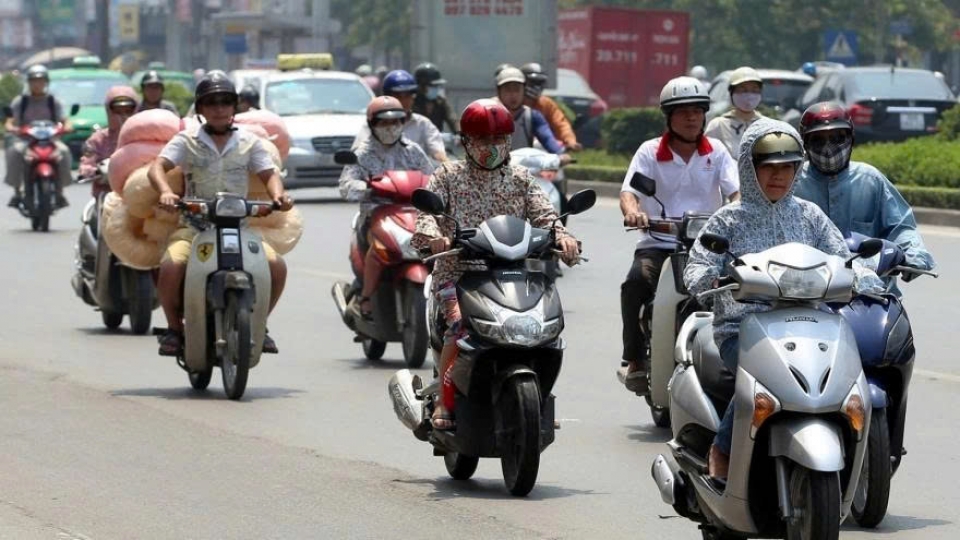
Scorching heat bakes Northern and Central Vietnam, temperatures exceed 37°C
VOV.VN - A widespread heatwave continues to affect Northern Vietnam and is expanding into parts of the Central region on July 29, according to the National Centre for Hydro-Meteorological Forecasting.