Worker health - A key driver of sustainable business growth

VOV.VN - Worker health is emerging as a strategic priority for Vietnamese businesses, with companies, trade unions, and policymakers working together to build a sustainable and comprehensive occupational healthcare system.
In the process of socio-economic development, workers are consistently regarded as the core force determining productivity, quality, and the competitiveness of the economy. Over the years, the Party and State have issued numerous policies aimed at improving, protecting, and enhancing worker health.
In practice, ensuring good health allows workers not only to work with greater peace of mind but also to directly contribute to the sustainable growth of enterprises and society as a whole.
From awareness to action in enterprises
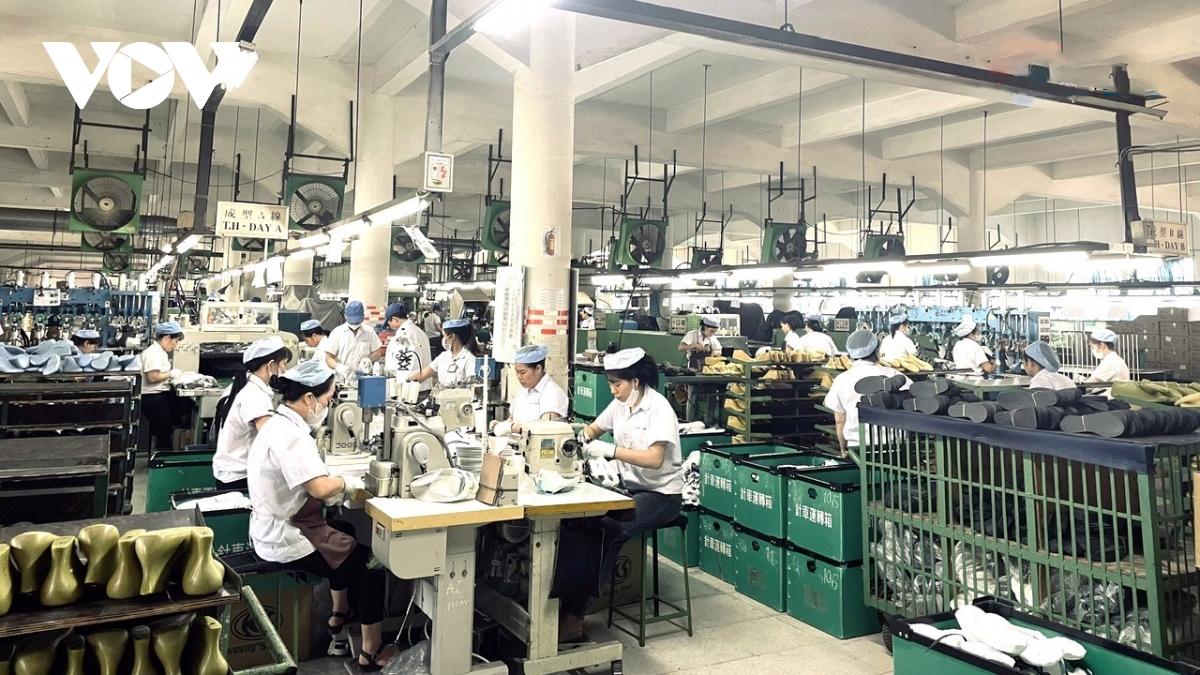
At Phuc Yen Footwear JSC in Phu Tho province, which employs nearly 1,000 workers, most of them women, healthcare activities have been systematically implemented in line with production characteristics.
According to Pham Thi Thanh Hai, a production worker, employees undergo health check-ups twice a year. Female workers, in particular, receive comprehensive screenings, including gynecological examinations, which were not always fully prioritised in the past.
These periodic check-ups have moved beyond formality, becoming an opportunity for workers to better understand their health conditions. In several cases, early detection has enabled timely treatment. Tran Thi Thuy, a sewing workshop worker, said she was diagnosed early with a thyroid condition during a company health check and received effective treatment.
Beyond medical examinations, the company also adjusts working conditions to better suit employees. According to Tran Quang Khai, deputy director in charge of administration of the company, working hours are organised in 8-hour shifts, with flexible leave arrangements for female workers during special periods, helping them balance work and health.
Occupational safety and hygiene measures are also implemented comprehensively. Each workshop has a dedicated safety unit conducting regular inspections based on clear criteria. Workers are fully equipped with protective gear such as gloves, masks, goggles, helmets, and boots, while machinery is fitted with shielding and air filtration systems to reduce workplace risks.
In addition, employees’ mental well-being is supported through cultural and recreational activities, including celebrations for International Women’s Day and Vietnamese Women’s Day, contributing to a positive and cohesive working environment.
Trade Unions as a vital bridge
In reality, the demand for health care among workers is increasing. While many only sought medical care when they were ill previously, regular health check-ups and preventive screening have now become more common.
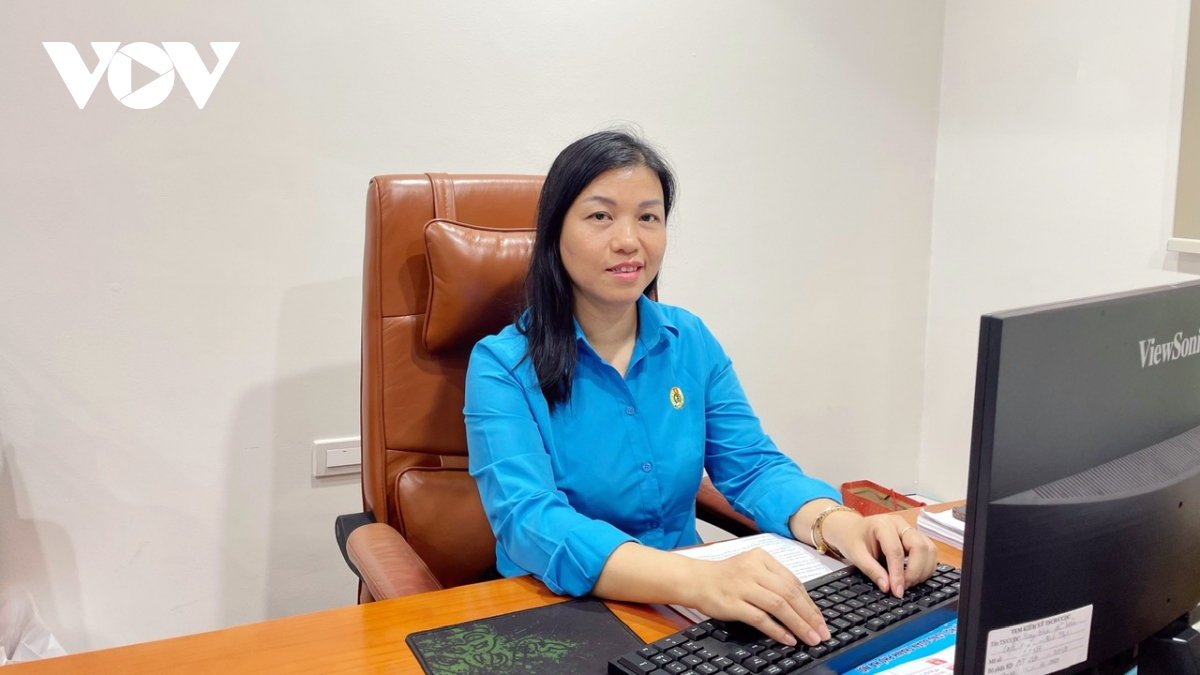
According to Ho Thi Kim Ngan, deputy head of Labour Relations at the Vietnam General Confederation of Labour, workers today require both physical and mental healthcare support due to high work intensity and potentially hazardous environments. However, access to healthcare services remains limited, particularly in industrial parks and export-processing zones.
In this context, trade unions play a crucial role as a bridge between workers, employers, and the healthcare system.
“They not only supervise compliance with periodic health check-up regulations but also coordinate mobile medical services and occupational disease screening programmes, especially for workers with limited access to health care,” Ngan said.
Trade unions have also actively participated in collective bargaining to include healthcare provisions in labour agreements, gradually improving service quality and addressing cases where check-ups were previously performed only superficially due to cost constraints.
Programmes such as “Workers’ Health Day” and activities during Workers’ Month and Occupational Safety and Health Action Month have also helped improve awareness and expand access to free or low-cost medical services.
Toward comprehensive health policy reform
Despite progress, worker health care still faces limitations. Experts noted that Vietnam’s current health insurance system primarily focuses on treatment rather than prevention, screening, and chronic disease management.
Associate Professor Dr. Nguyen Lan Hieu, a member of the National Assembly representing Hanoi, emphasised the need for clearer guidelines to ensure proper diagnosis and treatment pathways, avoiding self-medication or inappropriate treatment after diagnosis. He also highlighted the importance of long-term health data storage to improve disease monitoring and treatment efficiency.
Similarly, Associate Professor Dr. Nguyen Vu Trung, director of the Pasteur Institute Ho Chi Minh City, called for a shift from “health insurance for treatment” toward “comprehensive health coverage.” This would expand benefits to include preventive screening, regular check-ups, and chronic disease management, while also improving access for informal sector workers who currently lack adequate coverage.
Experts also proposed building an integrated “worker health ecosystem” that includes medical services, diagnostics, vaccination, and telemedicine. Enterprises are encouraged to become proactive “preventive health units,” taking responsibility for worker health at the workplace level.
Toward sustainable development
Existing laws already guarantee workers’ rights to periodic health examinations, and the healthcare sector is gradually improving relevant standards. Government directions toward expanding regular health check-ups and moving toward universal healthcare coverage in the future are also providing strong momentum.
Investing in worker health is not only a social responsibility but also an economically efficient strategy. Healthy workers mean lower absenteeism, fewer occupational accidents, and higher productivity.
In an increasingly competitive and globalised environment, building safe, friendly workplaces with comprehensive healthcare for workers is essential for sustainable development. This requires coordinated efforts from the State, businesses, trade unions, and society to ensure all workers have access to essential healthcare services, moving toward the broader goal of a healthy Vietnam.
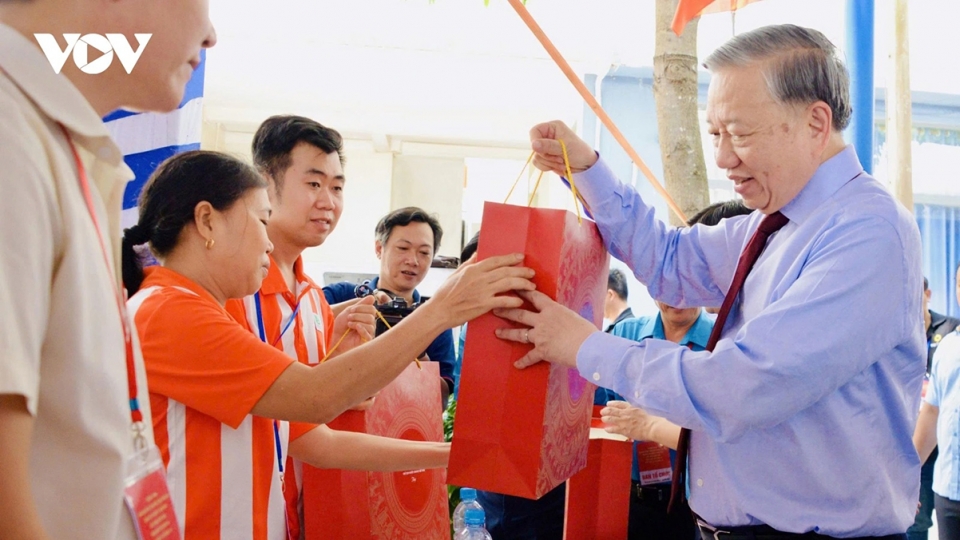
Top leader To Lam stresses worker welfare as key political task
VOV.VN - General Secretary and President To Lam on April 27 called for continued efforts to improve workers’ living conditions, describing it as a key political task, during a meeting with labourers in Ho Chi Minh City.