Vietnam showcases indigenous heritage at Venezuela conference

VOV.VN - Vietnam highlighted the rich cultural diversity of its 54 ethnic groups and the vital role of women in preserving indigenous heritage at an international conference of indigenous peoples for peace and development, held in Caracas, Venezuela, on December 8-9.
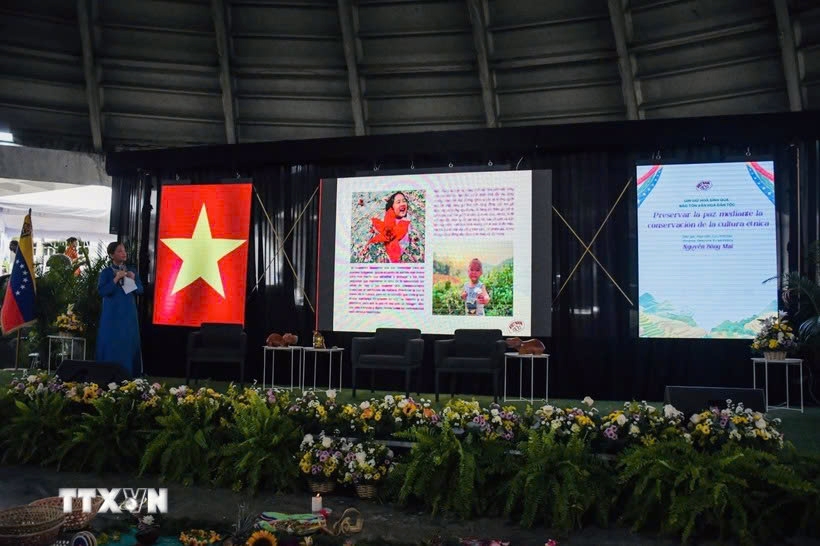
Vietnam was the only Asian nation to participate in the large-scale global event, which drew thousands of delegates from 15 countries.
The Vietnamese delegation, led by director Nguyen Bong Mai, presented the message “Preserving Peace through Cultural Heritage,” focusing on stories of highland women quietly safeguarding Vietnam’s cultural soul through traditional crafts, songs, and customs.
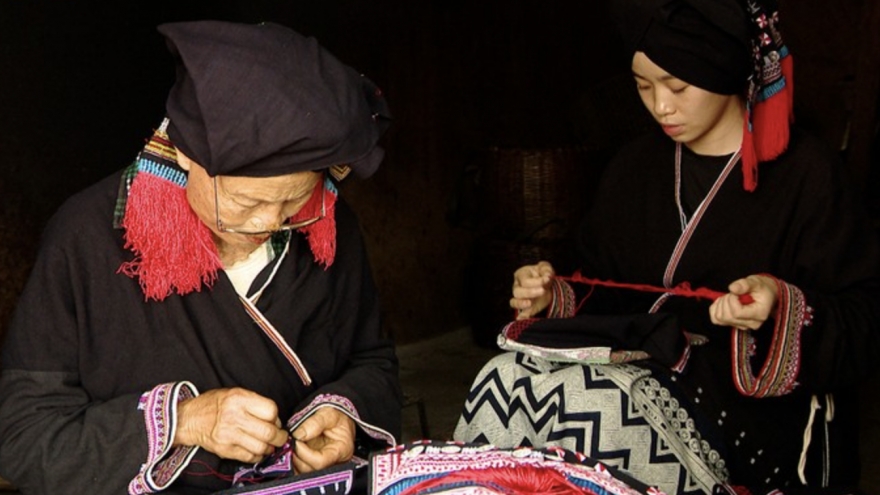
In her keynote presentation, Mai shared vivid narratives, from a young girl denied access to medical care to artisans labouring at traditional looms and young women returning to their villages after university to nurture cultural traditions. She emphasised that the future of girls and the strength of women in preserving culture are intertwined, “like threads woven into the same fabric on which indigenous communities write their own stories.”
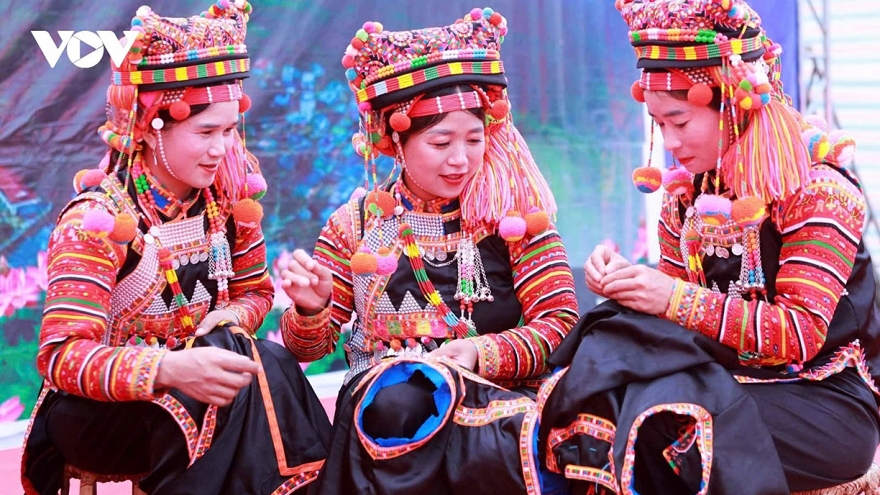
The Vietnamese exhibition stood out with traditional costumes of the Khang, Xa Phang, Red Dao, Lu, and Ha Nhi Black ethnic communities, where every pattern and stitch symbolised harmony between humans and nature and conveyed the enduring vitality of highland communities. The colourful display captured the attention of nearly 2,000 delegates, leaving a lasting impression of a peace-loving nation.
The conference, which attracted thousands of delegates from indigenous communities worldwide, underscored that culture is “a solid path to peace and sustainable development,” as stated by Clara Vidal, Venezuela’s Minister for Indigenous Peoples.
She noted that global indigenous communities face threats to livelihoods and cultural identity from uncontrolled resource exploitation, and that preserving indigenous heritage in the era of globalisation requires comprehensive strategies in self-determination, education, culture, and economic empowerment.
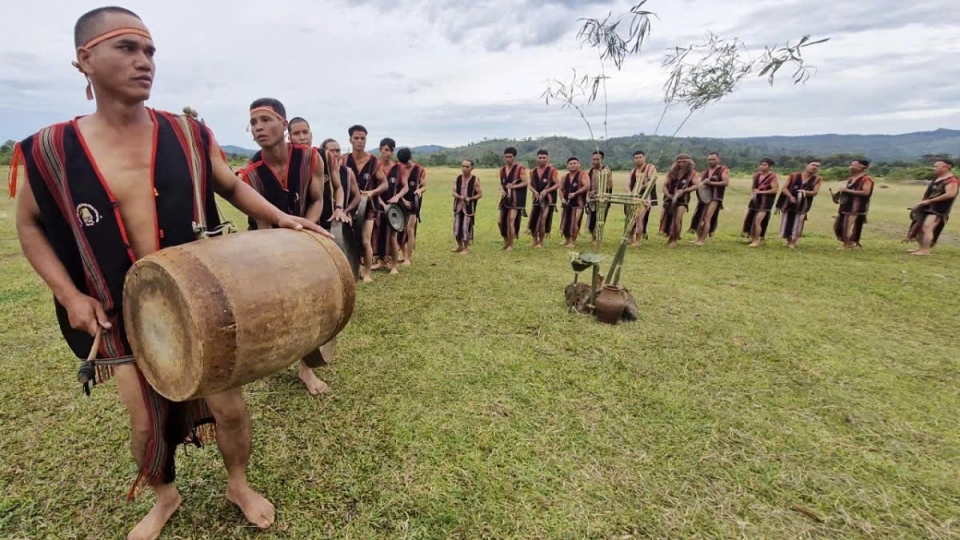
Jarai community revives rice worship ritual in Central Highlands
VOV.VN - Before each planting season, the Jarai ethnic community in Vietnam’s Central Highlands holds a traditional rice worship ceremony to pray for favourable weather, abundant crops and peaceful life.