Vietnam, New Zealand advance strategic research cooperation, plan Vietnam Center

VOV.VN - Research institutions from Vietnam and New Zealand have agreed to establish regular, substantive cooperation mechanisms, highlighted by a proposal to set up a Vietnam Center at the New Zealand Asia Institute (NZAI), University of Auckland.

The initiative was discussed during an August 13 working session between a high-level Vietnamese delegation, led by Prof. Dr. Nguyen Xuan Thang, Politburo member and Chairman of the Central Theory Council, and NZAI leaders, headed by Institute Director Associate Prof. Antje Fiedler.
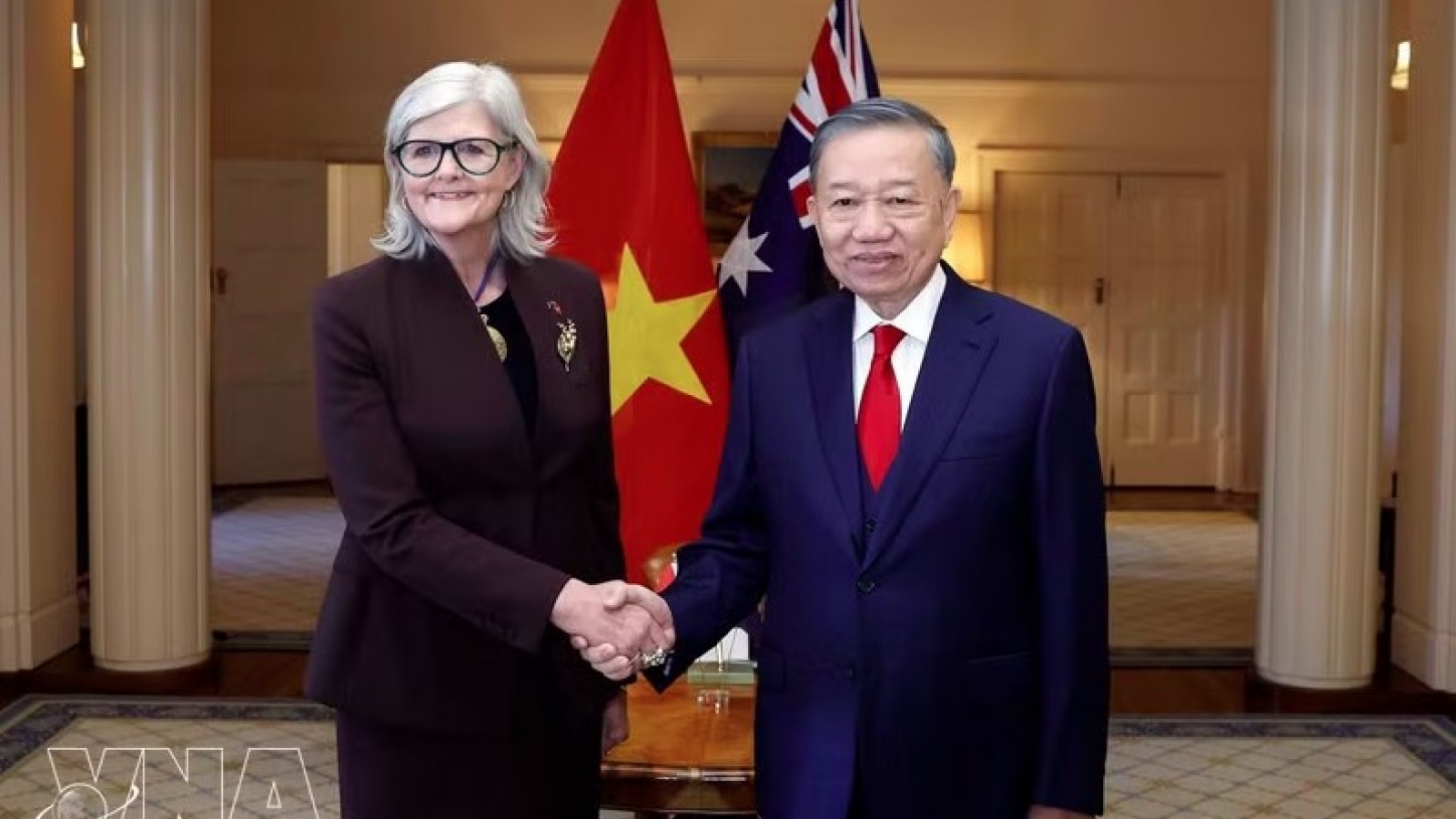
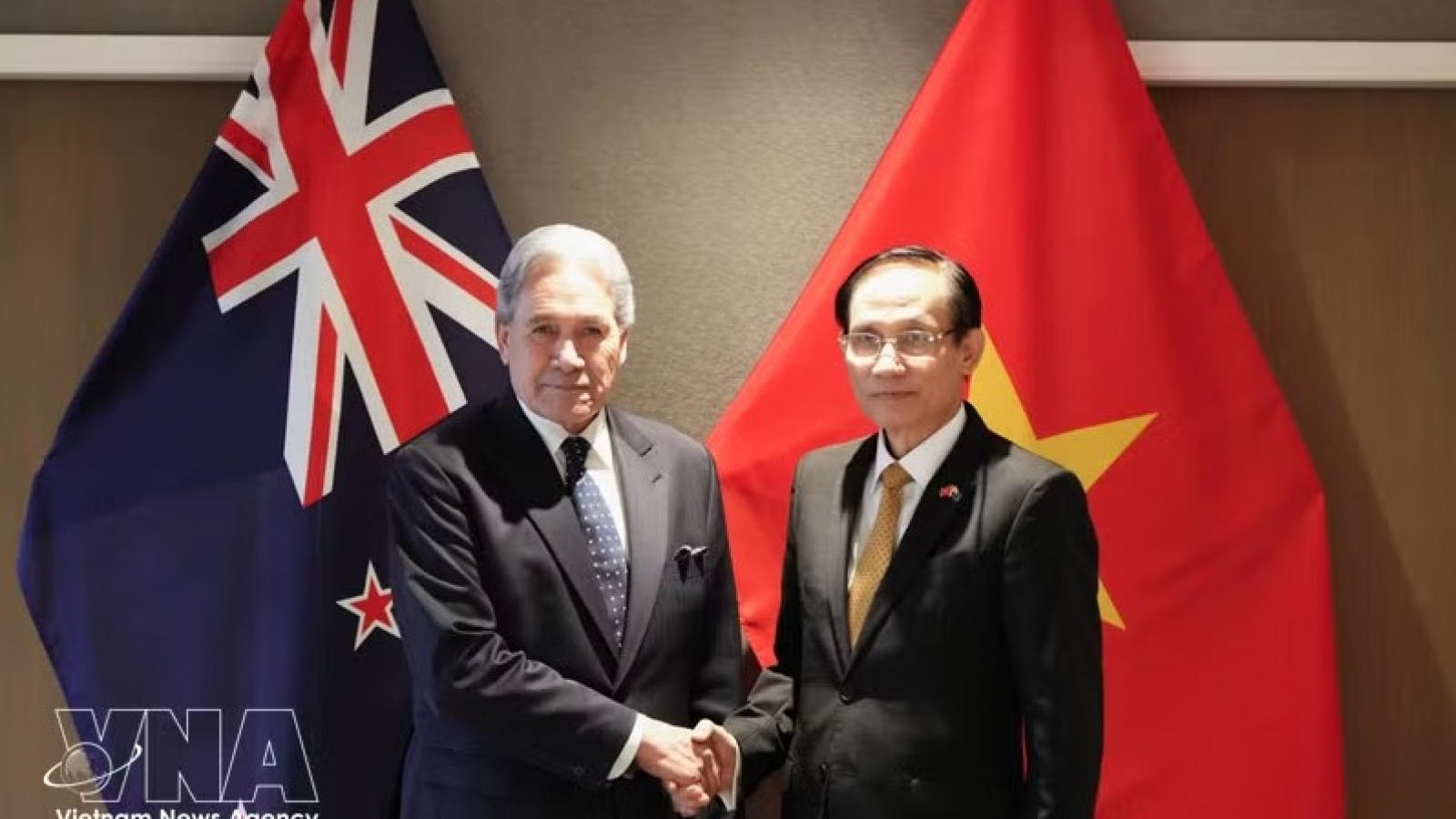
The delegation’s visit formed part of academic exchanges surrounding the state visit to New Zealand by General Secretary of the Communist Party of Vietnam Central Committee and State President To Lam.
NZAI, a research center under the University of Auckland, focuses on New Zealand’s engagement with Asia while linking academics, businesses, and policy makers. During the meeting, both sides noted that the elevation of bilateral ties to a Comprehensive Strategic Partnership provides a solid political foundation to deepen academic and research collaboration.
NZAI leaders glowingly spoke of President To Lam’s state visit, stating it creates fresh impetus for materializing the Comprehensive Strategic Partnership. They also acknowledged Vietnam’s development achievements and its growing role regionally and in bilateral relations.
In discussions with New Zealand scholars, Prof. Dr. Nguyen Xuan Thang reaffirmed that Vietnam attaches great importance to deepening its Comprehensive Strategic Partnership with New Zealand and enhancing ties with South Pacific nations.
He stressed that strategic research bodies, including the Ho Chi Minh National Academy of Politics, the Central Theory Council, and NZA, should take a proactive role in research, analysis, and policy advisory to strengthen mutual understanding among governments, business communities, and the public.
Both sides agreed that future cooperation must move beyond isolated academic exchanges toward institutionalized, regular, and sustainable exchange mechanisms. On this basis, they identified key areas with strong potential for joint work, including international trade, digital transformation, artificial intelligence (AI), emerging technologies, green growth, renewable energy, circular economy, and energy transition.
Vietnam showed particular interest in New Zealand’s expertise in green growth and renewable energy. Discussions covered potential experience-sharing in wind power development, including offshore wind, as well as comprehensively addressing issues related to the environment, ecosystems, planning, and policy mechanisms.
The meeting also highlighted the role of the Vietnamese diaspora in New Zealand. With approximately 15,000 Vietnamese living, studying, and working in the country, including scientists, lecturers, experts, and entrepreneurs, the community represents a vital resource to advance bilateral ties.
Both sides agreed that Vietnamese experts in New Zealand can engage more deeply in research networks, policy advisory, and academic connectivity between the two nations, particularly in sectors where Vietnam faces high demand for international expertise. In this context, the proposed Vietnam Center at NZAI serves as a major initiative.
Under the initial framework, the center will be based at the University of Auckland but will operate beyond a single institution. It aims to mobilize a network of experts across multiple research facilities and universities in New Zealand, including those in Auckland and Wellington.
The model is expected to create a broader platform connecting scholars, research agencies, and experts from both countries, while supporting research on Vietnam, Vietnam-New Zealand relations, and shared economic, technological, and development issues.
Top leader’s visits foster substantive ties with Australia, New Zealand
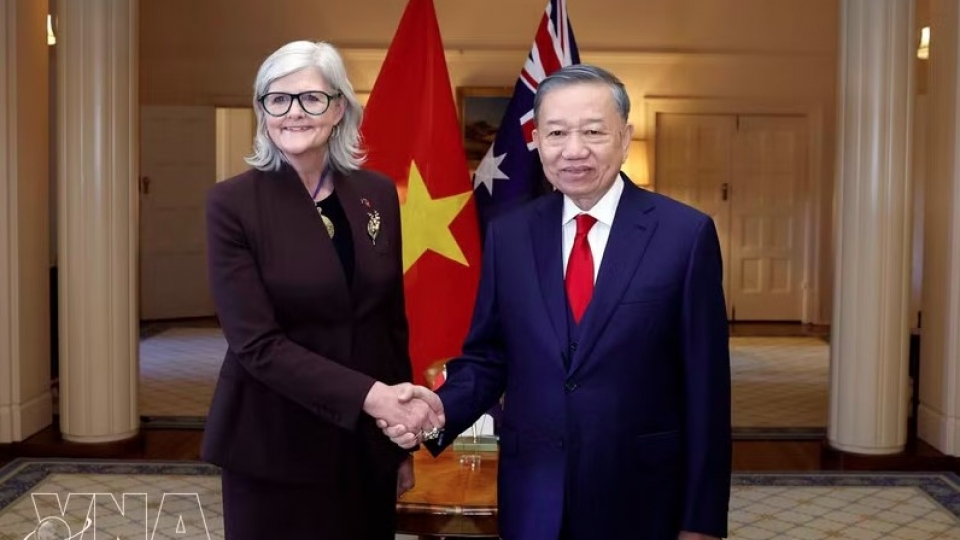
The state visits by General Secretary of the Communist Party of Vietnam Central Committee and President To Lam to Australia and New Zealand from August 9-14 have created fresh momentum for elevating Vietnam’s relations with the two countries, said Minister of Foreign Affairs Le Hoai Trung.
Maximizing economic complementarity for practical Vietnam-New Zealand cooperation
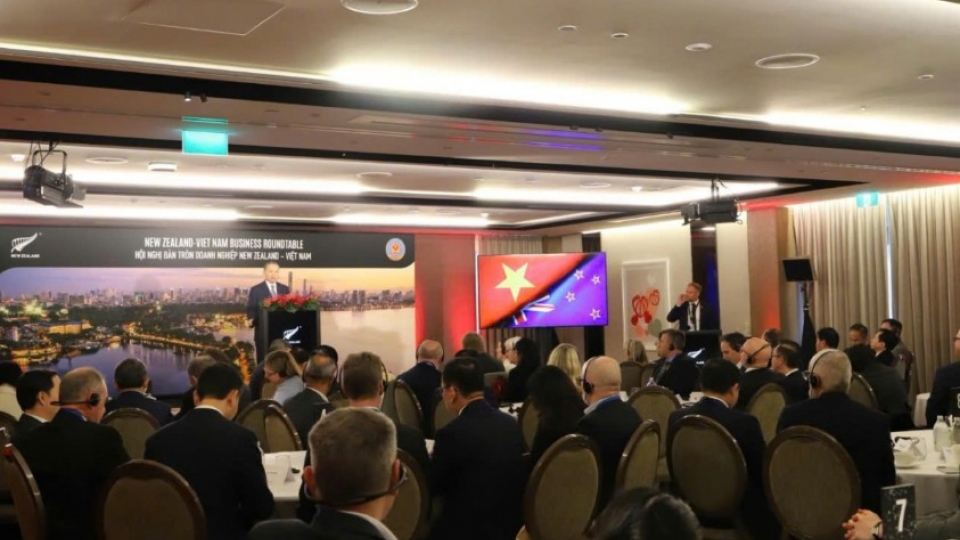
VOV.VN - The economies of Vietnam and New Zealand share a high degree of complementarity with minimal direct competition, a strength both nations are actively tapping to make bilateral cooperation more substantive and effective.