Maximizing economic complementarity for practical Vietnam-New Zealand cooperation

VOV.VN - The economies of Vietnam and New Zealand share a high degree of complementarity with minimal direct competition, a strength both nations are actively tapping to make bilateral cooperation more substantive and effective.
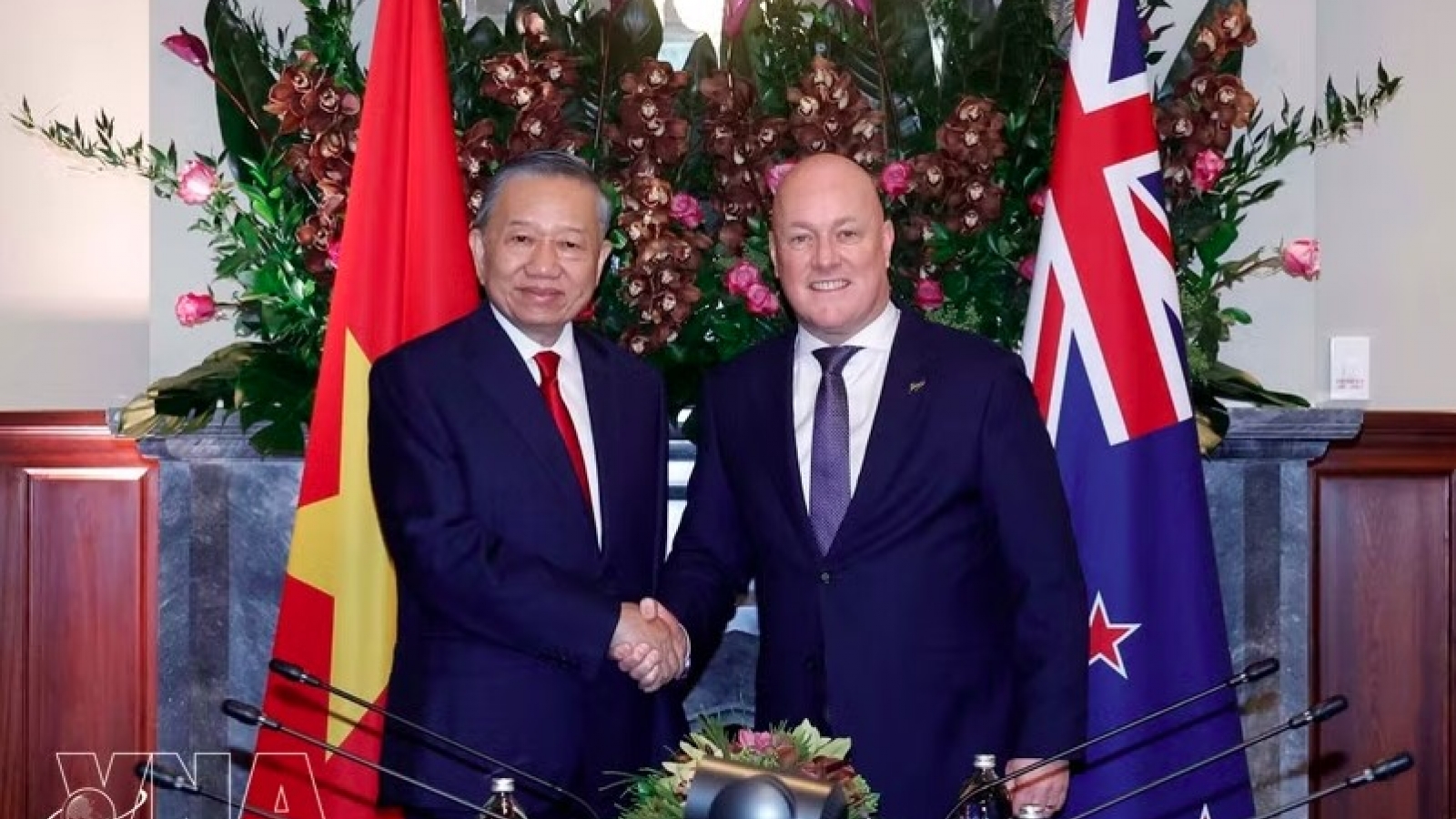
The recent state visit to New Zealand by Party General Secretary and State President To Lam clearly demonstrated joint efforts to achieve this goal and yield clear outcomes.
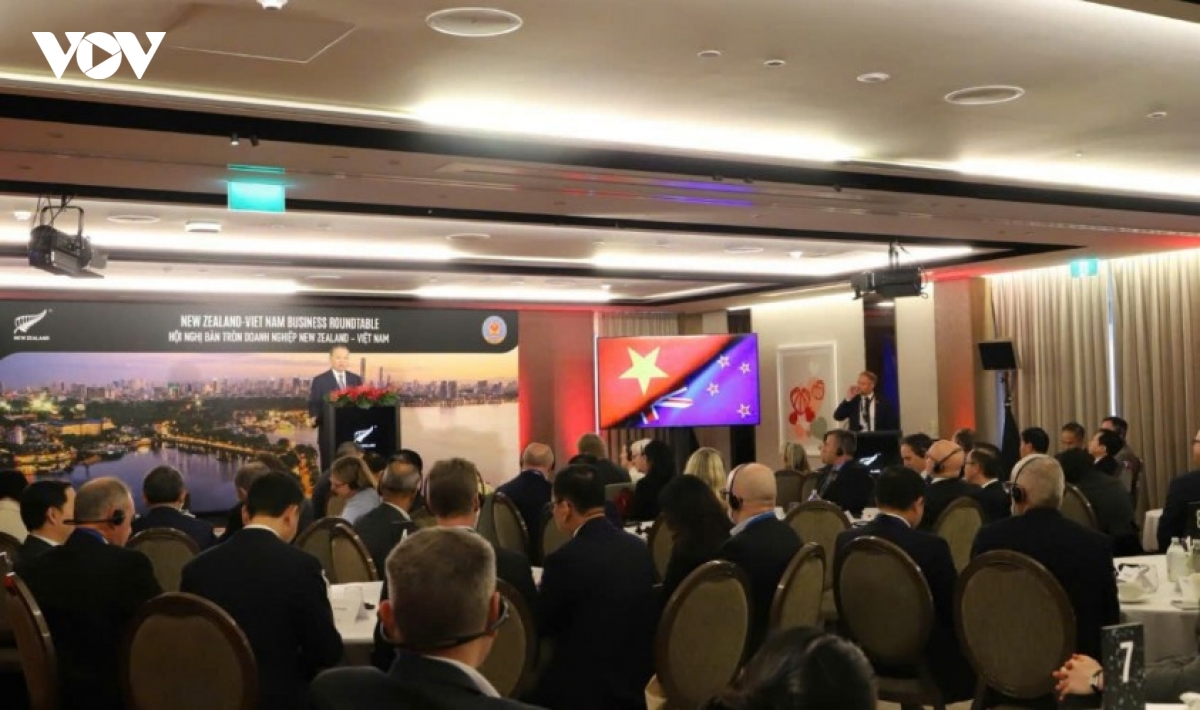
Speaking at the New Zealand-Vietnam-Business Roundtable in Auckland on August 13, 2026, the top Vietnamese leader emphasized that Vietnam and New Zealand are highly complementary economies.
New Zealand possesses strengths in modern agriculture, food technology, education, research, green economy, and innovation. Meanwhile, Vietnam offers a market of over 100 million people, a young workforce, expanding production capacity, an extensive network of free trade agreements, and a strategic position in Southeast Asia. Effective exploitation of these mutual strengths will deepen bilateral ties and deliver concrete results.
Boosting Vietnam-New Zealand economic and trade ties
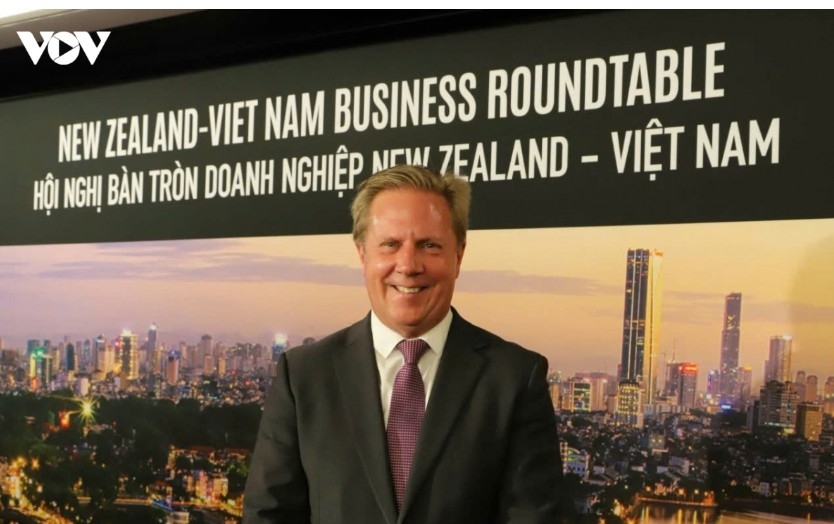
This goal extends beyond policy commitments into concrete actions by New Zealand. In an interview with VOV's resident correspondent covering the Oceania region, New Zealand Minister for Trade and Investment Todd McClay affirmed that both nations are on track to raise two-way trade to US$3 billion by 2026. Minister McClay noted that leveraging free trade agreements and augmenting cooperation in New Zealand's areas of strength will pave the way for specific bilateral agreements.
He highlighted that the two countries enjoy strong cooperation, both bilaterally and through multilateral frameworks including the World Trade Organization (WTO) and the Comprehensive and Progressive Agreement for Trans-Pacific Partnership (CPTPP), where Vietnam currently serves as chair and performs effectively.
He identified significant potential for partnership, particularly in New Zealand's exports of high-quality food and fiber to Vietnam, alongside agricultural technology to help Vietnamese farmers boost productivity and revenue. He also pointed to substantial opportunities in other sectors, including investment and education.
Expanding business cooperation and market development
A growing number of New Zealand enterprises have established partnerships in Vietnam and are exploring opportunities to expand operations. Gallagher, a provider of livestock management tech solutions, is working together with THACO AGRI on livestock management, while partnering with TANBAO SAIGON to supply solutions for TH Milk, Hoa Phat, and Vinpearl Safari.
In medical technology, following 35 years of operation in Vietnam, Fisher & Paykel Healthcare plans to expand its local presence by investing in distribution partners. Harry Misselbrook, Regional Director for Southeast Asia at Fisher & Paykel Healthcare, stated that Vietnam's healthcare demand is expanding rapidly and is expected to grow further in the coming years, making it a high-potential market with expected annual growth exceeding 20%. This outlook has prompted the company to invest in local distribution partners and create more jobs in Vietnam.
Misselbrook noted that while specific trade figures are confidential, the company's business in Vietnam is growing rapidly, at least 20%, 30%, or 40% annually. Following strong expansion over the past five years, the firm has hired additional staff to further boost trade between Vietnam and other countries, adding that growth is expected to stay well above 20% per year.
Education seen as central and potential pillar of cooperation
Education represents a core strength for New Zealand while meeting the rising demand among Vietnamese citizens for modern instruction. Minister Todd McClay stated that New Zealand offers high-quality high schools where Vietnamese students are warmly welcomed in a safe environment. He added that New Zealand universities are increasingly advanced, with several ranked among the world's best, making the country a preferred destination for Vietnamese students.
During the visit, Party General Secretary and State President To Lam attended the Vietnam- New Zealand Higher Education and Skills Forum. In his address, he outlined four key directions for future educational cooperation: developing high-quality human resources with priority given to complementary fields such as artificial intelligence, data science, digital technology, and cybersecurity; promoting collaborative research, innovation, and knowledge transfer between universities and research institutions; strengthening vocational education and skills development; and expanding exchanges of students, lecturers, scientists, and educational managers.
Commenting on the leader's address, New Zealand Minister for Tertiary Education, Skills, Science, Innovation and Technology Penny Simmonds expressed deep appreciation for his insights, noting that his remarks were thought-provoking. She observed top leader To Lam places great importance on building people-to-people ties with education as the key driver, while demonstrating a strong commitment to achieving tangible outcomes in both skills training and higher education rather than focusing solely on signing formal agreements.
Professor Damon Salesa, Vice-Chancellor of Auckland University of Technology, affirmed that the proposals made by General Secretary and State President To Lam lay a solid foundation for deeper educational cooperation.
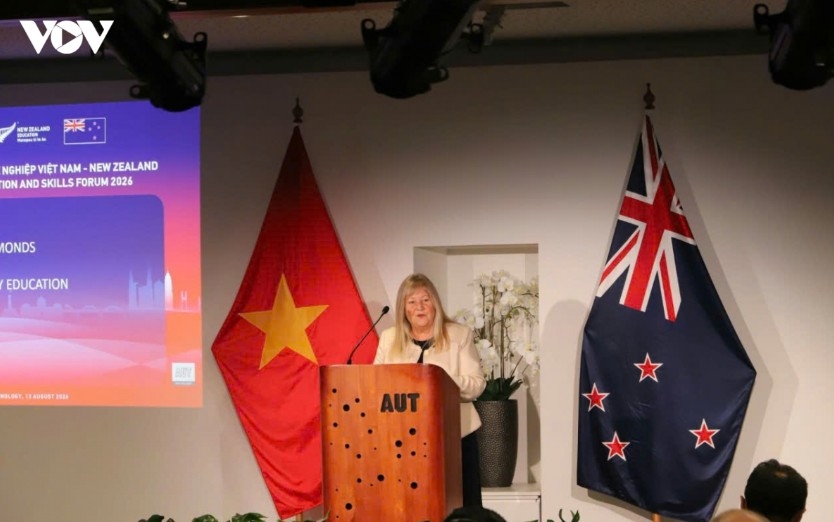
He noted that the top leader's vision regarding Vietnam's priorities and areas of bilateral cooperation was highly insightful, laying a solid foundation for deeper cooperation, particularly in higher education with a focus on high-level skills development and specific fields such as artificial intelligence and advanced manufacturing.
In this context, Auckland University of Technology can contribute to training in key fields required by Vietnam, including computer science, artificial intelligence, and advanced manufacturing. Professor Salesa added that the university has substantial capacity in these programs and is investing heavily to ensure graduates are fully prepared for the future.
According to Professor Neil Clayton Quigley, Vice-Chancellor of the University of Waikato and Chair of Universities New Zealand, education is a highly complementary area between the two nations, as Vietnam's younger generation seeks access to advanced education and the labor market requires skilled workers with updated knowledge.
He stressed that economic development requires investment in human resources, where Vietnam holds a major advantage due to its rich educational tradition and strong societal focus on academic advancement. This creates extensive opportunities for cooperation to support Vietnam's economic growth through formal training programs in science and technology.
To maximize training efficiency, Professor Quigley suggested that New Zealand universities cooperate with Vietnamese counterparts to co-develop curricula and joint research initiatives.
Lively discussions at the recent business roundtable and educational forum highlighted measures to connect partners and facilitate direct engagement, capitalizing on specific cooperation opportunities.
As New Zealand works to rebuild its economy post-pandemic, the country is actively strengthening ties with Southeast Asian partners, with Vietnam viewed as a highly promising partner.
The state visit by Party General Secretary and State President To Lam came at a time when New Zealand seeks to tighten ties with partners like Vietnam to spur growth. This shared commitment is injecting renewed energy and determination to deliver increasingly concrete and practical outcomes in bilateral cooperation in the coming period.

Vietnamese consumers develop taste for Australian, New Zealand fruit
For years, fruit from Australia and New Zealand has been a familiar choice among Vietnamese consumers.
Foreign ministry facilitates business ties with Australia, New Zealand
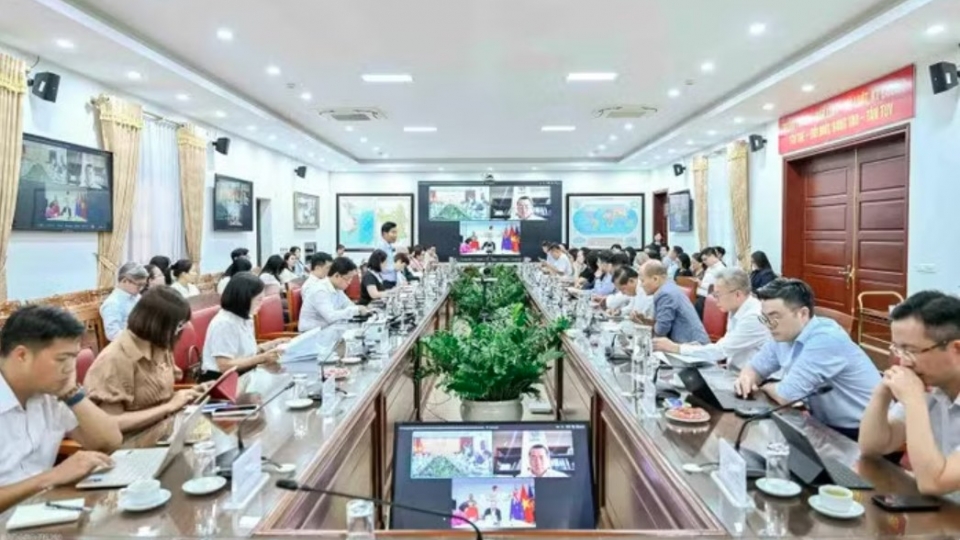
Deputy Minister of Foreign Affairs Nguyen Manh Cuong chaired a meeting in Hanoi on June 29 with Vietnamese enterprises to take stock of their cooperation with Australia and New Zealand and gather input before upcoming high-level diplomatic engagements.