Vietnam attracts growing interest through NUS friendship initiative

At the National University of Singapore (NUS), the Southeast Asian Friendship Initiative (SFI) is working to promote historical and cultural values as well as mutual understanding among ASEAN member states. In practice, Vietnam has emerged as one of the most popular destinations in the programme’s study courses.
An increasing number of students in Singapore are seeking to learn more about Vietnam, thanks to the steady enhancement of bilateral ties, from the establishment of a strategic partnership in 2013 to a comprehensive strategic partnership in 2025. Relations continue to deepen across multiple fields, most recently through the state visit to Singapore by General Secretary of the Communist Party of Vietnam and President of Vietnam To Lam from May 29 to 31.
Dr Mohamed Effendy Bin Abdul Hamid, a senior lecture on Southeast Asian studies at NUS, the SFI introduces the region to students and helps them understand why it is important.
Based on feedback and enquiries he has received, a growing number of students are interested in learning more about Vietnam’s history, culture, society and, in particular, its economy. As a result, study visits to the country have become increasingly frequent.
The 2026 SFI programme enabled students to experience Vietnamese culture first-hand through a course on Vietnamese history combined with a 10-day educational tour from northern to southern Vietnam.
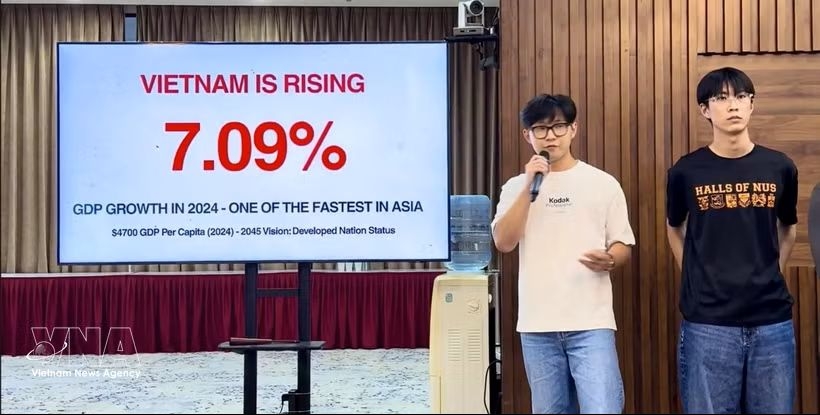
One participant, Jeffrey Tiang Jun Rong, said he is impressed by the nation’s economic development and its vision of becoming a developed country by 2045. He expressed confidence that Vietnam will continue making determined efforts to achieve that goal.
Meanwhile, Shwe Yati Oo chose Vietnamese architecture as the subject of her post-trip project. She said she was particularly struck by the country's architectural heritage, ranging from feudal-era structures to buildings from the French colonial period.
According to her, architecture in Vietnam is not merely about impressive buildings; it also tells the story of a nation’s adaptability, resilience and development over time.
The programme’s creative assignments have also proved popular among students. Mohamed Effendy Bin Abdul Hamid noted that participants are encouraged to present their projects through any medium they choose, including TikTok videos, Facebook posts or even rap performances in Vietnamese.
He stressed that this creative and flexible approach has been one of the most effective ways for encouraging them to gain a deeper understanding of the country.
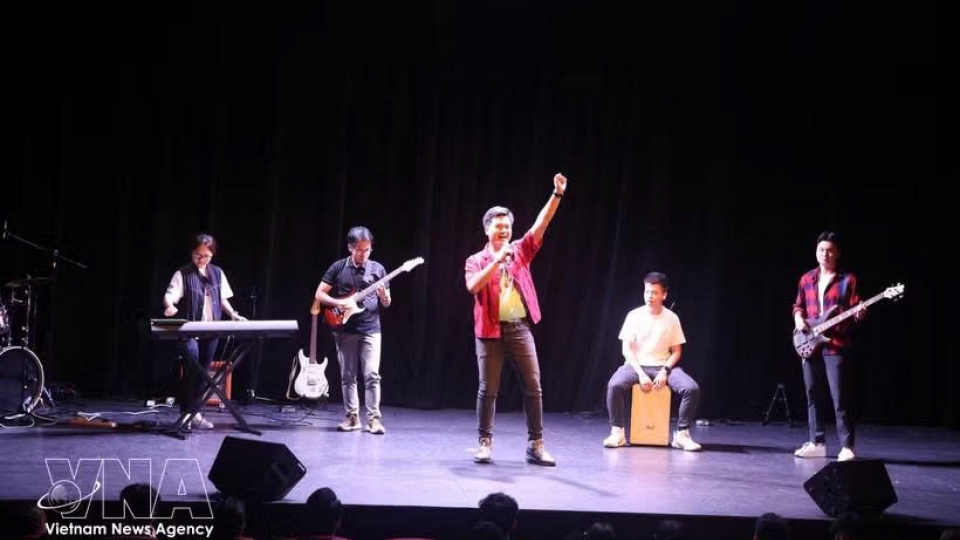
Vietnamese students in Singapore promote homeland’s culture through music
Vietnamese students in Singapore marked the 51st anniversary of the Liberation of the South and National Reunification with a cultural programme that celebrated national identity while strengthening bonds within the overseas Vietnamese community.