




Two Vietnamese universities rise in QS World Rankings 2027

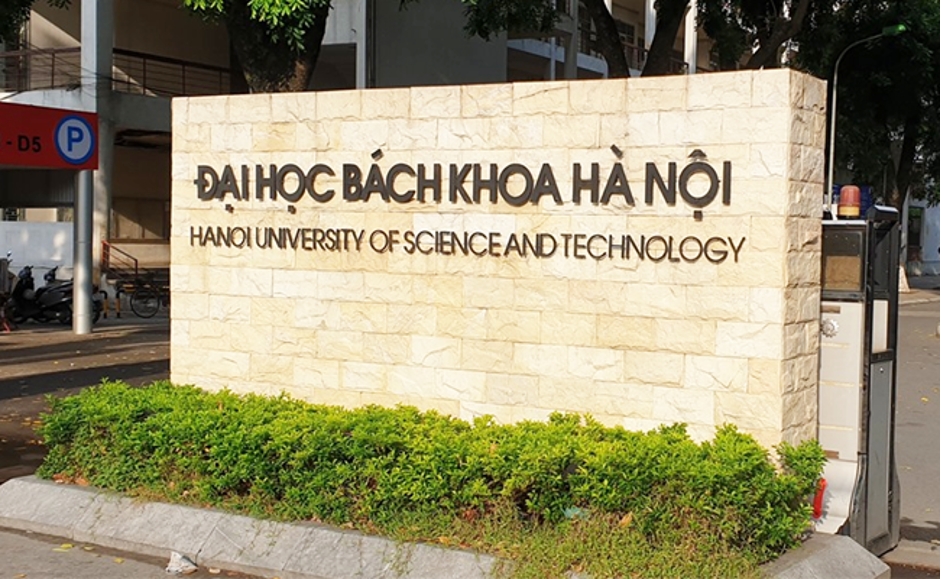
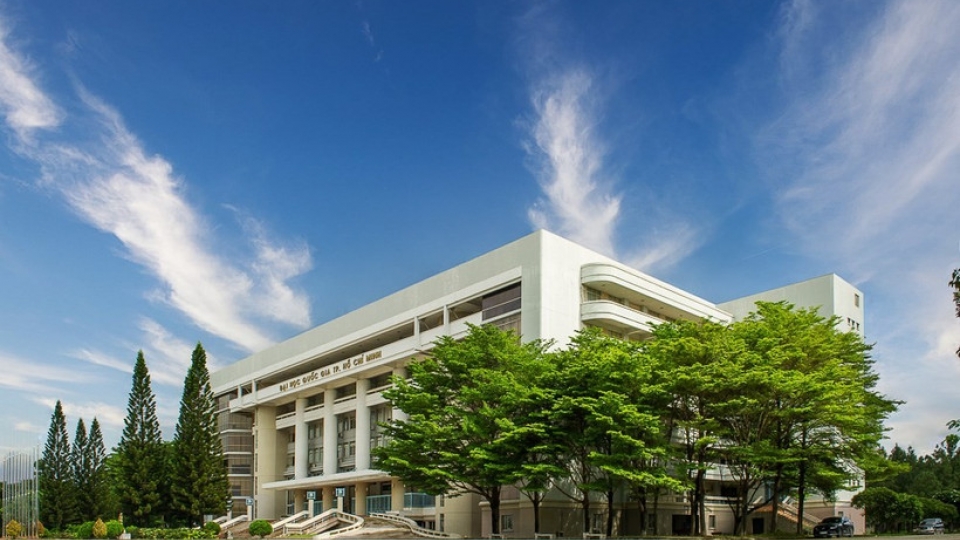
VOV.VN - Two Vietnamese universities improved their positions in the QS World University Rankings 2027, with Vietnam National University, Hanoi (VNU) and Hanoi University of Science and Technology (HUST) moving up amid a competitive global higher education landscape.
According to the latest rankings released by QS Quacquarelli Symonds on June 18, more than 1,500 universities worldwide were assessed based on nine indicators, including academic reputation, citations per faculty, employer reputation, internationalization and sustainability.
Nine Vietnamese universities were featured in the QS World University Rankings 2027, down from 10 in the previous edition.
Among Vietnam’s ranked institutions, Vietnam National University, Hanoi improved from the 761–770 band to the 751–760 band, continuing its upward trajectory in recent editions of the ranking.
Meanwhile, Hanoi University of Science and Technology recorded one of the most notable gains among Vietnamese institutions, advancing from the 1,201–1,400 band to the 1,001–1,200 band, reflecting improvements in research performance and international recognition.
Two other Vietnamese universities maintained their positions, with Vietnam National University Ho Chi Minh City in the 801–850 band, and Van Lang University in the 1,001–1,200 band.
While two universities improved their rankings, other Vietnamese institutions experienced varying results.
Duy Tan University was the highest-ranked Vietnamese institution in the QS rankings despite dropping 22 places compared with the previous edition. Ton Duc Thang University also fell to the 801–850 band.
Can Tho University and Industrial University of Ho Chi Minh City both moved into the 1,401+ category.
Notably, Hue University and the University of Danang were no longer listed in this year's ranking, while Ho Chi Minh City University of Technology appeared for the first time in the 1,401+ group.
Overall, among Vietnam’s nine ranked institutions, two improved their positions, two stayed unchanged, and the rest either declined or experienced ranking shifts.
This year's rankings assessed more than 1,500 universities worldwide, including 90 new institutions from 40 countries and territories. The methodology is based on nine indicators, with academic reputation accounting for the largest share at 30%, followed by citations per faculty at 20%. Other criteria include employer reputation, faculty-student ratio, international faculty, international students, international research network, employment outcomes and sustainability.
Massachusetts Institute of Technology retained its position as the world's top university for the 15th consecutive year. The top five remained unchanged, with Imperial College London, Stanford University, University of Oxford and Harvard University rounding out the top five.
According to QS, the global higher education landscape saw several notable developments this year. In the United States, California Institute of Technology achieved its highest ranking since 2023, while Yale University and Johns Hopkins University returned to the world's top 20. Although Harvard was no longer among the top three, it continued to lead globally in four performance indicators.
Elsewhere in Asia, Chinese universities performed strongly, with 72% of ranked institutions improving their positions and 13 new entrants added. Peking University was the country's highest-ranked university, placing 13th globally.
In Europe, Italy was among the strongest performers, with 56% of its universities moving up in the rankings. Politecnico di Milano led the country's institutions at 87th place. Technical University of Munich and Université PSL were the highest-ranked universities within the European Union.
By contrast, universities in Latin America and Canada continued to face downward pressure. In Canada, 66% of ranked institutions fell in the standings, although McGill University remained the country's top-ranked university.
Vietnamese universities climb global rankings in multiple disciplines
Several academic disciplines at Vietnamese universities have improved their positions in the latest global rankings released by Quacquarelli Symonds (QS).

