Tougher traffic rules pay off as road user behaviour changes in Vietnam

VOV.VN - Vietnam’s new traffic safety decree, which came into force on January 1, 2025, is delivering initial results by significantly reducing road accidents, serious injuries and fatalities, easing pressure on emergency healthcare services and reinforcing public discipline on the road, experts say.
The Government’s Decree 168/2024/ND-CP introduces tougher penalties for traffic violations, including higher fines, driver’s license demerit points and longer suspensions for serious offences such as drink driving, illegal racing and driving against traffic on highways. Common violations such as running red lights, unsafe lane changes and opening vehicle doors unsafely are now subject to substantially higher administrative penalties.
A sharp decline in severe traffic injuries
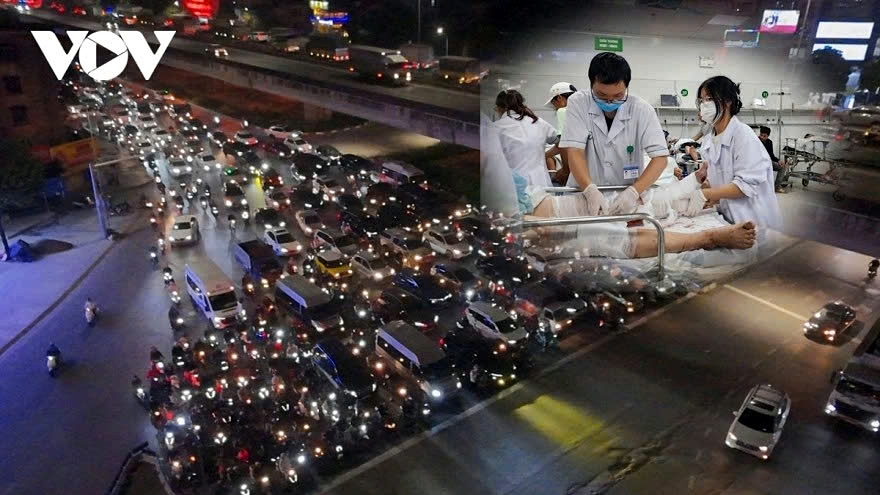
Doctors say major hospitals have reported a noticeable drop in serious traffic-related injuries since the decree took effect. Dr. Do Manh Hung, deputy head of the Spine Surgery Department at Vietnam-Germany Friendship Hospital in Hanoi, said the number of critically injured traffic accident patients referred to central-run hospitals has declined markedly.
“Emergency surgeries for severe trauma have decreased significantly, and traffic-related fatalities are also showing a downward trend compared to the same period last year,” Hung said. “This allows doctors to focus more resources on improving treatment quality and deploying advanced medical techniques.”
According to Hung, stricter enforcement under Decree 168 has played a key role in raising public awareness and compliance with traffic laws, directly contributing to fewer serious accidents.
Traffic safety experts agree the decree responds to an urgent need to restore order on Vietnam’s roads, where traffic accidents continue to cause significant human and economic losses despite recent improvements.
Khuong Kim Tao, former deputy chief of the Office of the National Traffic Safety Committee, described the decree as “a necessary and timely step” to strengthen state management of road safety.
“Higher penalties and the license demerit point system increase deterrence against dangerous behaviour,” he said, adding that the decree also reflects a humane approach by differentiating between serious and minor violations, allowing drivers to correct behaviour without excessive disruption to daily life.
Dr. Tao affirmed that, in the long run, the strict enforcement of Decree 168 will contribute to the formation of a safer, more orderly, and civilized traffic system, as people gradually become accustomed to complying with the law instead of trying to circumvent it.
In addition, he also emphasised the role of traffic infrastructure in the implementation of the Decree. At some intersections, he pointed out, the quality of traffic lights is inconsistent, and the distribution of signal times is unreasonable, potentially affecting operational efficiency and causing frustration for road users. Furthermore, building a traffic safety culture is considered a key factor in filling the gaps that the law cannot fully cover, aiming for a safe, healthy, and sustainable traffic environment.
Visible changes in road behaviour
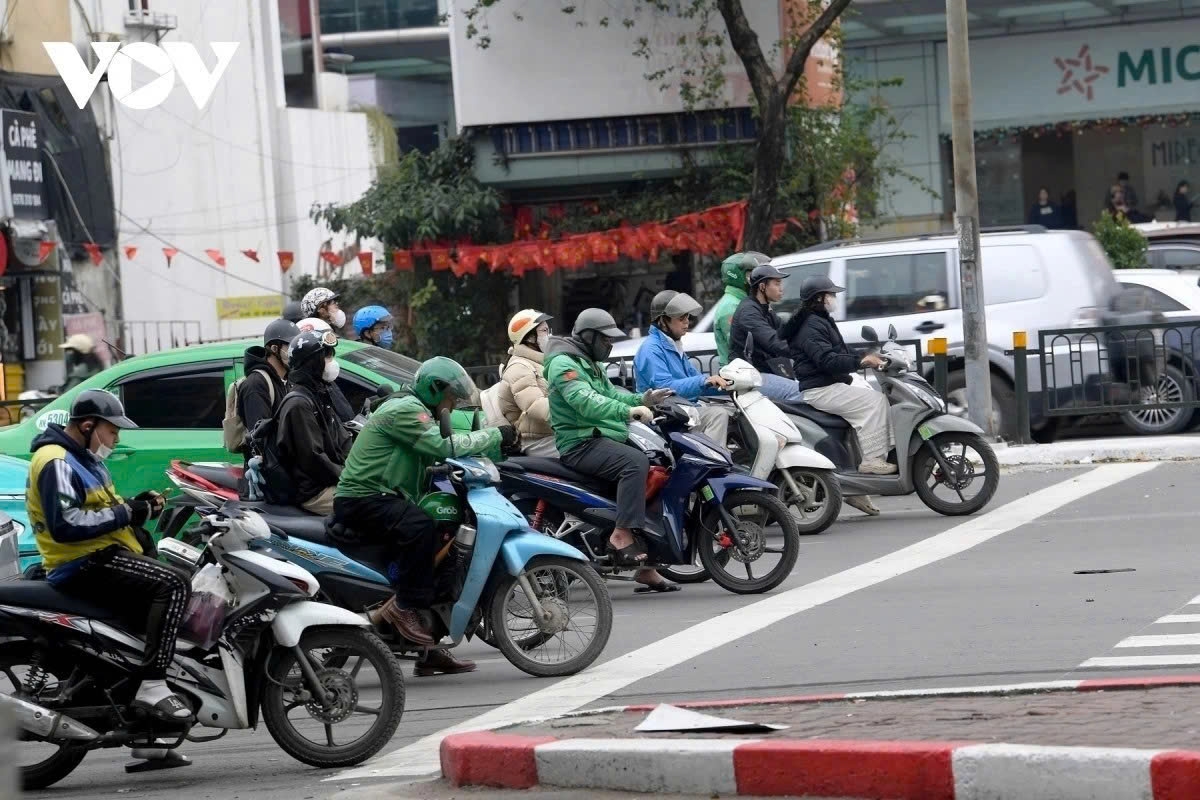
Traffic safety experts say the Government’s Decree 168 has strong deterrent effects, contributing to improved legal compliance and the gradual formation of a road safety culture.
Nguyen Xuan Thuy, a traffic expert, said the decree’s objectives are positive and necessary, but stressed that traffic violations are not caused by driver behaviour alone. Structural constraints, particularly inadequate transport infrastructure, remain a major challenge.
“Many road networks have not kept pace with rapid urbanization and rising vehicle ownership,” Thuy said. “Congested city gateways, narrow roads and obstructed sidewalks continue to place heavy pressure on urban traffic systems.”
He also pointed to weaknesses in public transport, noting that limited routes and poor connectivity have reduced its attractiveness, forcing continued reliance on private vehicles and exacerbating congestion.
To ensure the long-term effectiveness, Thuy said enforcement must be accompanied by broader reforms, including sustained penalties for violations, infrastructure upgrades, expansion of public transport networks and comprehensive application of technology in traffic management. “Only when these measures are implemented in parallel, can road safety improvements be sustained,” he said.
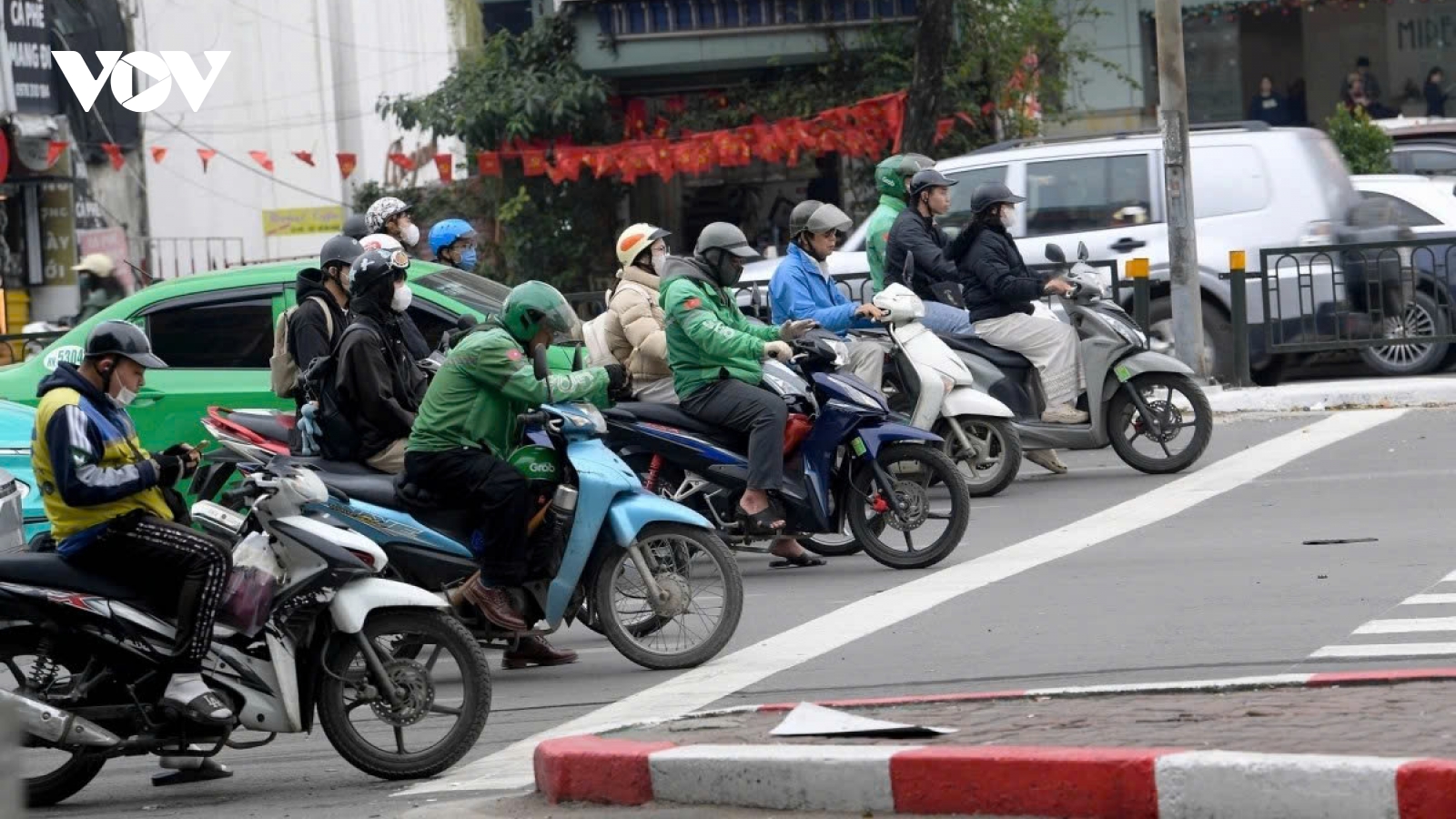
Tran Huu Minh, Chief of Office of the National Traffic Safety Committee, said the decree has already triggered significant changes in public awareness and road behaviour. Common violations such as running red lights, driving on sidewalks, lane encroachment and wrong-way driving have declined sharply, particularly in urban areas.
“In the past, red-light violations were widespread. Now they are rare or have fallen dramatically,” Minh said. “Areas that were previously chaotic have regained order, demonstrating the strong impact of Decree 168 in restoring traffic discipline.”
Minh added that if enforcement is consistent and integrated with complementary measures, traffic order and safety in Vietnam will continue to improve, helping protect lives and foster a more civilized road safety culture.
Building a culture of safe mobility

Colonel Pham Quang Huy, deputy director of the Traffic Police Department under the Ministry of Public Security, said the recent decline in traffic accidents is the result of multiple factors, including more effective state management measures and improved public awareness among road users.
“The implementation of Decree 168 is fundamentally aimed at deterrence by encouraging people to be more conscious of their own safety and that of others, and to correct unsafe and uncivilized driving habits,” Huy said. “The reduction in violations is a positive sign, showing that compliance with traffic laws has improved. The challenge now is to implement measures in a coordinated manner to gradually establish more civilized road-use habits.”
However, Huy acknowledged that enforcement has also exposed persistent challenges related to traffic organisation, infrastructure constraints, vehicle volumes and urban transport planning, particularly in major cities. While public awareness has improved, he said compliance is uneven and violations are relatively high.
“One key issue is that some road users still display a casual attitude toward the law,” Huy said, adding that stronger penalties for deliberate and dangerous violations are necessary to prevent serious accidents and damage to transport infrastructure.
According to the officer, the guiding principle of law enforcement agencies, including the police, is to penalize in order to deter and educate a minority of non-compliant road users, while protecting the vast majority and safeguarding human life and health.
“Traffic accidents claim valuable human resources and leave heavy social and family consequences,” he said. “Simple habits, for instance obeying traffic signals, avoiding reckless overtaking and not driving under the influence pf alcohol can significantly reduce accidents.”
Huy also said the introduction of a driver’s license demerit point system under Decree 168 allows motorists to better manage their behaviour and take greater responsibility, while still meeting daily mobility needs.
Since the decree took effect on January 1, 2025, traffic conditions have shown clear improvement, with sharp declines in red-light violations, wrong-way driving and riding on sidewalks, particularly in large cities.
“People are increasingly complying with traffic laws even without direct police supervision,” Huy said. “This is helping to gradually build a safer, more civilized traffic culture and contribute to a modern, more livable urban environment.”
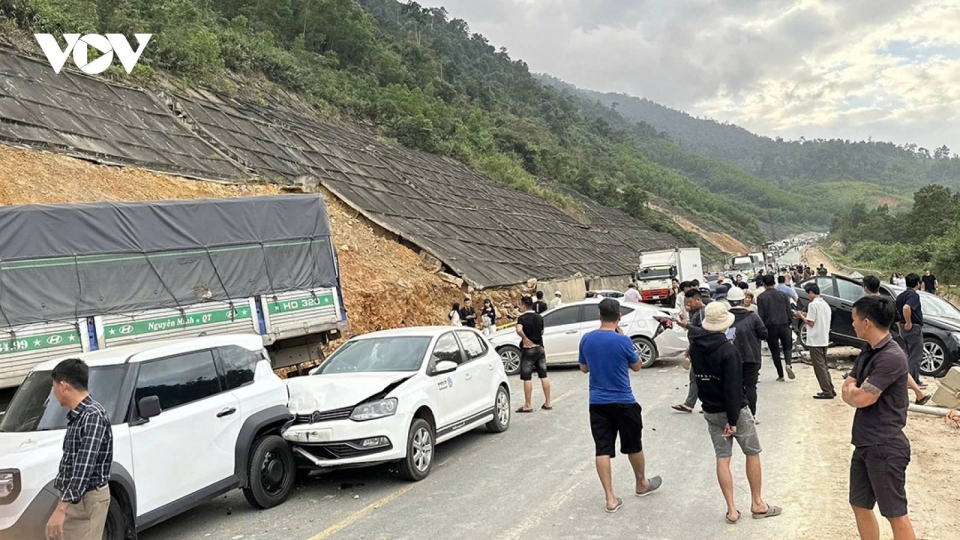
Vietnam reports fewer traffic deaths over 2026 New Year holiday
VOV.VN - Vietnam recorded 196 traffic accidents nationwide during the four-day New Year holiday in early 2026, killing 94 people and injuring 154 others, according to the Traffic Police Department under the Ministry of Public Security.