Students in border areas receive increased support from Government

VOV.VN - The Government has recently issued several new support policies for students in disadvantaged areas, especially in land border regions, aiming to improve their learning and living conditions.
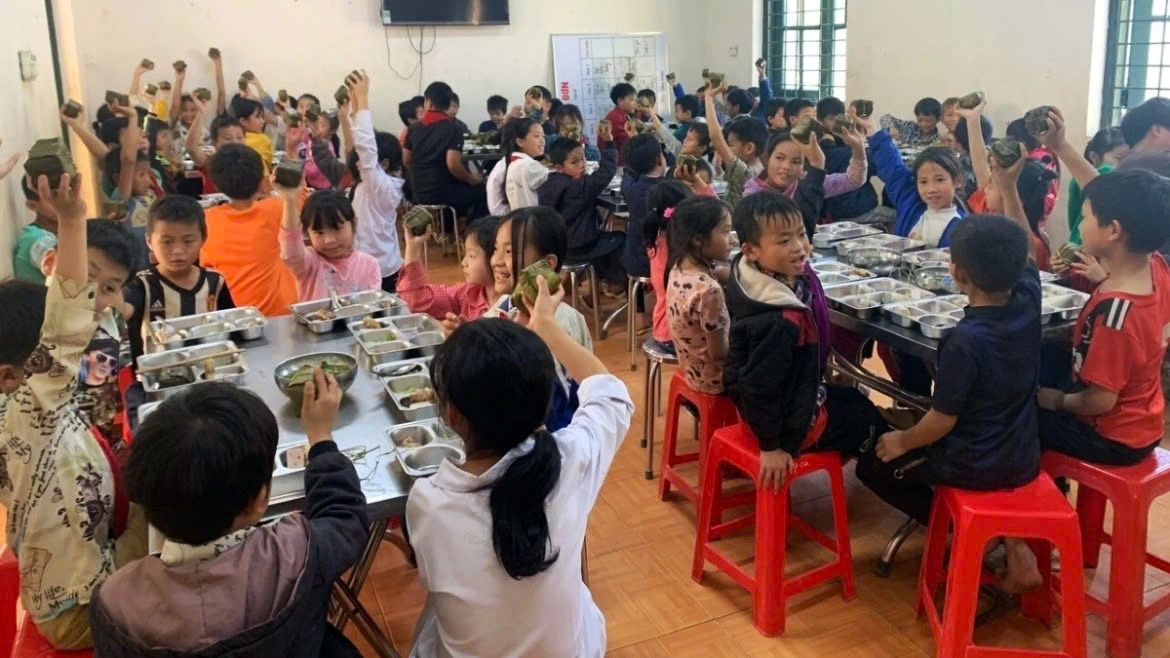
According to Decree 188/2026/ND-CP, effective from July 15, 2026, students at boarding schools and boarding schools in land border communes will receive comprehensive support covering food, rice, school supplies, and living expenses.
Students there will receive VND1,170,000 per month for food and 15 kg of rice per month, applicable for a maximum of 9 months in the school year. For students attending half-day boarding, the support is VND450,000 per month for food and 8 kg of rice per month.
In addition to accommodation costs, each student receives VND2,050,000 per school year to purchase uniforms, notebooks, pens, and other necessary school supplies. Boarding students also receive blankets, mosquito nets, and personal items once at each grade level, with a support amount equivalent to VND2,050,000.
This new policy is considered a significant improvement in educational welfare for students in remote, mountainous, and border areas, where learning, transportation, and living conditions are still challenging.
Notably, first-grade students from ethnic minority groups who learn Vietnamese before entering the main curriculum will receive an additional month of food and rice support. This is seen as a solution to help ethnic minority children become familiar with the language before entering the formal learning environment.
Beyond supporting students, the Decree also provides additional funding for boarding schools to improve care and education conditions. Schools are prioritised for investment in facilities and teaching equipment, and are also allocated operating and maintenance funds at a rate of VND100,000 per student per month.
In addition, funding is provided for organising regular health check-ups, establishing shared medicine cabinets, and organising cultural, sports, and specialised educational activities for students.
According to the Government, the policy aims to ensure educational opportunities for students in disadvantaged areas, contributing to narrowing the educational gap between regions and retaining students in school.

Education Ministry adopts single textbook set from 2026–2027 school year
VOV.VN - The Ministry of Education and Training (MoET) has decided to adopt a single nationwide textbook set starting from the 2026–2027 academic year, citing insufficient time to develop a new series.