Strong cold spell grips northern Vietnam, frost and ice risk in mountains

VOV.VN - A strong cold air mass began affecting northern Vietnam from midday on February 7, bringing widespread cold conditions, with severe cold, frost and possible snowfall forecast for high mountain areas over the weekend, weather authorities said.
According to the National Centre for Hydro-Meteorological Forecasting, the cold front first hit the Northeastern mountains in the afternoon before strengthening and spreading across the entire northern region by night, then extending southward to the north-central and central regions.
The cold spell is expected to peak on February 8–9, when most of the northern region will experience severe cold, with extreme cold conditions in mountainous areas.
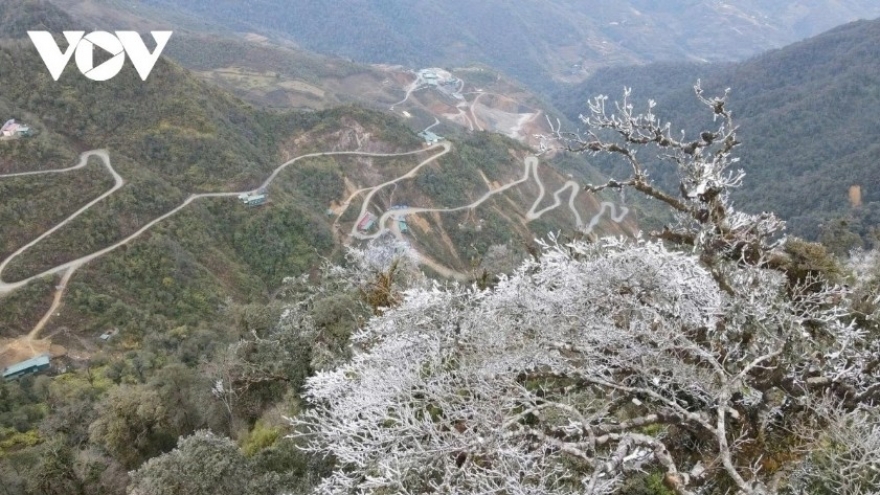
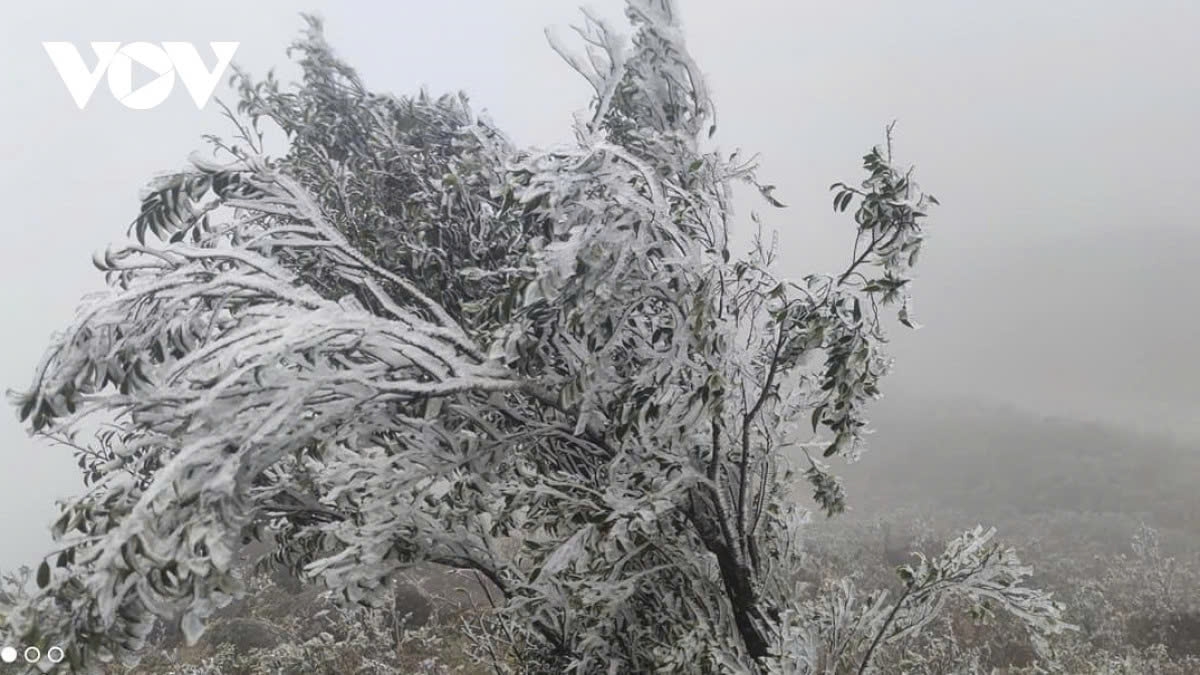
Minimum temperatures are forecast at 10-13°C in the Red River Delta and midland areas, 7-10°C in mountainous regions, and below 3°C in high-altitude areas, raising the risk of frost, ice and snowfall, forecasters said.
Daytime highs are expected to range from 16-18°C, falling below 13°C in mountain areas, with rain further intensifying wind chill.
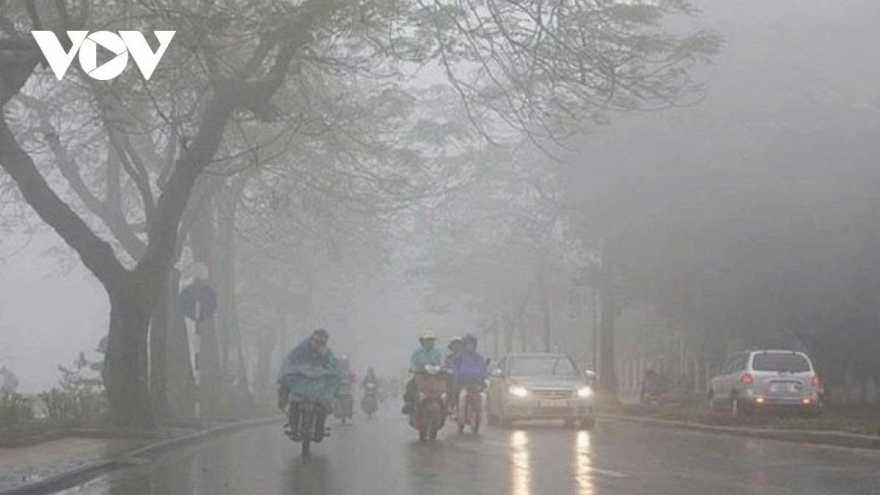
In Hanoi and the northeast, skies will be overcast with scattered rain and northeasterly winds at 12-19km/h. The northwest will see isolated showers, with brief sunny spells during the day, but temperatures are forecast to drop sharply overnight.
The cold air mass is expected to reach the central region from February 8, with north-central provinces most affected. Minimum temperatures there are forecast at 12-15°C, while Thanh Hoa and Nghe An provinces could see severe cold on February 9, with lows of 12-14°C.
From Feb 7 to Feb 9, areas from Ha Tinh to Da Nang, as well as parts of Quang Ngai to Gia Lai provinces, may experience showers and thunderstorms, with locally heavy rainfall.
Authorities have urged northern and north-central provinces to closely monitor developments, promptly inform local authorities and residents, and activate cold-weather response plans.
They have warned against the use of charcoal stoves in enclosed spaces and called for additional measures to protect students, particularly those in boarding schools. The agriculture sector has been advised to reinforce livestock shelters, stockpile feed, and protect crops from cold damage.
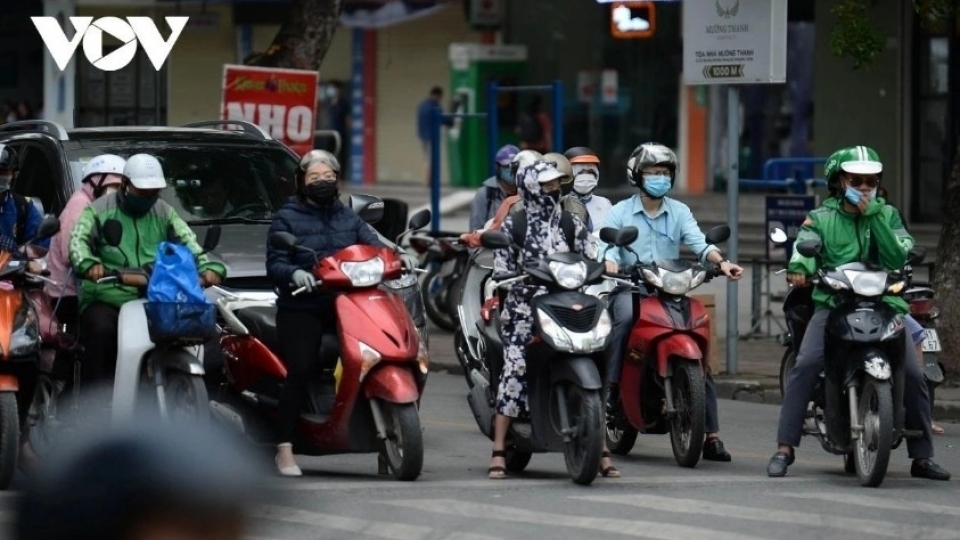
Cold front moves south, bringing colder weather to northern Vietnam
VOV.VN - A cold air mass is moving southward and is expected to bring colder conditions to northern Vietnam from January 31, according to the National Centre for Hydro-Meteorological Forecasting.