Starlink satellite internet in Vietnam expected to cost US$85 per month

VOV.VN - The Starlink satellite internet service for individual users in Vietnam is expected to cost about US$435 in the first month, including equipment and subscription fees, according to the Vietnam Telecommunications Authority under the Ministry of Science and Technology.
The amount includes roughly US$350 for the terminal equipment and US$85 for the monthly subscription fee. From the second month onward, users would pay about US$85 per month to maintain the connection.
SpaceX, the provider of Starlink, is the first foreign company authorised by Vietnam to pilot satellite internet services. To access the system, customers must first purchase the satellite receiver kit before registering for a subscription. After installation, users pay a monthly fee to maintain connectivity. Starlink applies a flat-rate pricing model, meaning charges are not based on data usage.
Regulators said the above pricing represents a proposed business plan submitted by Starlink. The official price will be determined once the company begins providing services and formally declares its tariffs. The final cost will depend on several factors, including the completion of gateway infrastructure and operational cost calculations during deployment.
Nguyen Anh Cuong, deputy director of the Vietnam Telecommunications Authority, said the proposed price is reasonable compared with global levels. He noted that Starlink currently applies relatively similar pricing across countries in the same region, with comparable rates seen in parts of Europe, Southeast Asia and Africa.
Starlink currently costs about PHP2,700 (around US$50) per month in the Philippines, and about IDR750,000 (around US$45) in Indonesia. In Europe, including Germany and France, monthly subscriptions range between EUR40 and EUR70. In Japan, users pay around JPY6,000– JPY7,000 (US$45–US$50) per month, while in the United States, the residential plan costs about US$120 per month.
In addition to residential packages, Starlink also offers business plans at higher prices. These plans support more devices and provide priority bandwidth. The company also provides packages for mobile vehicles, maritime vessels and aviation, which cost more due to specialised equipment requirements.
Cuong said that in terms of both service quality and pricing, satellite internet is unlikely to directly compete with terrestrial telecom networks in Vietnam. However, it could help meet connectivity needs in areas where telecommunications infrastructure remains unavailable.
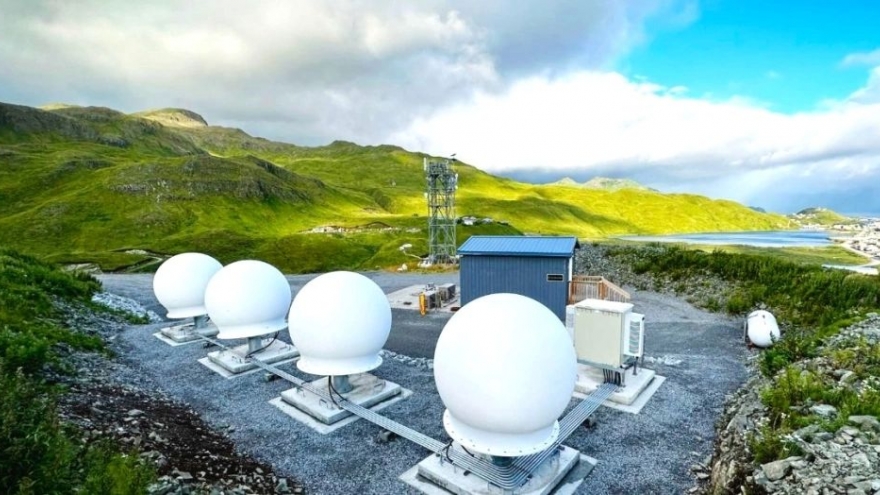
During the initial phase, the service is expected to deploy four gateway stations and support up to 600,000 terminal devices. The Vietnam Telecommunications Authority revealed that this scale remains small compared with the country’s fixed broadband market of about 25 million subscribers, meaning Starlink devices would represent only about 1–2% of the market share.
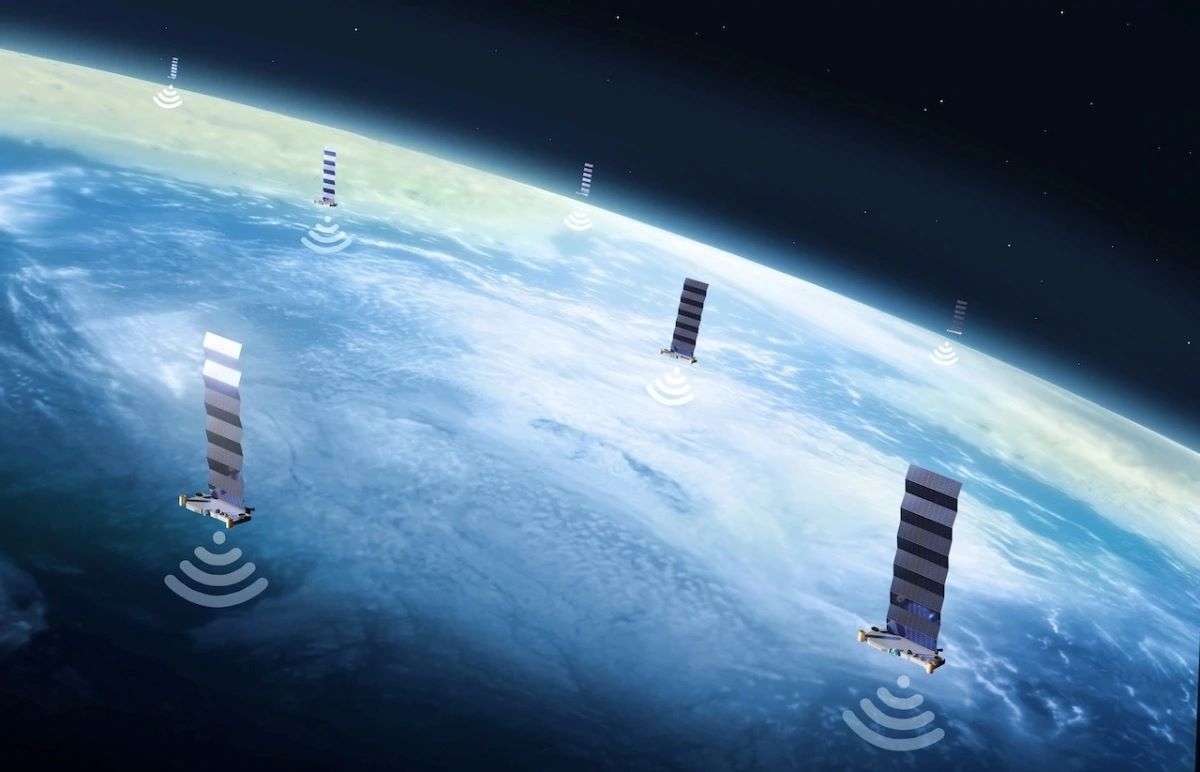
Starlink is a satellite internet service developed by SpaceX, owned by billionaire Elon Musk. The system operates using low-Earth-orbit satellites at an altitude of about 550 km, significantly lower than traditional geostationary satellites located more than 35,000 km above Earth.
Low-Earth-orbit satellite internet is expected to complement existing telecommunications infrastructure, improving connectivity in areas where terrestrial transmission networks are difficult to deploy while also enhancing network redundancy. The technology could also contribute to strengthening digital infrastructure in support of the country’s digital economy, digital society and national digital transformation efforts.
SpaceX’s Starlink licensed to provide satellite internet services in Vietnam
VOV.VN - SpaceX’s Starlink has been licensed to provide satellite internet services in Vietnam, marking the company’s formal market entry through a locally incorporated subsidiary, according to official business registration records.