RoK’s Jinan county receives additional seasonal workers from Vietnam

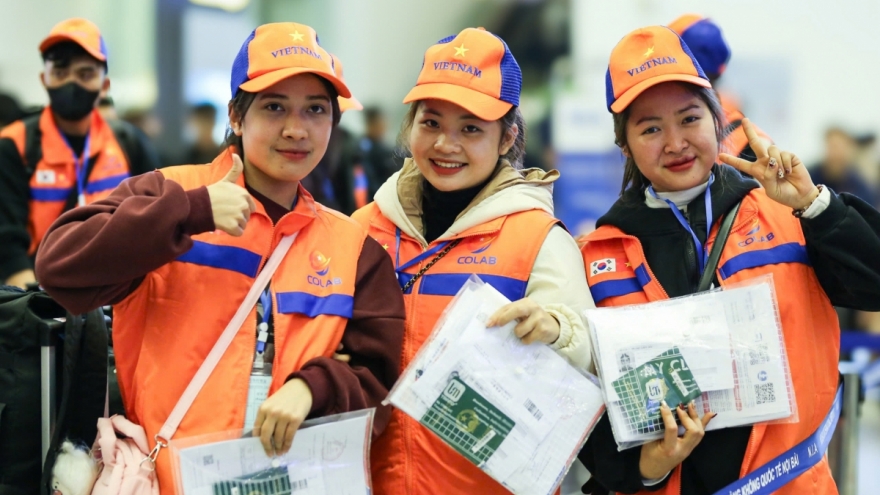
VOV.VN - Jinan county in the Republic of Korea (RoK)’s North Jeolla province received 65 seasonal workers from Quang Ngai province, central Vietnam on April 10 under a cooperation agreement between the two localities, as part of efforts to ease acute labor shortages in agriculture.
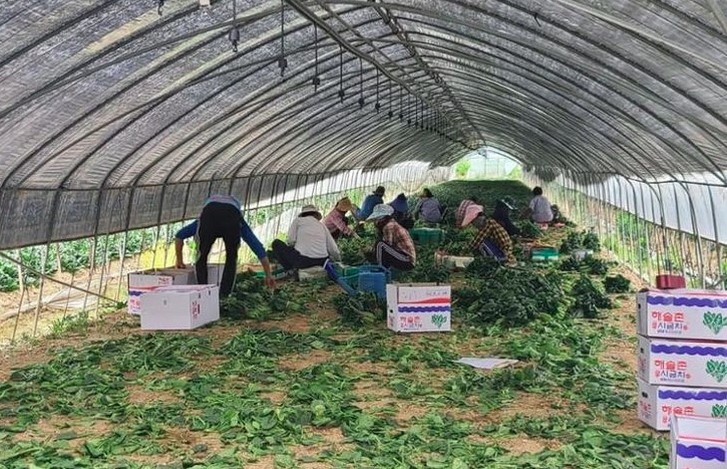
According to the county government, the newly arrived workers will undergo initial training on human rights protection and compliance with RoK law before being assigned to farms across the area.
The Vietnamese workers will join 187 seasonal workers from other countries supporting local agricultural production. The county also plans to receive around 130 additional workers from the Philippines in the coming period to supplement its agricultural workforce.
To help workers adapt to working and living conditions, the county government is working with the Jinan Rural Workforce Support Center to provide Vietnamese and English interpretation services, along with initial support for daily living.
Under current plans, the number of foreign seasonal workers allocated to Jinan is expected to reach 987 in 2026, making them a key workforce sustaining local agricultural production.
The RoK’s seasonal foreign worker program is an important measure to resolve labor shortages in agriculture caused by population ageing and a decline in the rural workforce.
Launched around 2015, the program operates through cooperation between local governments in the RoK and overseas localities, including those in Vietnam and the Philippines.
Workers typically enter the RoK on short-term visas (C-4 or E-8), with employment periods ranging from three to eight months, mainly during peak farming seasons. Unlike the Employment Permit System (E-9), seasonal workers are not allowed to switch to long-term residency, helping control the scale of immigration.
Recruitment is coordinated by local governments, limiting the role of private brokers and reducing risks of illegal employment. After arrival, workers receive training on legal regulations, occupational safety and human rights protection before starting work on farms.
The RoK has also strengthened measures to protect migrant workers’ rights, including ensuring minimum wages, providing basic insurance and offering medical support. Many localities provide interpretation services and support for daily living to help reduce language barriers.
4,200 Vietnamese workers to be sent to RoK under EPS programme in 2026
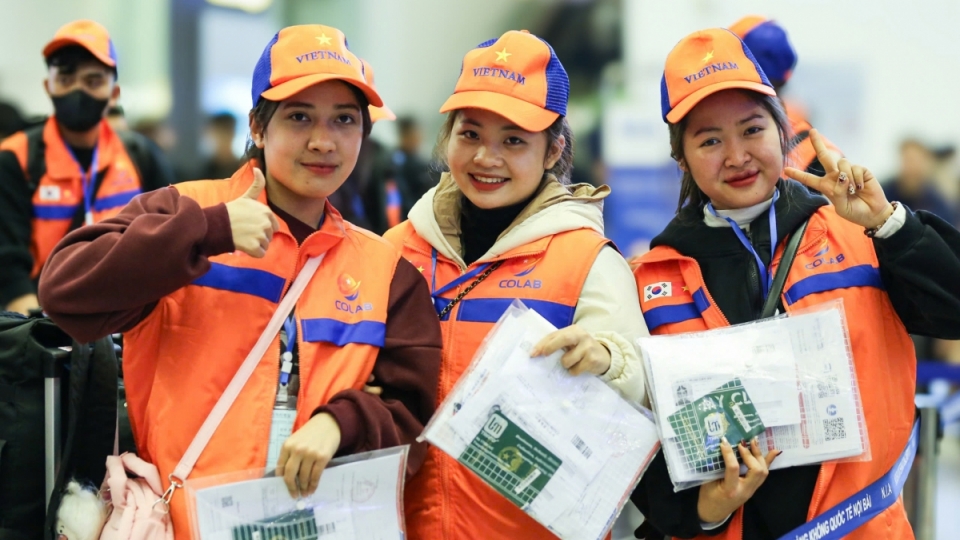
VOV.VN - Vietnam will send 4,200 workers to the Republic of Korea (RoK) in 2026 under the Employment Permit System (EPS), according to a plan agreed between Ministry of Home Affairs of Vietnam and Ministry of Employment and Labour of the Republic of Korea.
Japan and RoK continue to attract Vietnamese workers
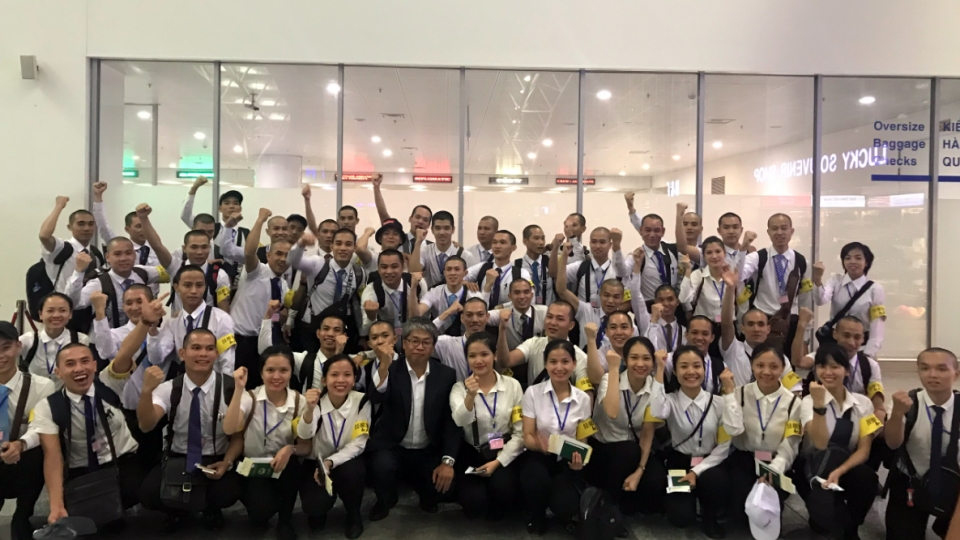
VOV.VN - In recent years, Japan and the Republic of Korea (RoK) remain top destinations for Vietnamese workers, offering diverse job opportunities, stable incomes, and clear employment contracts.