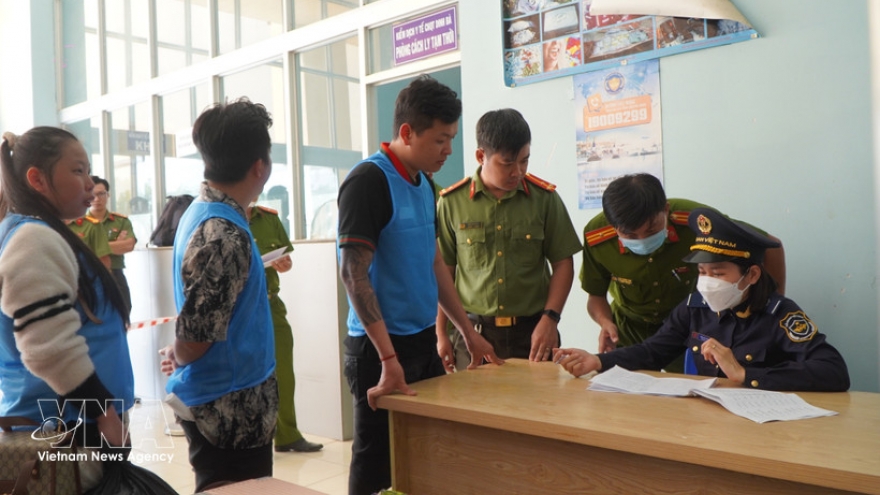
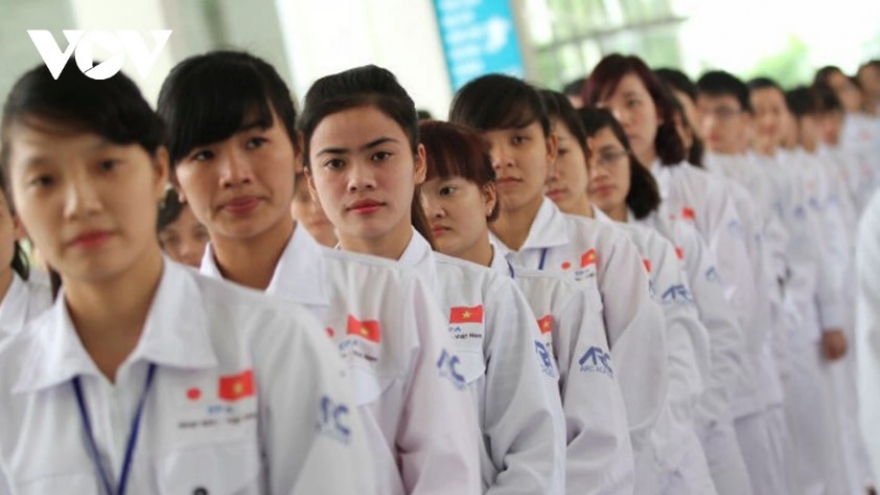
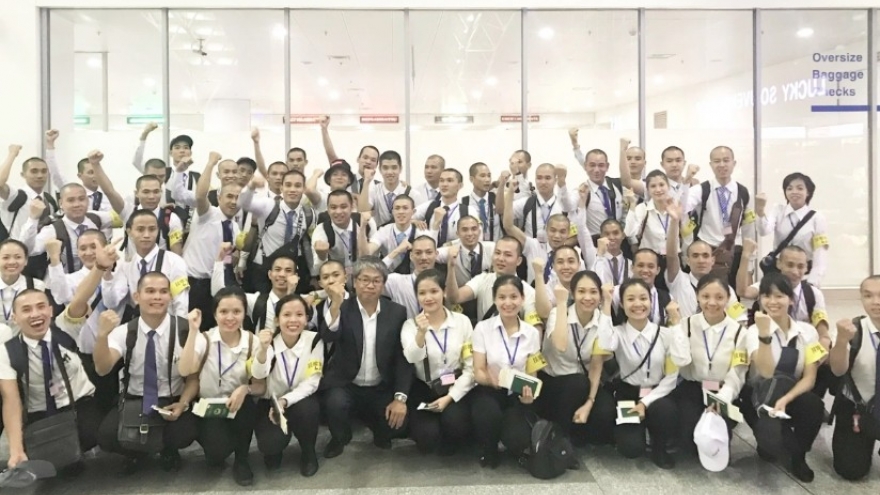
Japan and RoK continue to attract Vietnamese workers

VOV.VN - In recent years, Japan and the Republic of Korea (RoK) remain top destinations for Vietnamese workers, offering diverse job opportunities, stable incomes, and clear employment contracts.
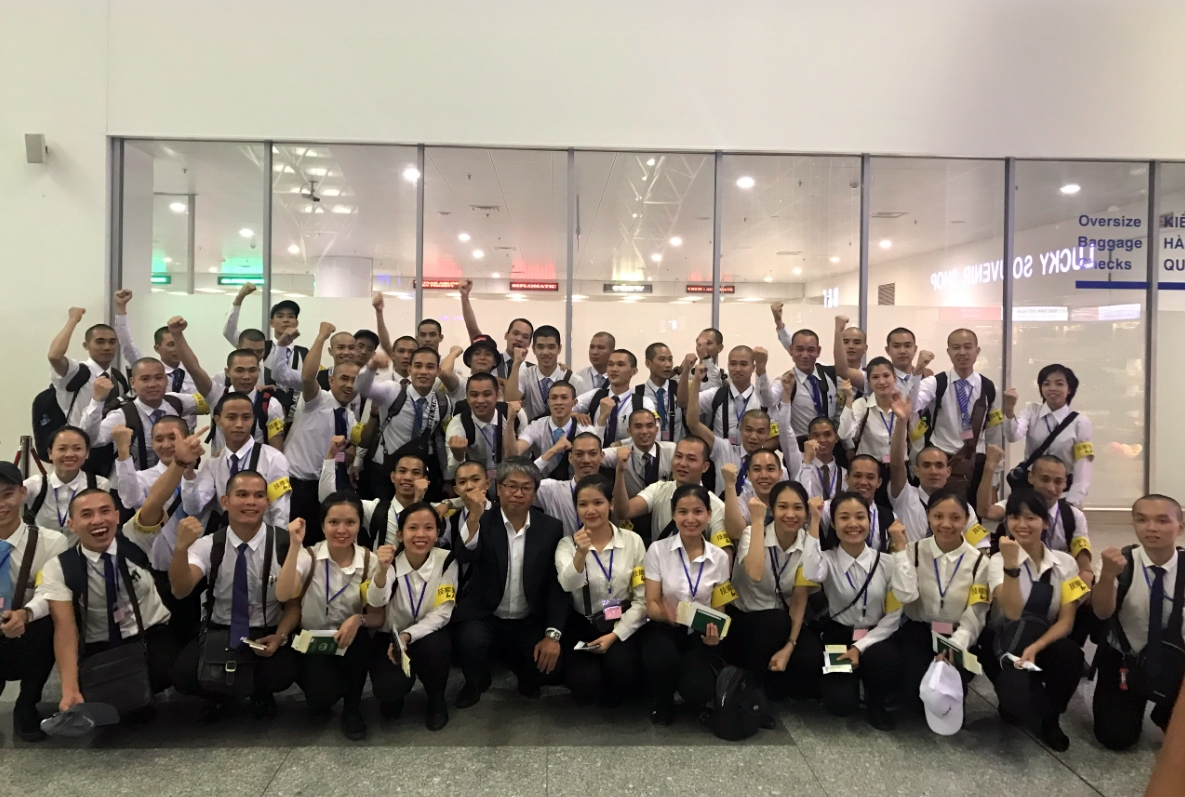
Traditional markets like these continue to be the preferred choice for Vietnamese labourers, while Taiwan also receives a significant number of Vietnamese workers.
In 2025, Vietnam sent over 144,000 labourers abroad under contract, exceeding the planned target by 11%. Japan received the largest number with over 64,600 workers, followed by Taiwan with more than 57,000, and the RoK with over 11,600 labourers.
For the RoK, those wishing to participate in the Employment Permit System (EPS) must pass a Korean language test. According to Nguyen Nhu Tuan, deputy head of the Asia–Africa Market Division, Vietnam’s computer-based Korean language test for 2026 will be held from May 18 to May 20, for those who have completed EPS contracts and wish to re-enter the Korean market. Applicants must be between 18 and 39 years old, and detailed information is available on Overseas Labour Management Department website under the Ministry of Home Affairs at dolab.moha.gov.vn.
Regarding the Japanese market, Vietnamese labourers participate in multiple programmes, including high-quality healthcare training programmes, sending nurses and care workers to medical facilities, the Technical Intern Training Program (IM Japan), and the Specified Skilled Worker program for general labour. Vietnamese workers in Japan mainly work in elderly care, manufacturing, food processing, construction, agriculture, and tourism/hospitality.
Tuan advised workers planning to go to Japan to contact licensed labour service enterprises approved by the Ministry of Home Affairs to select suitable job placements. A list of these licensed enterprises is available on the Overseas Labour Management Department website.
Sending Vietnamese workers abroad has not only enhanced the country’s reputation in international labour markets but also helped create jobs, improve living standards, and train human resources with modern skills and industrial work habits. The knowledge and experience gained abroad can be applied domestically, boosting income and contributing to Vietnam’s socio-economic development.
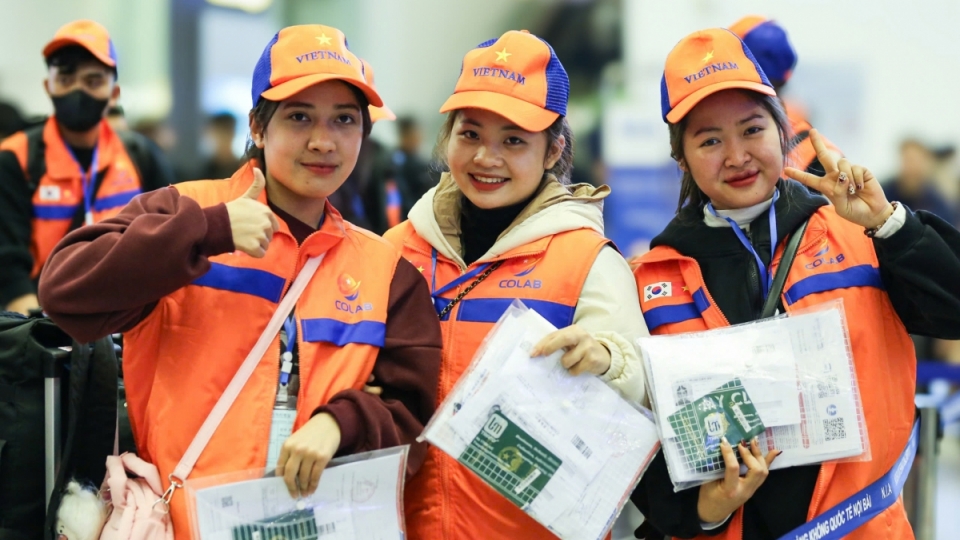
4,200 Vietnamese workers to be sent to RoK under EPS programme in 2026
VOV.VN - Vietnam will send 4,200 workers to the Republic of Korea (RoK) in 2026 under the Employment Permit System (EPS), according to a plan agreed between Ministry of Home Affairs of Vietnam and Ministry of Employment and Labour of the Republic of Korea.