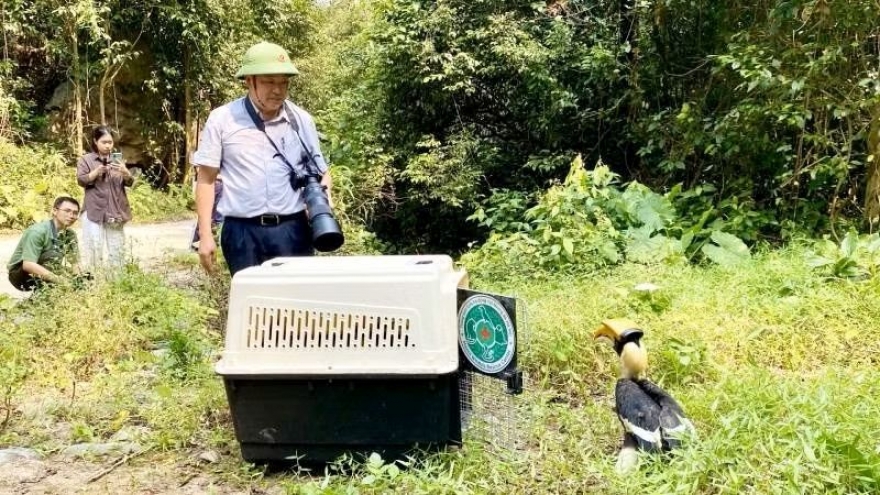
Rare pygmy slow loris released back into the wild

VOV.VN - A rare pygmy slow loris has been safely released back into the wild after being voluntarily handed over by a local resident in Da Nang.
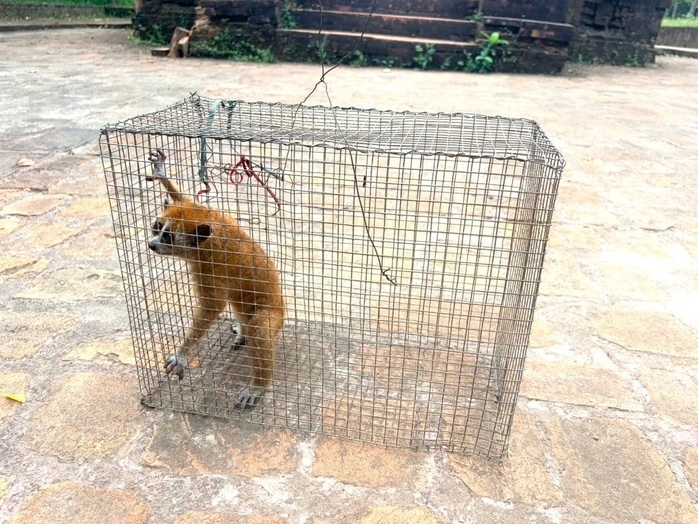
According to the Management Board of the My Son World Cultural Heritage, the animal was recently transferred to the People’s Committee of Dai Loc Commune in coordination with the inter-communal Forest Protection Unit No. 3.
The rescued animal, scientifically known as Xanthonycticebus pygmaeus (Nycticebus pygmaeus), is an extremely rare wild species classified as endangered in both the Vietnam Red Book and the International Union for Conservation of Nature (IUCN) Red List, facing a very high risk of extinction in the wild.
In Vietnam, the species is listed under Group IB, which includes endangered, precious and rare animals prioritised for protection. Hunting, killing, breeding, transporting or trading the species illegally is strictly prohibited and subject to severe penalties.
After receiving the animal, authorities conducted health checks, completed the required procedures and released it back into a suitable natural forest habitat.
Last December, the management board and relevant agencies also received another pygmy slow loris voluntarily handed over to local authorities in Dien Ban Dong Ward. Following a period of care and health assessment, the animal was safely released into the wild.
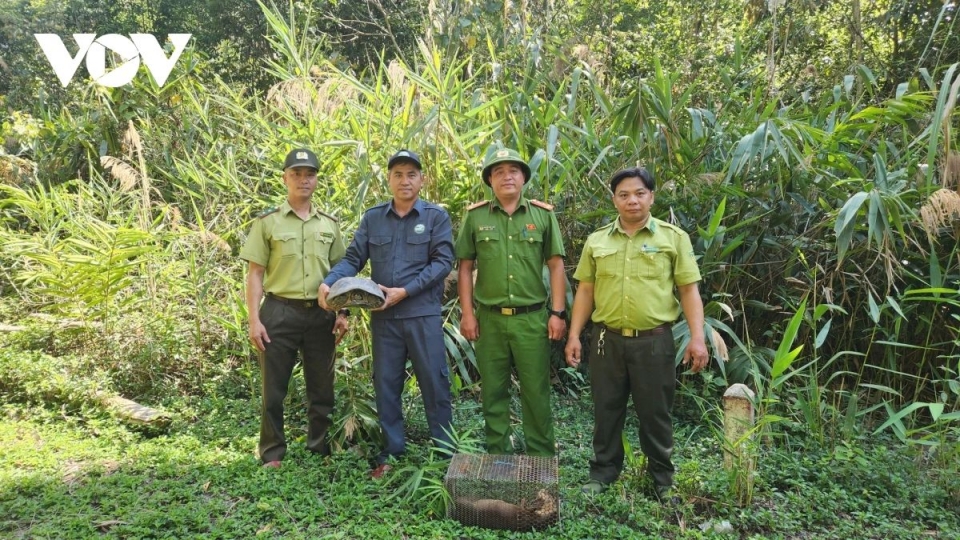
In March 2026, the My Son World Cultural Heritage Management Board and Forest Protection Unit No. 3 also received and released a Keeled Box Turtle (Cuora mouhotii).
According to specialists, the animal is classified as an endangered and rare species under the Convention on International Trade in Endangered Species of Wild Fauna and Flora (CITES), and is also listed under Group IIB in Vietnam’s regulations on the management and protection of endangered wildlife species.
Conservation agencies continue encouraging people to report and voluntarily surrender rare wildlife species in order to support biodiversity protection and combat illegal wildlife trade.
Rare endangered animals released back into Kon Ka Kinh forest
VOV.VN - Competent agencies have released eight endangered and rare wild animals back into their natural habitat at Kon Ka Kinh National Park, Gia Lai province, after months of rescue, treatment and rehabilitation.