


Prime Minister orders tougher action against exam fraud

VOV.VN - The Prime Minister has ordered tougher action against exam fraud, including the use of high-tech devices and artificial intelligence, alongside stricter oversight and an end to achievement-driven pressure in schools.
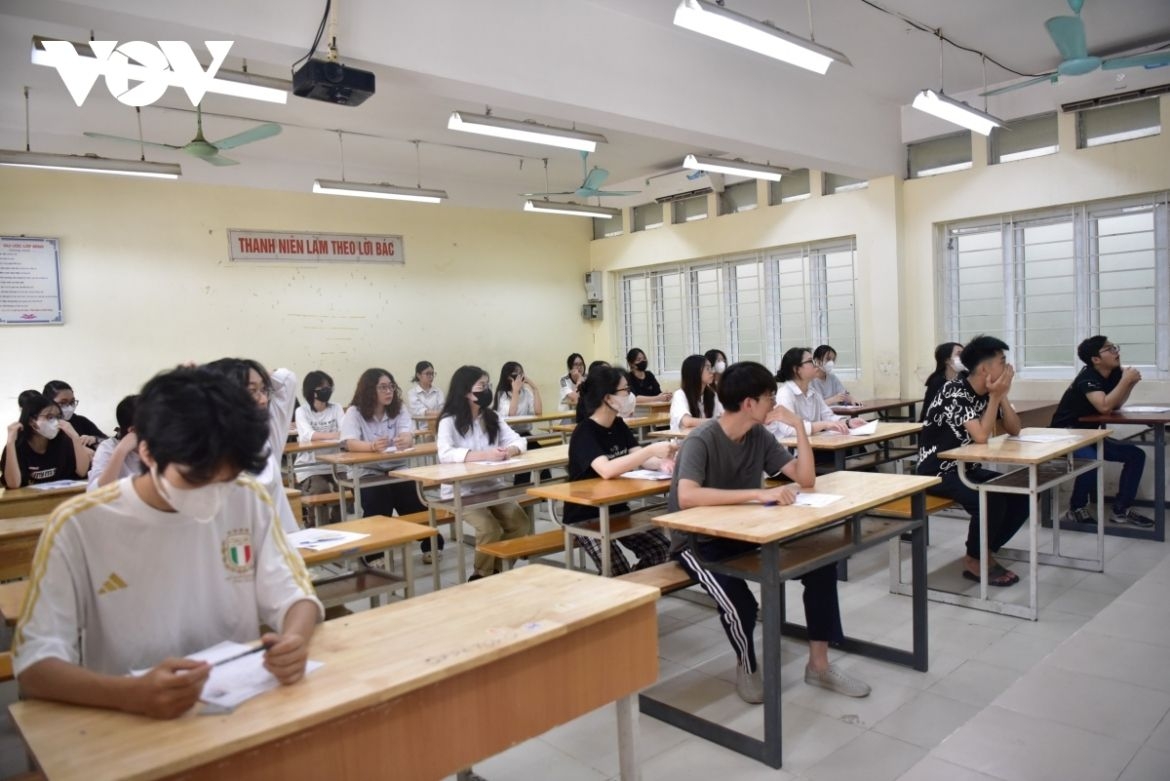
The directive comes amid renewed scrutiny of exam integrity following serious irregularities in Vietnam’s 2026 upper secondary graduation examinations. At a test centre at Tuyen Quang High School for Gifted Students, authorities cancelled the original results and required candidates to retake all subjects after investigators identified widespread violations. Police had charged 29 suspects in connection with the case by early August.
Under Directive No. 37/CT-TTg, signed on October 20 by Deputy Prime Minister Le Tien Chau, the Prime Minister calls for a shift from responding to violations to preventing them before they occur. Education authorities must review examination rules, strengthen independent oversight of high-risk stages and take strict action against cheating, including impersonation, plagiarism, leaked examination papers, score manipulation and the use of sophisticated technology to gain an unfair advantage.
The directive also targets the pressure to deliver high academic results. Schools and education authorities must not use the proportions of high-achieving students, graduation rates or examination results alone to determine performance rankings or rewards.
The Ministry of Education and Training is required to review relevant regulations, while local authorities must strengthen supervision and ensure that anyone who facilitates or conceals misconduct is held accountable.
Other measures feature the use of cameras, metal detectors and technical safeguards at high-risk examination stages, improved data systems to identify suspicious results, and a phased move towards computer-based testing when conditions permit.
The directive also requires stronger rules on academic integrity, including the improper use of artificial intelligence in examinations and research.
The overarching principle is that academic results must reflect students’ actual abilities, with fairness, transparency and integrity upheld throughout education. The directive makes clear that violations must be dealt with strictly, without exceptions.
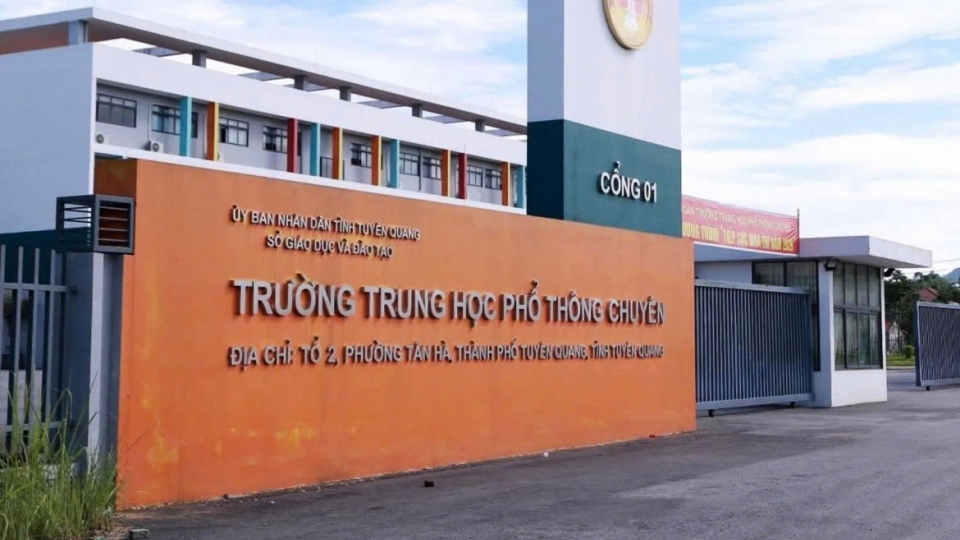
Education Ministry cancels exam results, orders retake in Tuyen Quang
VOV.VN - The Ministry of Education and Training (MOET) has annulled all results from the 2026 national high school graduation examination at a test site in Tuyen Quang province and ordered candidates to retake all subjects after an initial investigation found widespread violations affecting the integrity of the exam.


