


Potential for Vietnam-China cooperation in pollution-control technologies

VOV.VN - China and Vietnam boast huge potential to bolster cooperation and share technologies for treating emissions, wastewater, noise pollution, solid waste and hazardous waste, according to Zheng Zewen, an official with the Environmental Protection Bureau of Guangzhou in China’s Guangdong province.
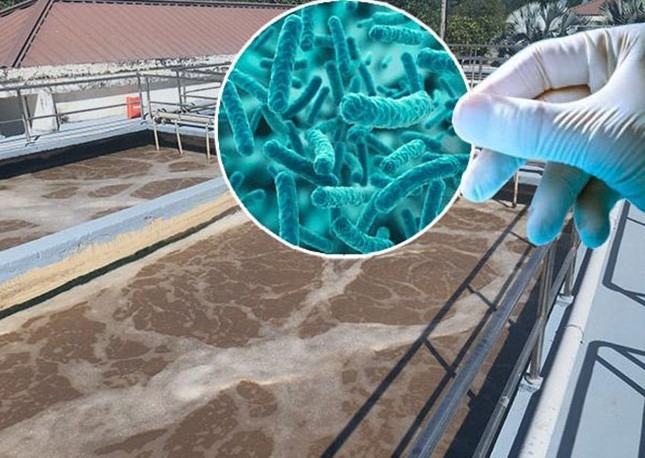
Speaking to the press in China, Zheng said greater cooperation in environmental technologies could help reduce negative impacts on ecosystems, strengthen biodiversity conservation and promote a more harmonious relationship between people and nature.
According to Zheng, Vietnam’s development goals, like China’s, place people at the centre. In that context, Guangzhou’s experience, and China’s experience more broadly, is able to provide useful reference points. He identified the integration of environmental protection into economic development, stronger legal and policy safeguards, and greater emphasis on pollution prevention through practical measures as among the key lessons learned.
Guangzhou has accumulated extensive experience in environmental protection and that both sides can enhance exchanges, connectivity and practical cooperation in this field. He also noted that many entrepreneurs from Guangdong are interested in the Vietnamese market and frequently visit Vietnam to explore business opportunities, exchange views and pursue cooperation, contributing positively to relations between the two sides.
As climate change and environmental challenges continue to intensify, promoting green development, protecting ecosystems and using natural resources more efficiently have become common priorities for many countries.
Vietnam and China both attach importance to sustainable development and people-centred growth, thus providing further opportunities for cooperation in areas such as green transition, pollution control, biodiversity conservation and climate change response.
Expanding the sharing of experience, technologies and environmental management models could help support higher-quality development in both countries while contributing to a more sustainable ecological environment across the region.
Vietnam-China youth exchanges highlighted at cultural, tourism, education event
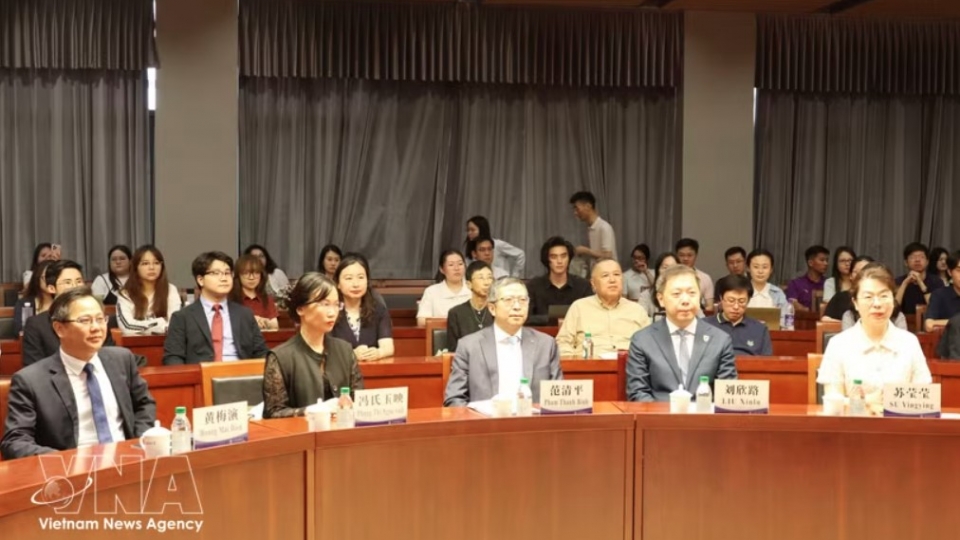
A Vietnam-China cultural, tourism and educational exchange programme was held at the Beijing Foreign Studies University (BFSU) on June 3, bringing together lecturers and students from leading Chinese universities to discuss the role of youth in strengthening people-to-people ties between the two countries.

