Philippine woman undergoes complex Graves’ disease surgery in Vietnam

VOV.VN - A 53-year-old Philippine woman has successfully undergone complex Graves’ disease surgery at Hanoi-based National Hospital of Endocrinology after years of failed medical treatment caused by severe allergic reactions to multiple anti-thyroid medications.
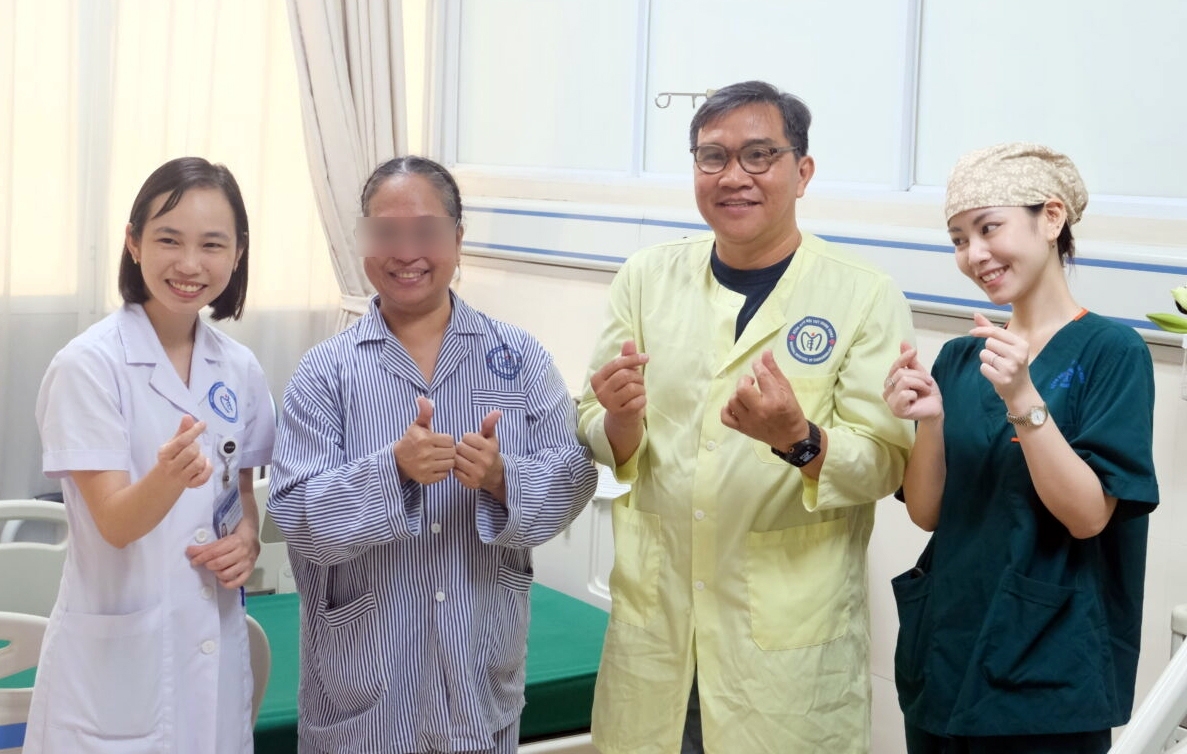
San Miguel Vera Vidames, who currently lives in Thanh Hoa province, was diagnosed in late 2024 with Graves’ disease, thyroid nodules in both lobes, hypertension and type 2 diabetes.
According to doctors, the patient experienced repeated allergic reactions to several commonly prescribed anti-thyroid drugs, including PTU, Navacarzol, Carbimazole and Thyrozol. Even low doses of Carbimazole triggered allergic symptoms, while reducing medication dosage caused the disease to relapse multiple times.
The prolonged condition significantly affected her health and daily life. After multiple medical consultations, specialists decided that total endoscopic thyroidectomy was the most suitable treatment option.
Although the patient had opportunities to receive treatment abroad, she chose surgery in Vietnam because of her confidence in the expertise of Vietnamese doctors.
The operation was led by Associate Professor Dr. Tran Ngoc Luong and surgeons from the hospital’s thyroid surgery department. Doctors said the surgery was completed successfully, and the patient recovered quickly after the procedure.
Following surgery, she was able to eat, speak and move normally before being discharged from the hospital after six days of treatment.
Dr. Nguyen Anh Ngoc from National Hospital of Endocrinology explained that the patient’s thyroid gland was enlarged and contained multiple nodules, making radioactive iodine therapy unsuitable. In this case, surgery was considered the most effective long-term solution for controlling the disease.
After the operation, the surgical wound healed well and thyroid hormone levels returned to normal. The patient did not experience common complications such as hoarseness, breathing difficulties or hypocalcemia.
Doctors at the National Hospital of Endocrinology said surgery can be particularly effective for complicated Graves’ disease cases, especially among patients who are allergic to anti-thyroid medications or experience repeated relapses.
In recent years, the hospital has received increasing numbers of international patients seeking treatment for endocrine disorders and thyroid surgery. Many foreign patients have praised both the hospital’s modern surgical techniques and the dedication of Vietnamese medical staff.
The “Dr Luong” endoscopic thyroid surgery technique was developed in the early 2000s by Associate Professor Dr. Tran Ngoc Luong, former director of the National Hospital of Endocrinology, at a time when thyroid surgery worldwide was still primarily performed using open surgery methods.
According to Dr. Luong, the technique was designed not only to improve treatment outcomes but also to eliminate the large visible neck scars commonly associated with conventional thyroid surgery, particularly for female patients.
In 2003, Dr. Luong and his colleagues performed the first successful surgery using the method at the hospital. Instead of leaving a long scar across the neck, patients only required two small incisions of approximately one centimeter located under the arm and near the chest. The minimally invasive approach also significantly reduced hospitalisation time.
The “Dr Luong” thyroid surgery method is considered one of Vietnam’s notable medical innovations and has helped strengthen the country’s growing reputation in advanced endocrine and minimally invasive surgery.
Inter-hospital coordination saves cardiac arrest patients from acute heart attacks
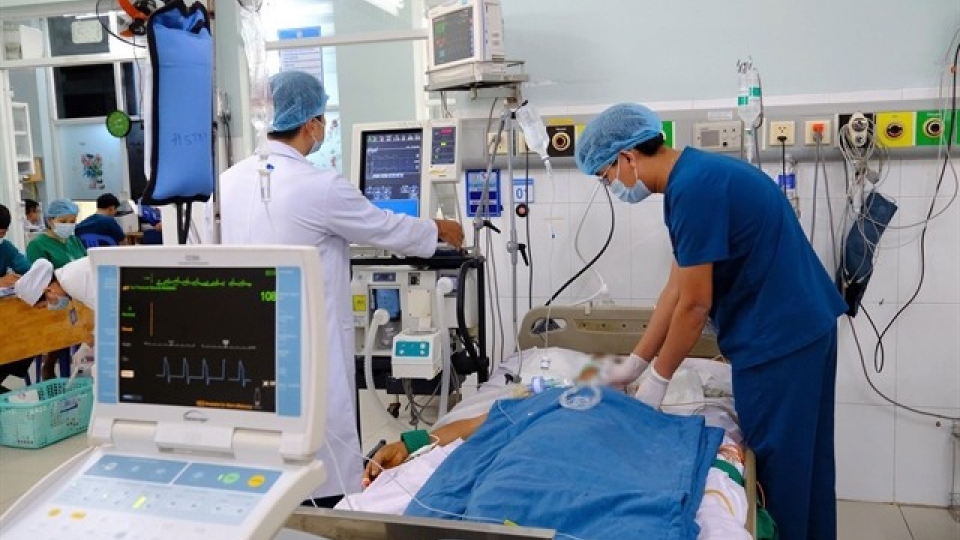
Doctors at Thu Duc General Hospital have successfully treated a series of critically ill patients with acute myocardial infarction, including cases complicated by cardiac arrest and ventricular fibrillation, with both carrying a high risk of death without rapid intervention.