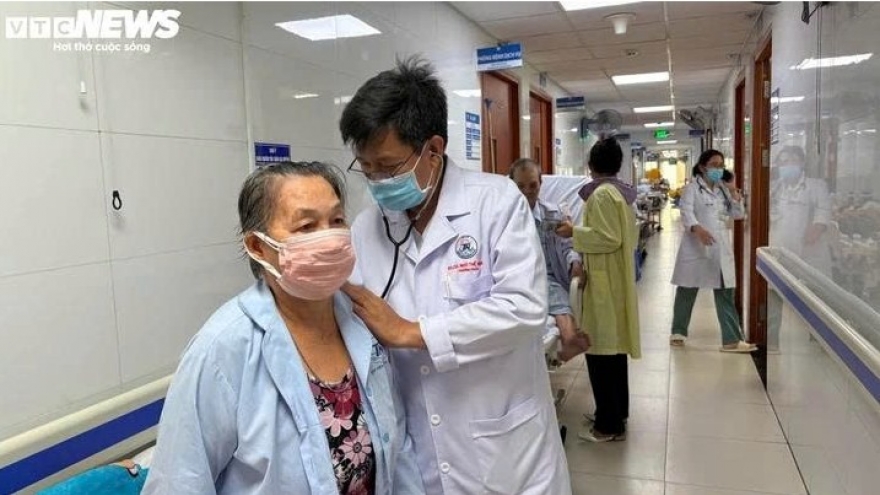
Nipah outbreak risk in Vietnam low, but vigilance still needed: experts

VOV.VN - Vietnamese health experts say the likelihood of a large-scale Nipah outbreak remains low following reports of infections in India, but stress that vigilance and basic preventive measures are still essential.
According to Indian authorities, five Nipah cases linked to a private hospital near Kolkata, India’s third-largest city with about 4.5 million residents, have been confirmed. Around 100 people have been asked to self-isolate at home, while 30 high-risk contacts are under close medical monitoring.
The developments have prompted neighbouring countries to strengthen entry screening. Thailand has introduced health checks for travelers arriving from India at Suvarnabhumi, Don Mueang and Phuket airports. Nepal has increased surveillance at Tribhuvan International Airport in Kathmandu and at land border crossings with India. Taiwan (China) plans to classify Nipah infection as a Category 5 notifiable disease - the highest level reserved for emerging or rare diseases posing serious public health risks. Hong Kong (China) has also stepped up health screening for passengers from India.
The World Health Organisation (WHO) lists Nipah virus among priority pathogens requiring urgent research due to its high fatality rate and the absence of approved vaccines or specific treatments.
The Ministry of Health confirmed on January 27 Vietnam has so far not recorded any Nipah cases. It instructed localities to strengthen epidemiological surveillance at border gates, healthcare facilities and in communities, and to stay ready to respond to any suspected cases.
Associate Professor Dr. Tran Dac Phu, former Director of the Department of Preventive Medicine (now the Department of Disease Control under the Ministry of Health), said Nipah is a particularly dangerous infectious agent that can cause high fever, respiratory failure and encephalitis, with a high mortality rate. However, he noted that historically the disease has only been reported sporadically in a limited number of countries and has never resulted in large-scale outbreaks.
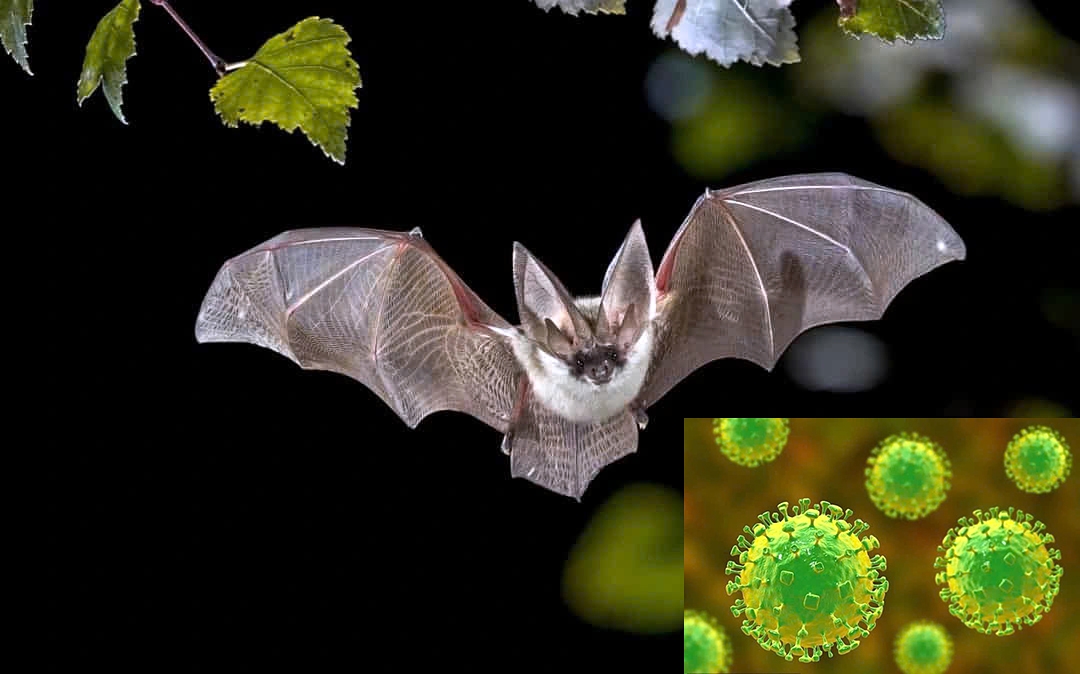
“The main concern is its high fatality rate. But this is a zoonotic disease, with fruit bats as the natural reservoir. The virus can spread from bats to intermediate animals such as pigs and then to humans. Human-to-human transmission can occur, but mostly through close contact during caregiving or medical treatment,” Phu explained.
Dr. Truong Huu Khanh, Vice Chairman of the Ho Chi Minh City Infectious Diseases Association, shared the view that Nipah is not a new threat, having been recognised by the medical community since the late 1990s.
“Over more than two decades, despite occasional outbreaks, Nipah has never developed into a global pandemic. Its transmission routes are complex, and the likelihood of widespread spread in Vietnam is very low,” Khanh said.
Experts explained that Nipah does not spread as easily as many respiratory viruses and does not transmit through casual or brief contact. The main risks involve direct contact with fruit bats or infected intermediate animals, or consumption of food contaminated by bat excreta. Some outbreaks in South Asia have also been linked to the consumption of raw date palm sap - a practice uncommon in Vietnam.
Based on these factors, specialists play down the possibility of a large-scale Nipah outbreak in Vietnam, especially given the strengthened disease surveillance system developed after years of responding to emerging infectious diseases.
Nevertheless, the Ministry of Health advised people to avoid traveling to outbreak areas unless necessary; monitor their health for 14 days after returning from high-risk regions; and seek medical care immediately if symptoms such as fever, headache, muscle pain, vomiting, sore throat, dizziness, drowsiness, confusion or seizures occur.
The public is also advised to eat well-cooked food, drink boiled water, wash and peel fruits before consumption, avoid foods showing signs of animal bites, refrain from close contact with bats or sick animals, and wash hands frequently with soap or disinfectant.
Experts emphasise that appropriate caution is necessary, but there is no need for panic. Proactive prevention and confidence in Vietnam’s public health surveillance system will remain key to minimising risks from Nipah virus and other emerging pathogens.
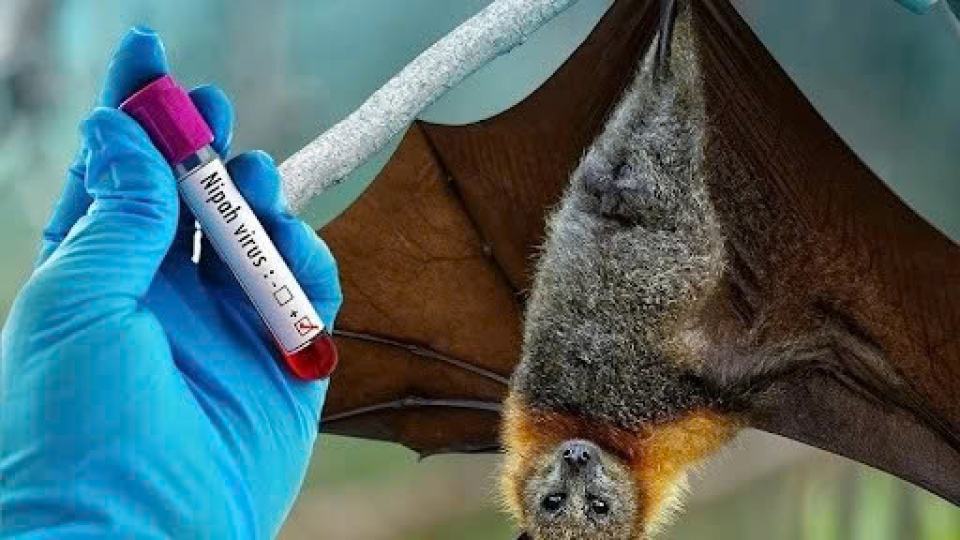
Vietnam reports no Nipah virus cases, steps up surveillance
VOV.VN - Vietnam has not recorded any cases of Nipah virus infection, the Ministry of Health (MoH) said on January 27, as authorities strengthen disease surveillance and preparedness following reports of suspected cases in India.