Vietnam reports no Nipah virus cases, steps up surveillance

VOV.VN - Vietnam has not recorded any cases of Nipah virus infection, the Ministry of Health (MoH) said on January 27, as authorities strengthen disease surveillance and preparedness following reports of suspected cases in India.
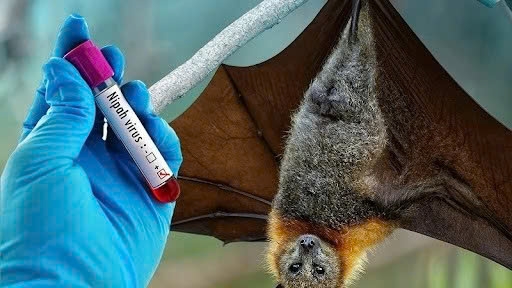
According to the MoH’s Department of Disease Prevention, India reported five suspected Nipah cases, including two laboratory-confirmed infections, at a hospital in West Bengal between December 27, 2025 and January 26, 2026.
Nipah virus, first identified in Malaysia in 1999 and later detected in Bangladesh and India, is a zoonotic disease that can be transmitted from animals to humans, through contaminated food or objects, and via close contact with infected people. Past Nipah outbreaks in Malaysia and Singapore in 1998–1999 resulted in more than 100 deaths, underscoring the virus’s severe public health impact.
The World Health Organisation (WHO) says Nipah infections have so far occurred in limited, localized outbreaks, but the disease has a high case fatality rate of about 40% to 75% among hospitalized patients. There is currently no approved vaccine or specific antiviral treatment for Nipah virus infection.
Vietnam classifies Nipah as a Group A infectious disease, the highest risk category under the country’s Law on Prevention and Control of Infectious Diseases.
The MoH said it has instructed the medical system nationwide to enhance surveillance at border gates, health facilities and in communities, and to prepare response measures in case suspected cases are detected.
It added that it is closely monitoring global developments and coordinating with the WHO and other countries to ensure timely and appropriate disease control actions.
Health officials advised the public to avoid unnecessary travel to areas with reported Nipah cases, practice good food hygiene, avoid consuming fruit or beverages that may have been contaminated by bats or other animals, and limit close contact with wild animals, particularly fruit bats.
People returning from affected areas are urged to monitor their health for up to 14 days and seek medical attention if they develop symptoms such as fever, headache, muscle pain, vomiting, sore throat, dizziness, confusion or breathing difficulties.
New Year holiday sees rise in infectious diseases
VOV.VN - Increased travel, social gatherings and commercial activities during the New Year holiday are driving a higher risk of infectious diseases, notably seasonal influenza, bronchitis, pneumonia, hand-foot-and-mouth disease and dengue fever.