


Meningococcal disease claims two lives in Ca Mau, Vietnam enhances surveillance

VOV.VN - Two people have died from meningococcal disease in Vietnam’s southern province of Ca Mau, prompting intensified contact tracing and preventive measures as health authorities step up surveillance following a cluster of cases in Ho Chi Minh City earlier this month.

The two patients in Ca Mau were women aged 46 and 33 from Song Doc commune. Laboratory tests reportedly confirmed infection with serogroup B meningococcal bacteria.
The deaths bring the province’s total number of fatalities from the disease to three since the beginning of 2026.
Health authorities identified 87 people who had contact with the two patients and are providing preventive antibiotics and health monitoring. Three students among those associated with the second case have been advised to stay home and monitor their health for 10 days.
The Ca Mau Centre for Disease Control, local authorities and health stations are also conducting environmental disinfection, monitoring households associated with the cases and following up with people who may have been exposed.
A working group from the Pasteur Institute in Ho Chi Minh City met with provincial health officials on October 30 to provide technical guidance on disease control and case management.
Authorities have not yet identified the source of infection or established an epidemiological link between the two patients. They are continuing investigations and monitoring contacts to limit the risk of further transmission.
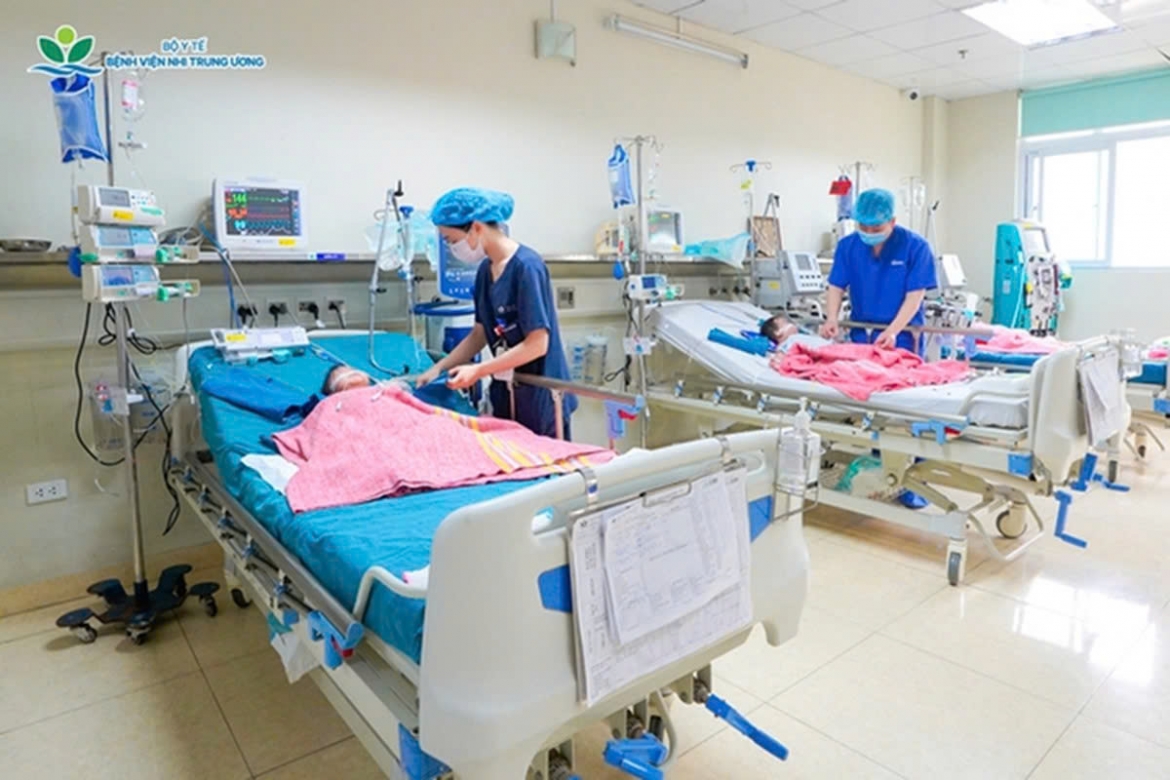
The deaths come amid heightened vigilance over the disease in southern Vietnam. Ho Chi Minh City recorded five cases among schoolchildren between October 14 and 20, including a cluster of four at Hai Ba Trung Secondary School in Hiep Phuoc commune. One student died. Health authorities subsequently provided preventive antibiotics to more than 2,000 people who may have been exposed.
Vietnam’s Ministry of Health has previously warned that meningococcal disease can progress rapidly and cause severe complications or death if diagnosis and treatment are delayed.
The disease can spread through respiratory secretions during close contact. Early symptoms may resemble common respiratory illnesses, while warning signs can include high fever, headache, neck stiffness and a rash or patches of bleeding under the skin.
Health authorities advise the public to maintain good personal hygiene, wash hands regularly, ensure adequate ventilation and seek immediate medical attention if symptoms suggestive of meningococcal disease develop. People identified as close contacts should follow guidance from healthcare professionals on preventive treatment and health monitoring.

Health Ministry warns over meningococcal cluster, another case recorded
VOV.VN - The Ministry of Health has urged close contacts of meningococcal cases at a secondary school in Ho Chi Minh City to monitor their health closely, as the city confirmed a fourth case, bringing the total to four, including one death.


