Man in central Vietnam claims over 50 years without normal sleep

VOV.VN - For over 50 years, a farmer in central Vietnam has been at the center of an unusual medical mystery, with reports suggesting he has been unable to sleep in a normal way since the mid-1970s.
A long-debated medical mystery from central Vietnam
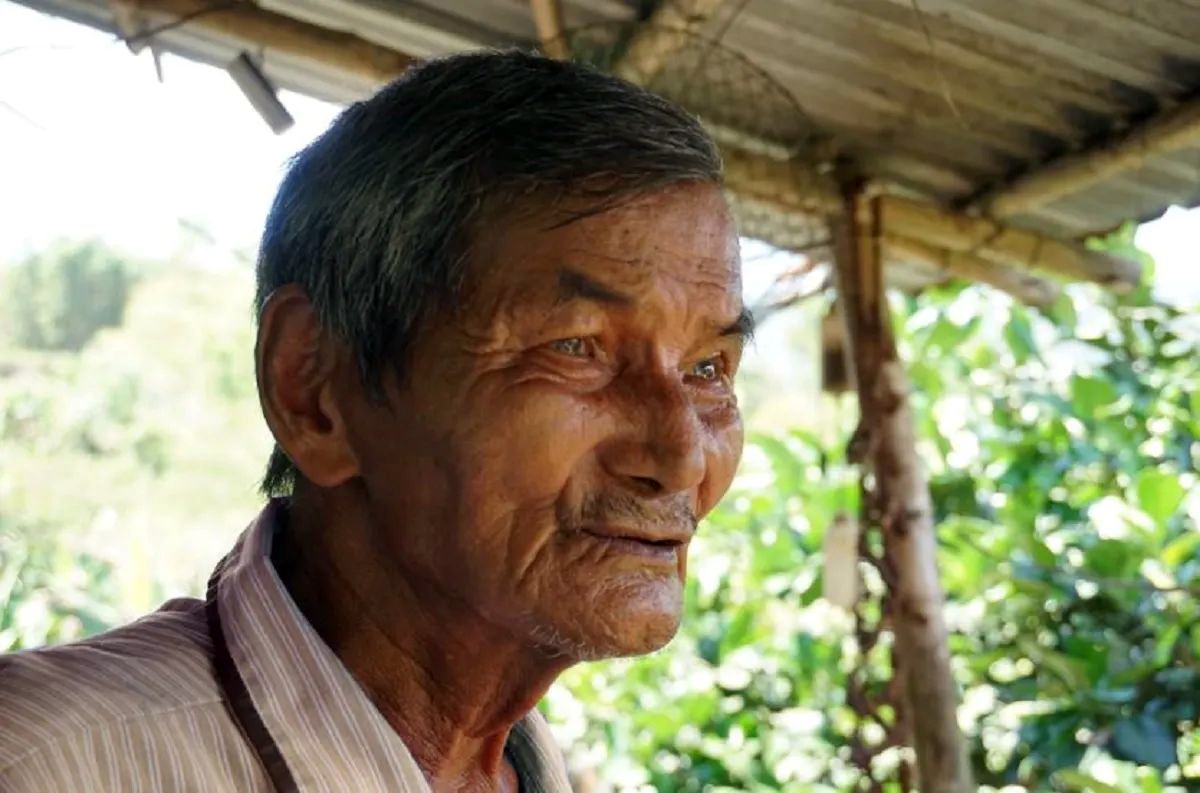
In Quang Nam, now part of Da Nang city, the story of Thai Ngoc, born 1942, who has reportedly lived for decades without normal sleep, has drawn sustained attention from both domestic and international media.
Reports suggest that his condition began around 1975 following a severe fever. Since then, he has claimed that he no longer sleeps in the conventional sense, despite still experiencing fatigue and the natural need for rest.
“In the early days without sleep, I felt extremely restless and uncomfortable, but over time I got used to it. Since my eating habits and overall health was normal, I no longer think much about sleep,” he says.
Despite his unusual condition, Thai Ngoc has maintained a relatively stable daily life. Living in a rural area, he continues to engage in farming activities, household chores and agricultural work.
“It’s frustrating — really frustrating. Such a strange condition. I see others sleeping and can’t help but envy them. On bright moonlit nights, I often go out to the fields to weed or hoe the soil because I simply can’t sit still. It’s odd — I work twice as much as others, yet my life hasn’t improved much,” he says with a wry smile.
Those who have visited him noted that he is still capable of working outdoors and managing daily routines. However, he has repeatedly described a persistent sense of exhaustion and a desire to sleep, without being able to fall into deep sleep.
In several accounts, he has said he feels “extremely sleepy but unable to sleep,” gradually becoming accustomed to a prolonged waking state.
International media attention and observations
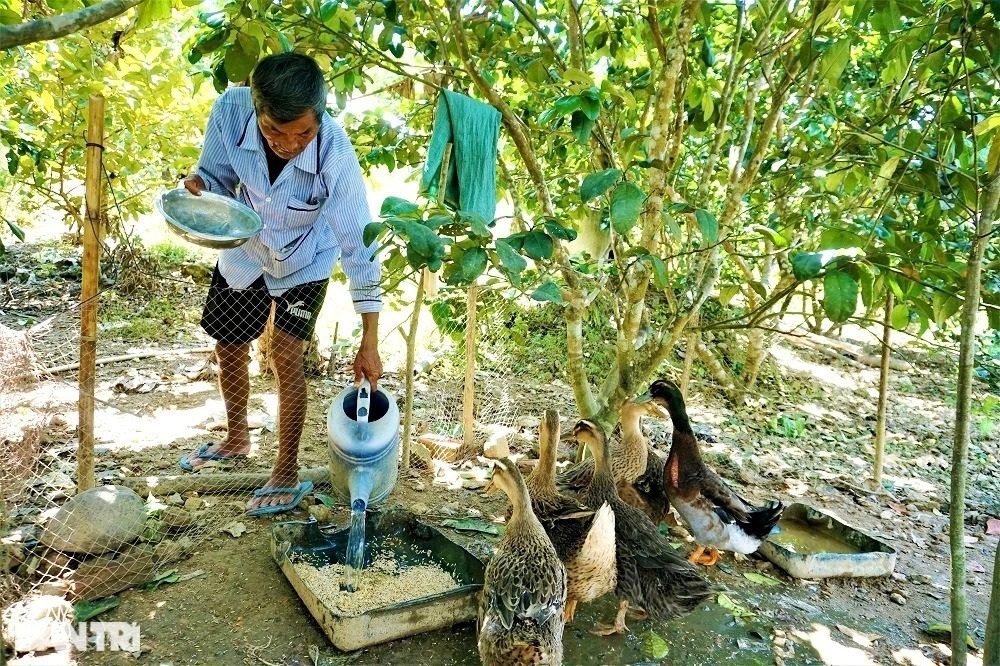
Thai Ngoc’s story has attracted foreign film crews and journalists from countries such as Japan, Thailand and the United Kingdom.
According to media reports, some teams monitored him continuously for several days using cameras and observation methods to verify his claims. However, these efforts did not produce conclusive evidence as to whether he experiences sleep in any conventional form, leaving the case open to debate.
From a medical standpoint, sleep experts generally agree that it is biologically improbable for a human to remain completely sleepless for decades.
The human body has built-in mechanisms to ensure the brain gets rest, even in cases of severe sleep disorders. Some specialists suggest that Thai Ngoc’s condition may involve chronic insomnia or other sleep-related disorders, in which individuals may experience very short, shallow or unrecognised sleep episodes.
To date, there has been no official medical conclusion confirming a complete absence of sleep as sometimes portrayed in media accounts.
Without definitive scientific evidence, Thai Ngoc’s case remains a subject that lies between personal experience and media interpretation. He continues to live quietly in his hometown, maintaining a simple lifestyle and largely declining offers related to the public exposure of his story.
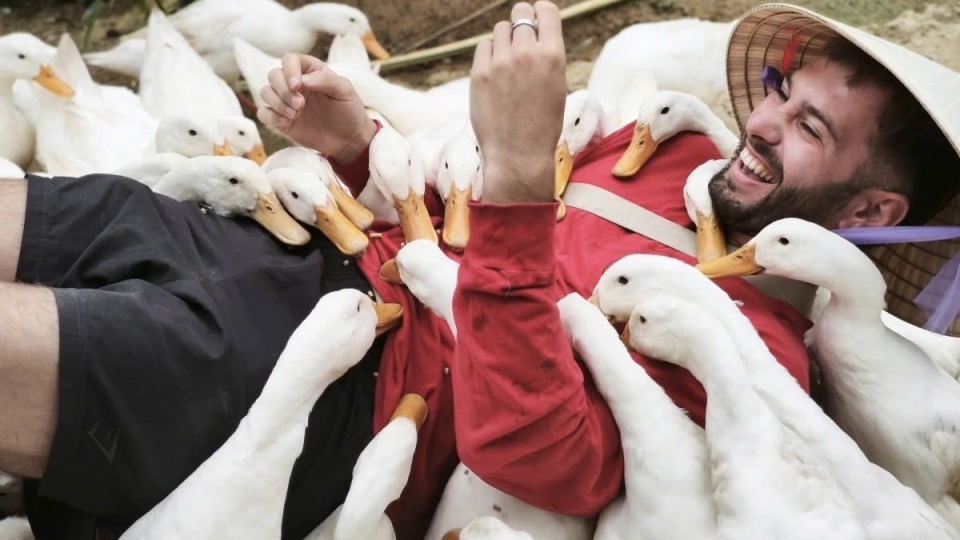
Rural experiences draw foreign tourists to central Vietnam
VOV.VN - More and more foreign tourists are visiting Phong Nha-Ke Bang National Park in Quang Tri province, central Vietnam, to experience rural life firsthand, including feeding ducks, riding buffaloes, and fishing alongside locals.