Journalists in peacetime: Staying committed to profession

VOV.VN - Not only in times of war, but even in peacetime, journalism continues to demand dedication, quiet sacrifice, and a deep passion for the profession.
Keeping spirit of dedication alive in peacetime
In the 100-year history of the Vietnamese revolutionary press, 539 journalists have been recognised as martyrs who sacrificed their lives during wartime as well as in the course of national construction and defence. This stands as a deeply moving and proud testament to the dedication of the journalism community to the nation.
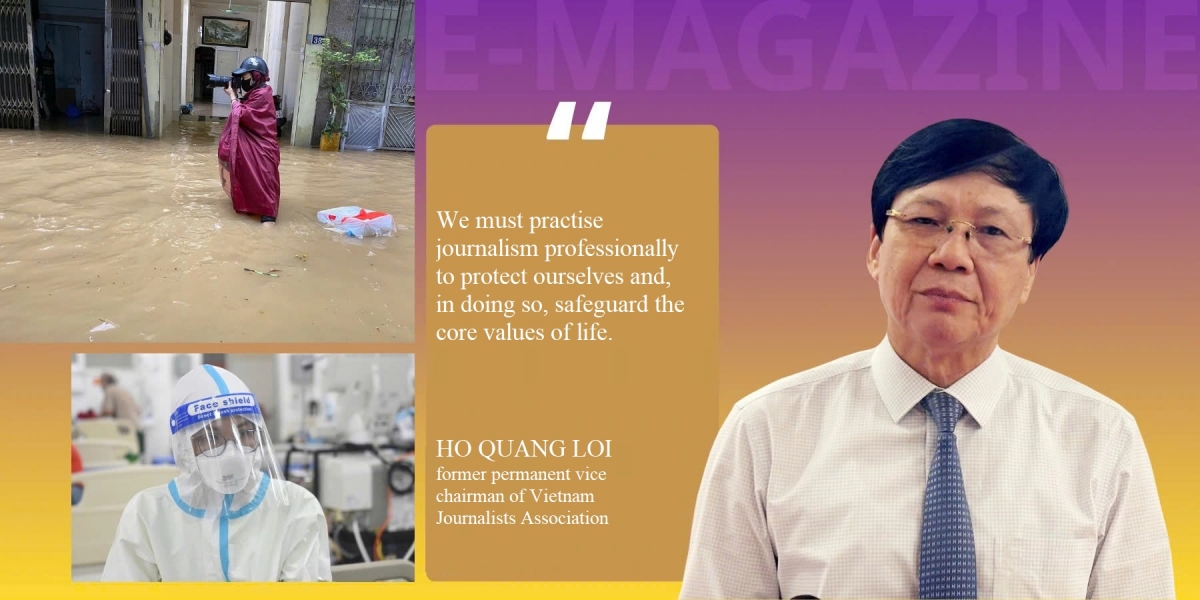
Ho Quang Loi, former permanent vice chairman of the Vietnam Journalists Association and currently vice chairman of the Vietnam Digital Communications Association, noted that it is not only in wartime that journalists demonstrate courage, dedication, and sacrifice; even in peacetime, this spirit must continue to be nurtured.
In his view, today, journalism faces many “silent yet intense battles.” Journalism is not only dangerous in times of war but also full of risks and challenges in peacetime.
Journalists are engaged in the fight against wrongdoing and negativity, in order to affirm the core values of society. This requires them to maintain a strong spirit of dedication and commitment.
In the current context, this spirit remains essential as journalism enters new “battles,” including the effort to affirm emerging values - an endeavour that is neither simple nor straightforward. It requires both courage and intelligence from the press. Beyond promoting new values, journalism must also continue its fight against corruption and negativity. These tasks demand not only dedication and sacrifice, but also a high level of professionalism.
“We must practise journalism professionally to protect ourselves and, in doing so, safeguard the core values of life,” Loi emphasised.
Journalism in the service of the people
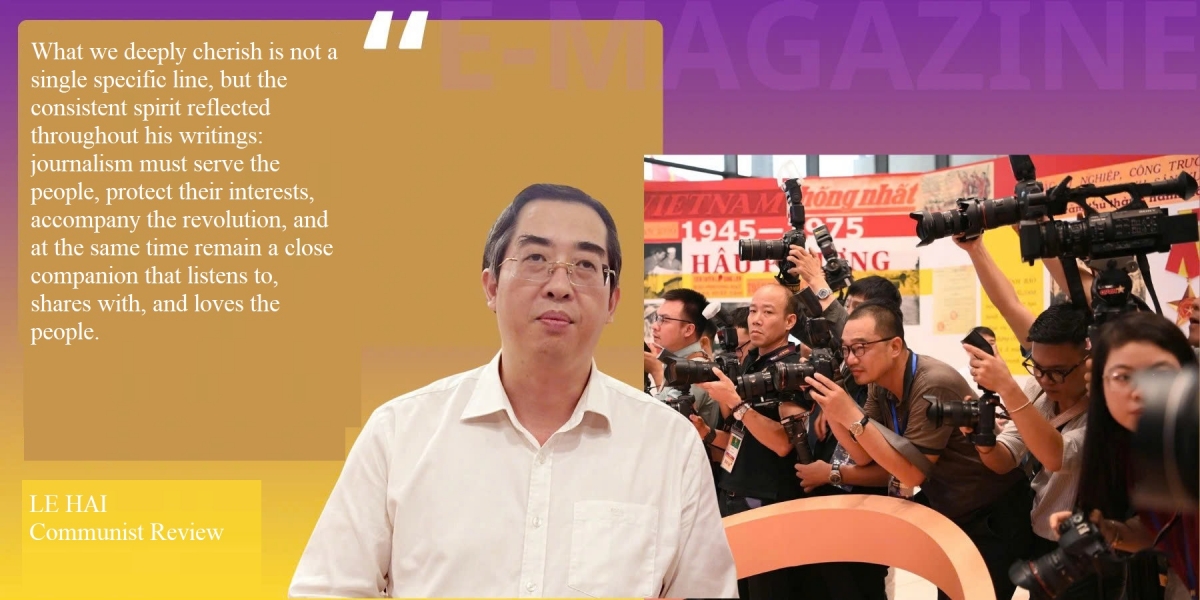
Le Hai, member of the Editorial Board of Communist Review, expressed his pride: “We are honoured to work at Communist Review -the ‘Red Journal’ (the predecessor of today’s Communist Review). Throughout its development, the journal has been closely tied to the revolutionary cause, becoming an inseparable part of the Party’s history and vividly reflecting the evolution of theoretical thinking and the Party’s capacity to summarise practical experience.”
Since 1925, President Ho Chi Minh founded Thanh Nien (Youth) Newspaper - the first revolutionary newspaper. He was a pioneering journalist and a great mentor of Vietnam’s revolutionary press.
“What we deeply cherish is not a single specific line, but the consistent spirit reflected throughout his writings: journalism must serve the people, protect their interests, accompany the revolution, and at the same time remain a close companion that listens to, shares with, and loves the people.”
President Ho Chi Minh once said that the Party has no interests other than those of the nation and the people. To become a Party of the people, it must serve the people.
“Therefore, revolutionary journalism under the leadership of the Party must also place the interests of the people at its core. This is the most profound lesson that we always remember and uphold throughout our professional journey,” Le Hai said.
Passion for journalism yields meaningful work
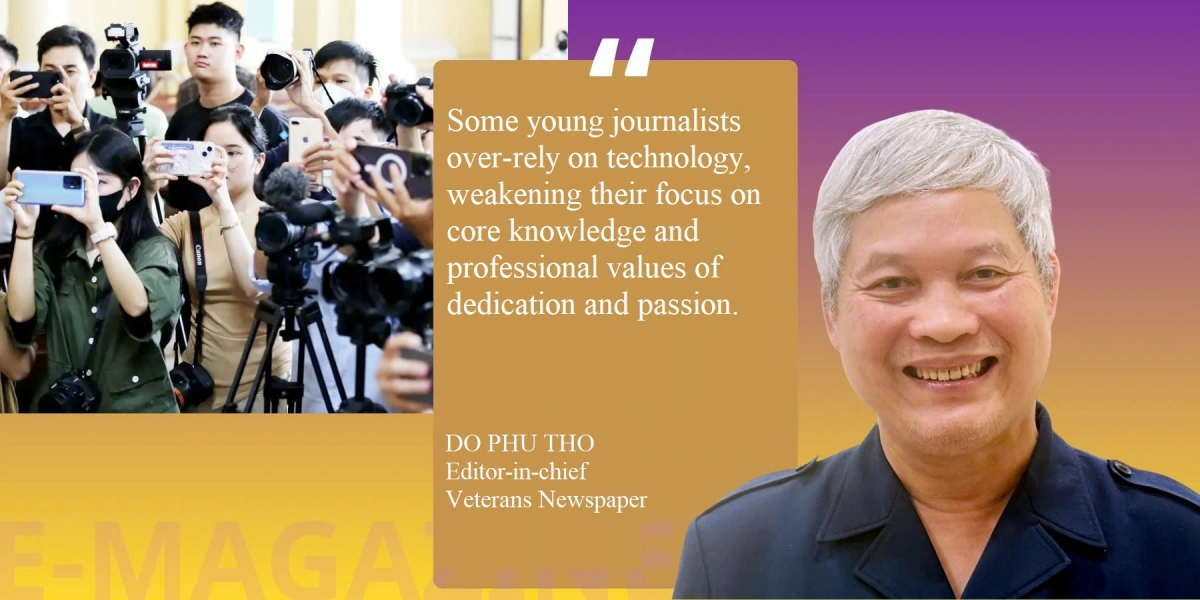
In the context of journalism’s development in a new era marked by rapid technological advancement and the rise of artificial intelligence, Do Phu Tho, Editor-in-Chief of Veterans Newspaper, highly values the agility of young journalists in keeping up with science, technology, and emerging trends.
“They have a stronger professional foundation in journalism compared to my generation - the senior journalists. In particular, they are very quick to access and apply new technologies, and they adapt to digital journalism and artificial intelligence in a flexible and effective way,” Tho noted.
However, he also pointed out that some young journalists today tend to over-rely on technological achievements, leading to a lack of attention to fundamental knowledge and an insufficient display of dedication and passion – the core values of revolutionary journalism.
“I do not believe all young journalists are like that. But the existence of such a segment is concerning and must be taken seriously. Every journalist has the responsibility to reflect social reality accurately and in a multidimensional way, covering social, economic, political, cultural, and educational issues, thereby providing timely and valuable information to readers,” he said.
The 100-year journey of the Vietnamese revolutionary press is one of remarkable growth and transformation, marked by the dedication and sacrifice of generations of journalists during the wars against French colonialism, American forces, and in border conflicts.
These exemplary figures left behind heroic and deeply moving legacies for today’s journalism community. They represent frontline journalists and serve as models of revolutionary press practitioners. In the present context, this spirit of dedication remains essential, albeit with certain changes in both form and substance.
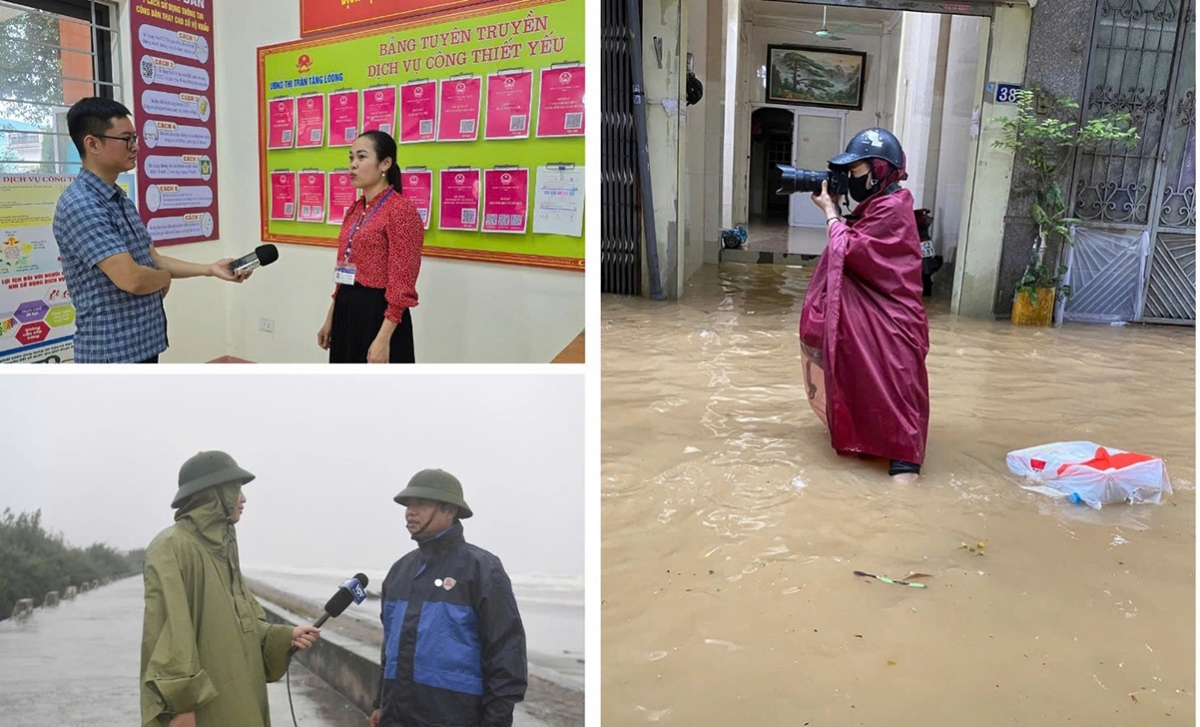
According to journalist Le Hai, dedication first and foremost means maintaining absolute political integrity. Revolutionary journalists must clearly embody the Party spirit and maintain unwavering trust in the Party’s guidelines and policies.
Secondly, it is about love for the profession and a strong sense of passion, constantly overcoming difficulties and challenges, and continuously striving to contribute to journalism. Journalists who are truly passionate and committed will always produce meaningful works that leave a lasting imprint throughout their careers.
“There is nothing more fulfilling for a journalist than being dedicated and being able to contribute to the profession,” journalist Le Hai affirmed.

Upholding journalistic ethics in the digital age
VOV.VN - Amid growing pressure from social media competition, click-driven content, and cases of ethical violations in journalism, the need to safeguard professional standards has become more urgent than ever.