Intel donates chip-making equipment to boost semiconductor talent training

VOV.VN - Intel has transferred 31 chip assembly and testing machines to Saigon Hi-Tech Park (SHTP) and Vietnam National University, Hanoi, (VNU Hanoi) to support workforce development in Vietnam’s fast-growing semiconductor sector.
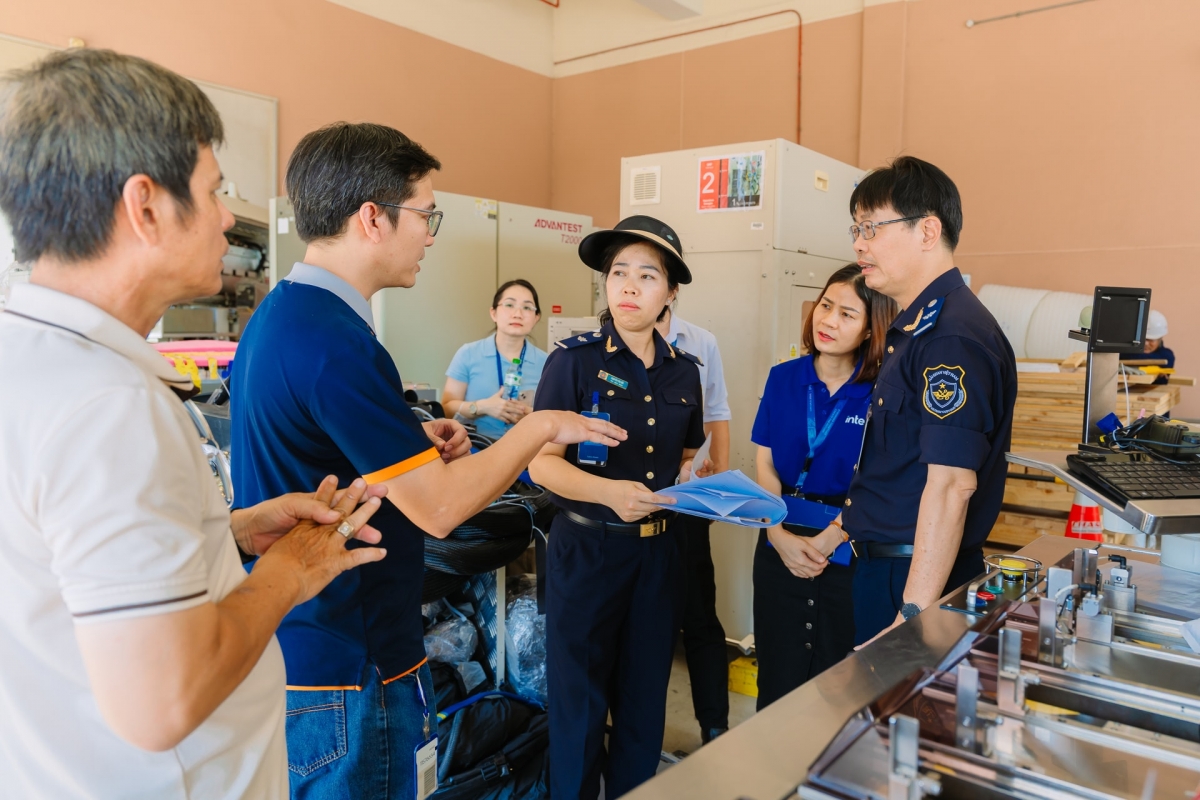
The equipment, provided under a previously signed Memorandum of Understanding (MoU) between Intel and SHTP, will be used for training and research purposes, particularly in chip packaging and testing that are critical stages in semiconductor production.
The initiative offers students and researchers hands-on access to specialised equipment, helping bridge the gap between academic knowledge and real-world industry requirements.
With this initiative, Intel becomes a pioneer in Vietnam in repurposing semiconductor manufacturing equipment for education and training. The move underscores the company’s long-term commitment to strengthening the country’s semiconductor ecosystem under its vision of “creating the future for both Intel and Vietnam.”
The donation aligns closely with Vietnam’s national semiconductor development strategy under the Prime Minister’s Decision No. 1018, which sets out goals to develop a highly skilled semiconductor workforce by 2030, with a longer-term vision toward 2050.
Kenneth Tse, vice president and general director of Intel Products Vietnam, said Vietnam is emerging as a key link in the global semiconductor value chain, with workforce development remaining a top priority.
Marking 20 years of Intel’s presence in Vietnam, Tse pointed out that the equipment donation reflects the company’s continued commitment to supporting the country’s next phase of growth.
He added that by providing practical resources, Intel aims to help educational institutions deliver hands-on training aligned with industry needs, bridge the gap between academia and manufacturing, and accelerate workforce readiness for Vietnam’s long-term semiconductor ambitions.
Beyond training support, the project enables SHTP and VNU Hanoi to build comprehensive semiconductor education capabilities, from design to assembly and testing, while expanding applied learning and research environments for future engineers.
The initiative is also expected to optimise existing resources, reduce the financial burden of infrastructure investment, and accelerate the readiness of training institutions to meet industry demand.
Intel relocates assembly and test operations from Costa Rica to HCM City
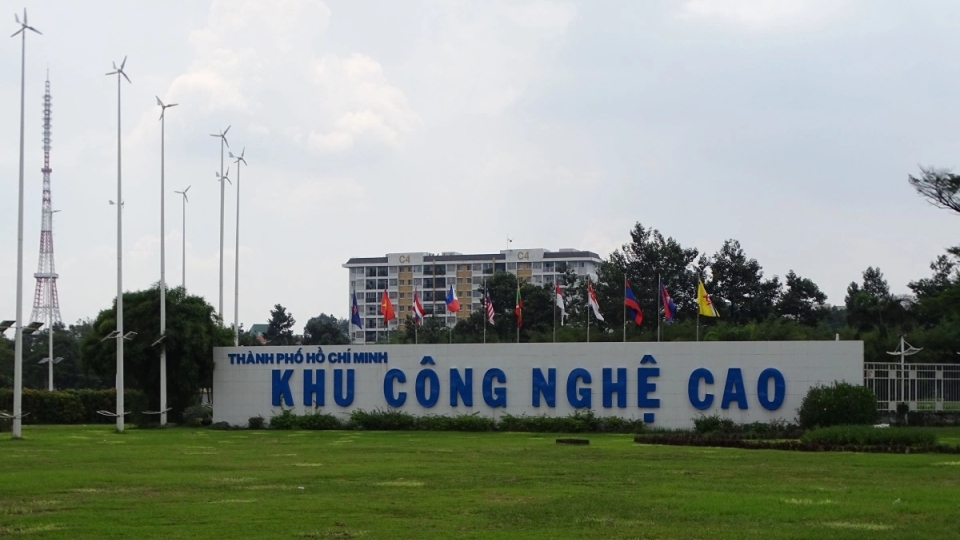
VOV.VN - Intel has been relocating part of its assembly, packaging and testing operations from Costa Rica to the Saigon Hi-Tech Park (SHTP) in Ho Chi Minh City to produce chips for data centre servers.