HCM City steps up monitoring as hand, foot and mouth disease cases surge

VOV.VN - Ho Chi Minh City is intensifying surveillance and prevention measures as hand, foot and mouth disease (HFMD) cases continue to rise sharply, particularly among young children.
According to the Ho Chi Minh City Centre for Disease Control (HCDC), the city recorded 1,394 HFMD cases between April 6 and 12, up 36.8% compared to the average of the previous four weeks.
Since the beginning of the year, the city has logged 11,925 cases. Areas with high incidence rates per 100,000 people include Con Dao special zone, Long Dien commune and Binh Khanh commune.
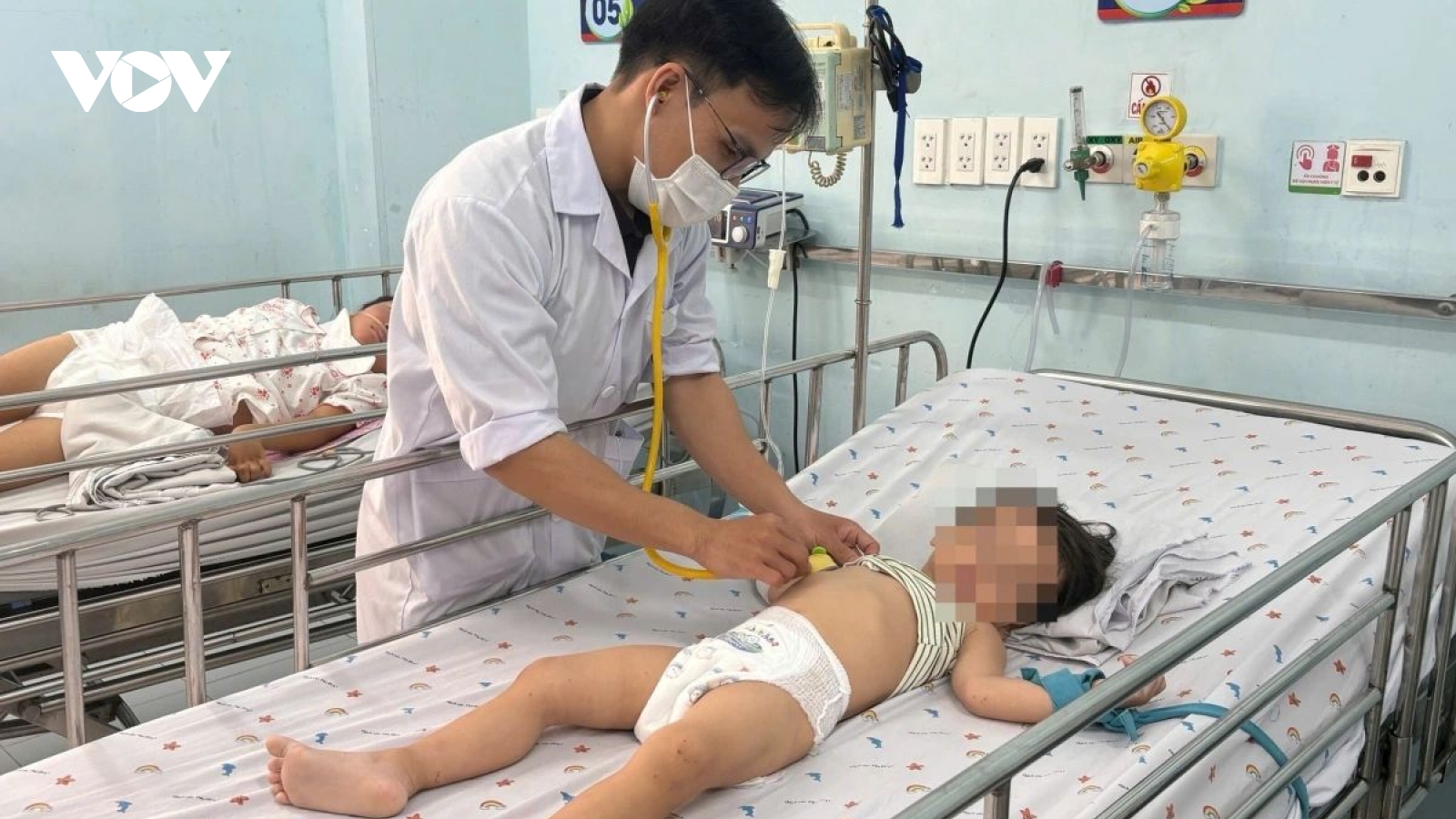
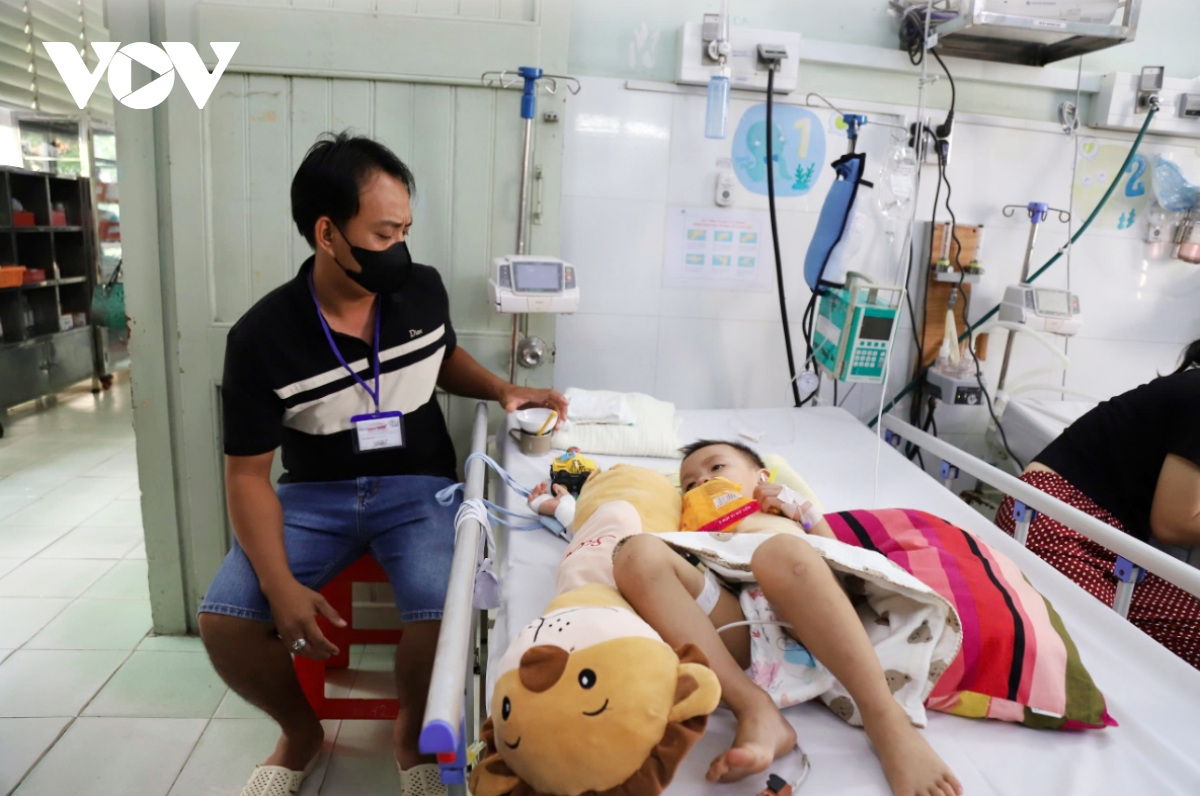
Medical experts have also noted a worrying increase in severe cases. Dr. Nguyen An Nghia from Children’s Hospital 1 said that while only one to two out of ten emergency beds were previously occupied by severe HFMD cases, the figure has now risen to five or six.
He attributed this to the rapid and subtle spread of the EV71 C1 variant, which has high virulence and the ability to evade immunity, making it harder for parents to detect early warning signs.
In response to the rising risk, many preschools have proactively implemented preventive measures. At Happy Childhood Kindergarten, strict hygiene protocols are enforced daily, weekly, and monthly to reduce the risk of outbreaks.
Classrooms, corridors, toys, and shared spaces are cleaned and disinfected thoroughly after each school day and again before children arrive in the morning. Children are guided to wash their hands with soap before and after meals and use personal items such as towels, cups, and water bottles to prevent cross-infection.
The school also refuses to admit children showing symptoms of infectious diseases, even mild ones, while teachers receive regular training on disease prevention.
City health officials have emphasised early detection and timely reporting of suspected cases to enable prompt containment and disinfection measures. Personal hygiene and environmental sanitation remain the most effective preventive strategies.
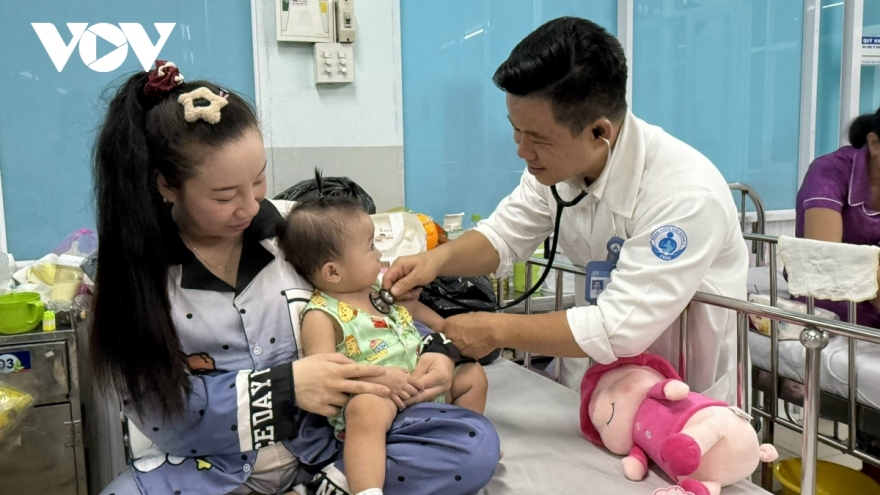
Parents are advised to closely monitor infected children. While most cases can be treated at home, children should be taken to hospital immediately if they show severe symptoms such as persistent high fever, frequent startling, or repeated vomiting. Infected children should stay home and be isolated for at least 10 days to prevent further spread.

Da Nang tightens HFMD prevention as cases rise
VOV.VN - Since the beginning of the year, hand, foot and mouth disease (HFMD) cases in Da Nang city, central Vietnam have increased, with children under three accounting for nearly 90% of total cases.