




HCM City sees hand, foot and mouth disease cases surge nearly 48%

VOV.VN - The number of hand, foot and mouth disease (HFMD) infections in Ho Chi Minh City has risen 47.8% above the average for the previous four weeks, with some children showing symptoms of respiratory viral infections, the Ho Chi Minh City Centre for Disease Control (HCDC) has reported.
Sharp rise in HFMD cases, including severe infections
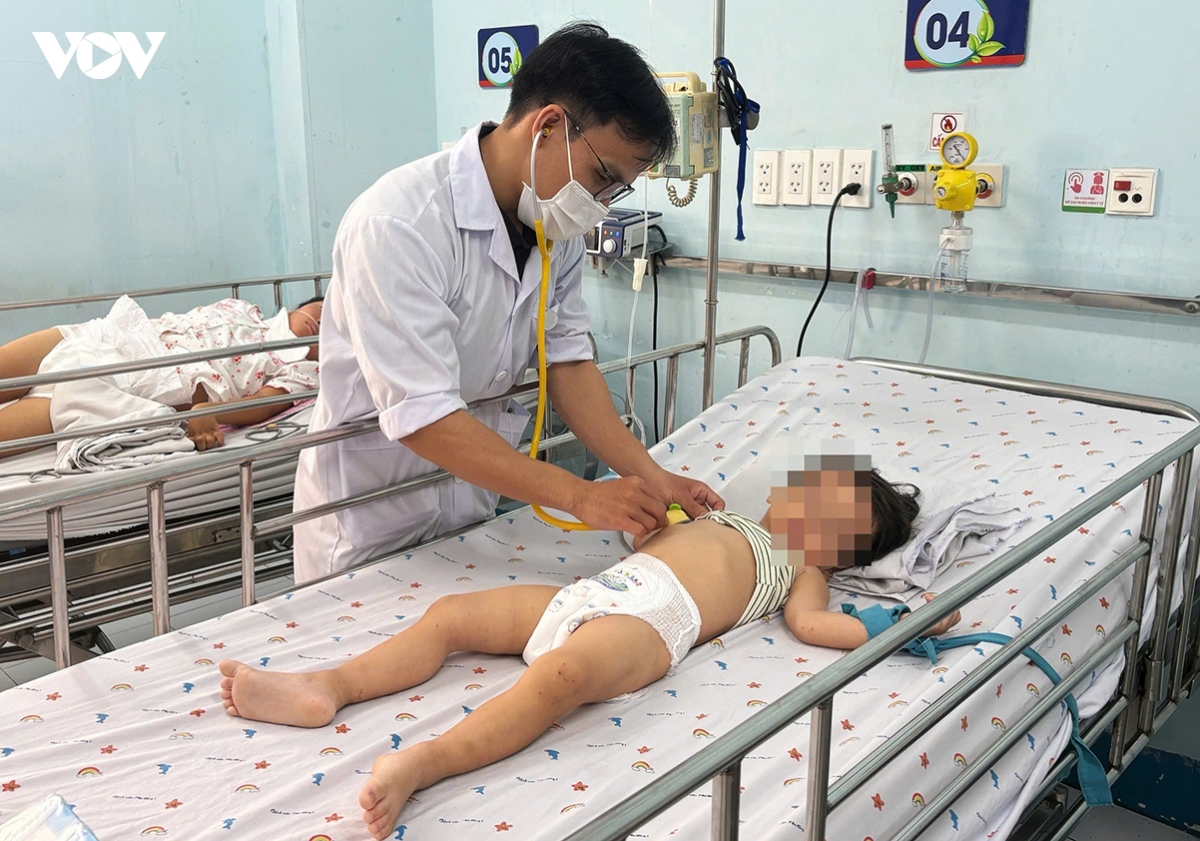
According to HCDC, the city recorded 1,673 HFMD cases in the past week, up 47.8% from the average for the preceding four weeks, and raising the total number of infections so far this year to 38,463 cases.
Localities with the highest incidence rates, exceeding 100 cases per 100,000 population, included Con Dao Special Zone, Binh Khanh commune and Hiep Phuoc commune, in the area of the former Nha Be district.
At Children’s Hospital 1, 70 children with HFMD are currently receiving inpatient treatment, including four severe cases. The hospital also sees around 100-120 children for outpatient consultations each day.
Dr. Du Tuan Quy, head of the hospital’s Department of Neurological Infections, said children from Ho Chi Minh City account for approximately 42% of the cases, with the remainder coming from nearby provinces and cities.
HFMD typically causes red rashes and blisters on the hands, feet, mouth, buttocks or elbows. However, some children have subtle symptoms that can easily go unnoticed. Young children may develop fever, refuse to feed or drool because of mouth ulcers. Mild diarrhoea may also occur, leading parents to mistake the illness for teething.
The disease can progress rapidly to a severe stage. Warning signs include a high fever that does not subside, startling or jerking during sleep, unusual crying or irritability, excessive clinginess or signs of panic. These symptoms may indicate neurological complications and require immediate medical attention, even at night.
Dr. Quy noted that some children may still appear alert despite having severe disease because the virus has affected the brainstem. Without prompt treatment, they may develop respiratory failure and become critically ill.
He also cautioned parents against assuming that children who have not started nursery or kindergarten are protected from HFMD. Around 10% of adults may carry the virus without showing symptoms and can still transmit it to children.
Adults should therefore maintain good personal hygiene and shower after returning from work before hugging, kissing or caring for their children. Parents whose children attend school should also check for reports of HFMD in their child’s class and monitor their health following contact with an infected classmate.
Dr. Quy advised parents to seek medical assessment and treatment at local healthcare facilities in accordance with professional guidance, rather than taking sick children on unnecessary long journeys. Bringing infected children to crowded places such as supermarkets and amusement venues may increase the risk of community transmission.
More children present with respiratory symptoms alongside HFMD
At Children’s Hospital 2, Dr. Vu Thi Thuy Duong, deputy head of the Department of Infectious Diseases, said the number of children with HFMD seeking consultations or requiring hospital admission has nearly doubled over the past two weeks.
The department previously received around 20-30 children a day, but the figure has now risen to 40-50.
Most children admitted to Children's Hospital 2 have non-severe HFMD, although a small number have more serious cases. No critically ill patients have been admitted. Most patients are from Ho Chi Minh City, with around one-third coming from other provinces and cities.
Dr. Duong said approximately 10-20% of children hospitalised with HFMD in her department also show symptoms of respiratory viral infections, including coughing, a runny nose and wheezing.
It is not yet possible to determine whether all these children also have influenza. However, concurrent infections can leave children more fatigued, reduce their appetite and prolong fever, making care more challenging.
Doctors advise parents to keep children with HFMD away from school, limit their contact with healthy children and monitor their condition closely. If a child develops a persistent high fever, startling episodes, unusual crying or irritability, or other abnormal symptoms, parents should seek medical attention immediately for assessment and appropriate treatment.
Respiratory infections also on the rise
As HFMD cases increase, acute respiratory infections are also circulating widely in Ho Chi Minh City. HCDC reported 34,664 cases of acute respiratory infections in the past week, more than 64% above the average for the preceding four weeks.
The surveillance system also detected 151 samples testing positive for influenza viruses. Of these, 116 were identified as influenza A(H1N1)pdm09, accounting for nearly 77% of the positive samples.
According to HCDC, it is monitoring respiratory pathogens at 29 healthcare facilities. Residents are advised to wash their hands frequently with soap and cover their mouth and nose when coughing or sneezing.
People experiencing fever, coughing, a sore throat or a runny nose should wear a face mask, limit close contact with others and seek medical care when necessary. Annual influenza vaccination, in accordance with medical guidance, is also recommended, particularly for older adults and people with underlying health conditions.
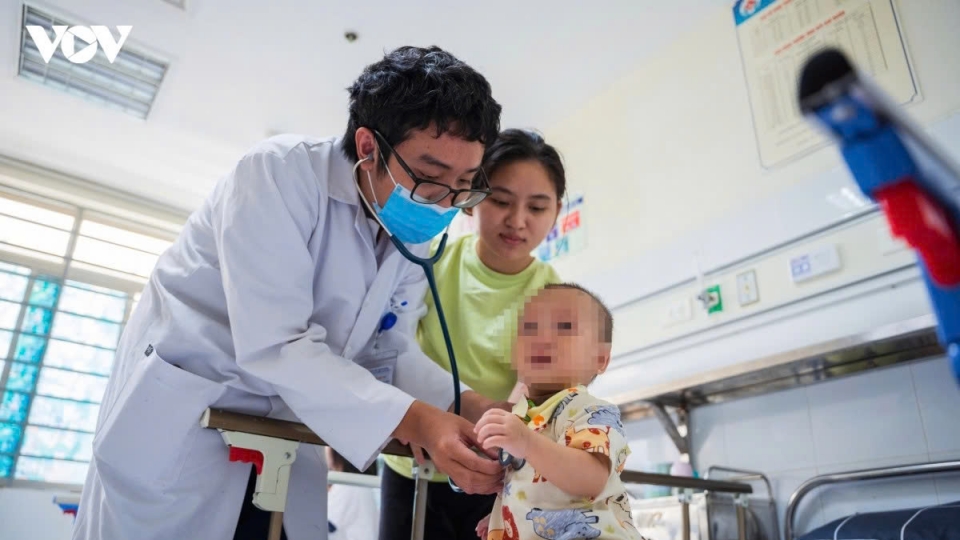
Inside pediatric wards amid daily influx of flu and HFMD cases
VOV.VN - Scores of young children, mostly under five and particularly toddlers under three, are hospitalized daily for influenza and hand, foot and mouth disease (HFMD) at the National Children's Hospital, which treats roughly 40 flu cases and 20 to 30 HFMD cases each day.


