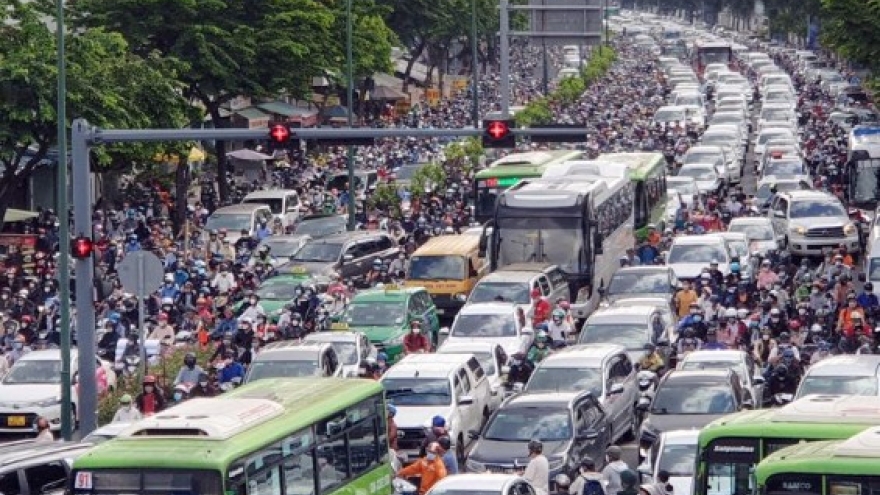
Hanoi presses ahead with low-emission zones, tightening vehicle emission controls

VOV.VN - Starting July 1, 2026, the Hanoi People's Committee will pilot low-emission zones in parts of Ring Road 1, introducing phased emission controls on cars and motorbikes to curb air pollution and accelerate the shift toward greener urban mobility.
The scheme will not be applied citywide at once but will be rolled out in selected areas, with clearly defined scope, timelines, and vehicle categories under a dedicated implementation plan.
According to Dao Viet Long, deputy director of the Hanoi Department of Construction, the proposal is being finalised with inter-agency coordination, focusing on practical technical and regulatory solutions tailored to Hanoi’s urban conditions.
To offset restrictions on private vehicles, the city has prepared public transport capacity. Ring Road 1 is currently served by two metro lines - Cat Linh – Ha Dong Metro Line and Nhon – Hanoi Station Metro Line - alongside 45 subsidized bus routes, together capable of handling over 1.3 million passenger trips per day.
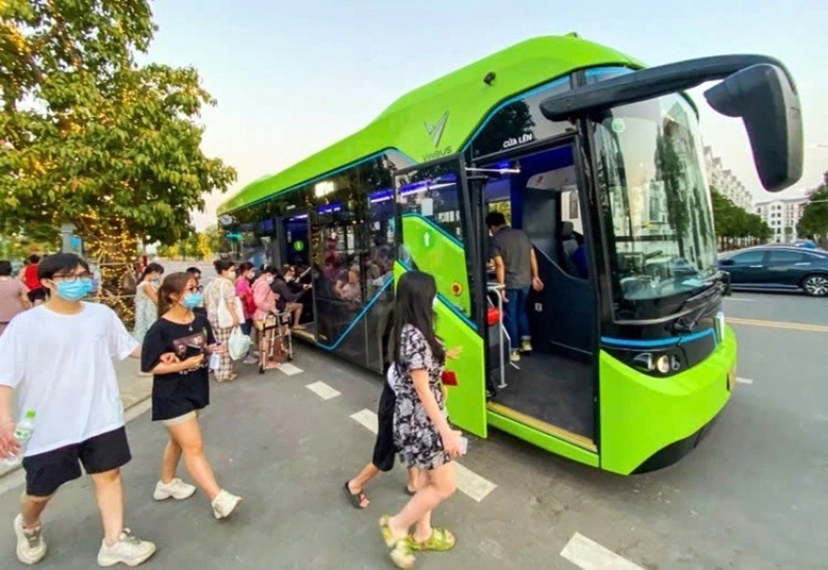
Hanoi also plans to expand green transport options, including electric buses, public bicycle systems, and smaller electric buses suited for narrow streets in the historic inner city.
Park-and-ride facilities will be developed at the edges of the pilot zones, allowing commuters to switch from private vehicles to public transport. More than 210 potential sites have already been identified.
On the infrastructure side, the city is finalising regulations for electric vehicle (EV) charging and battery swapping stations. Compact public battery swap units, enabling exchanges in just 2–3 minutes, are expected to address both safety and space constraints in dense neighborhoods.
Financial support policies are also being developed to encourage the transition to clean-energy vehicles, with a focus on protecting low-income residents.
Under the roadmap, the low-emission zones will expand progressively from Ring Road 1 to Ring Road 3 by 2030, with broader citywide implementation envisioned from 2031.
City authorities view this as a key step in restructuring urban mobility, reducing emissions and noise, and advancing toward net-zero goals.
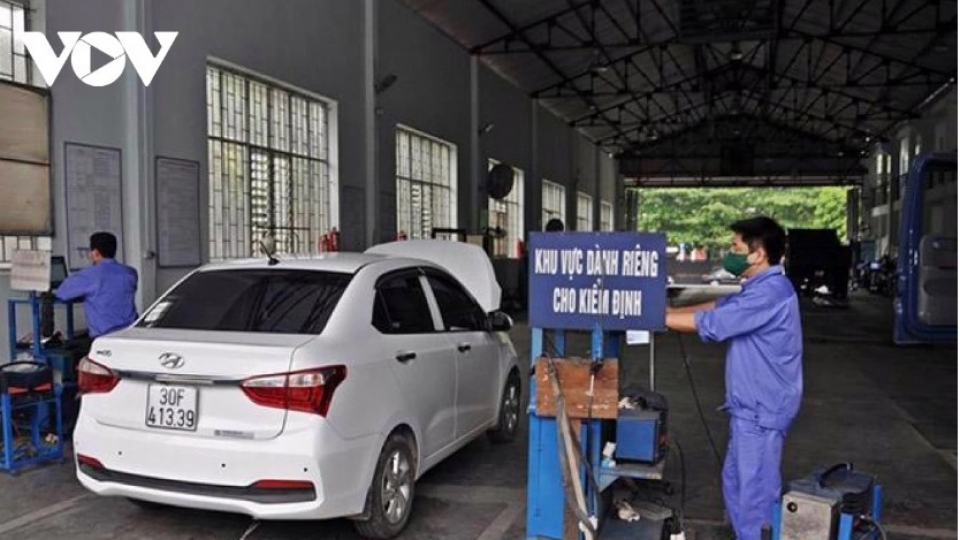
Stricter vehicle emission checks from March 1, owners risk added costs if unprepared
VOV.VN - Many vehicles could fail inspection if not serviced before March 1, when new emission testing standards take effect, potentially resulting in additional time and expenses for owners.