




Hand, foot and mouth disease rises as children return to school

VOV.VN - Hand, foot and mouth disease (HFMD) cases are rising in Vietnam as children prepare to return to school, prompting the Ministry of Health to urge families and schools to strengthen hygiene, detect cases early and limit contact with children who show symptoms.
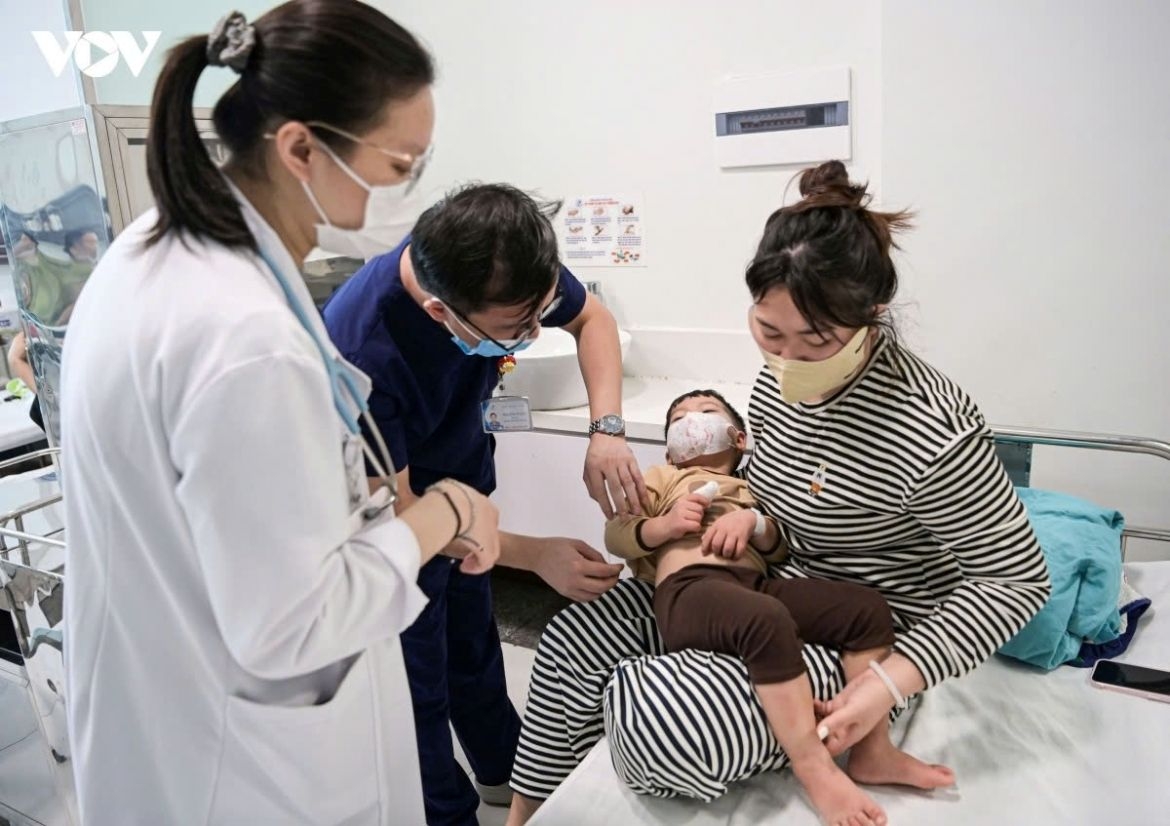
The disease has been reported widespread across the country, with cases concentrated in several major provinces and cities, particularly in southern Vietnam.
Vietnam has recorded nearly 100,000 HFMD casessince the beginning of the year, more than 2.5 times the number reported in the same period last year. Over the past four weeks alone, the country has documented more than 3,000 cases a week on average.
Hand, foot and mouth disease occurs year-round but typically rises in September and October, coinciding with the start of the school year, when young children have more frequent close contact and spend more time in group settings. Poor personal and environmental hygiene, coupled with delays in detecting infected children, could increase the risk of transmission.
The highly contagious disease is common among young children and can spread rapidly within families, communities and childcare settings such as nurseries and kindergartens.
The Ministry of Health urged parents, caregivers and schools to follow the “three clean” approach - clean food, clean living spaces and clean hands, to help curb transmission.
Children should be given properly cooked food and safe drinking water, while eating utensils and personal items should not be shared. Homes, classrooms, toys, learning materials and frequently touched surfaces should be regularly cleaned. Children, parents and caregivers are also advised to wash their hands frequently with soap and clean water.
Schools, particularly nurseries and kindergartens, should ensure adequate supplies of clean water and soap, maintain classroom hygiene and closely monitor children for symptoms.
Children showing signs such as fever, mouth ulcers or blisters on the hands, feet, knees or buttocks should stay home, avoid close contact with others and be taken for medical examination and advice. If clusters of suspected cases are detected in the same class or group, schools should coordinate with local health authorities to take appropriate preventive measures.
Parents and caregivers should seek immediate medical attention if a child develops warning signs such as persistent high fever, frequent startling, trembling, unusual irritability or drowsiness, repeated vomiting, breathing difficulties or a worsening condition.
Health authorities stressed that HFMD can be effectively prevented through simple hygiene practices consistently followed at home and at school.
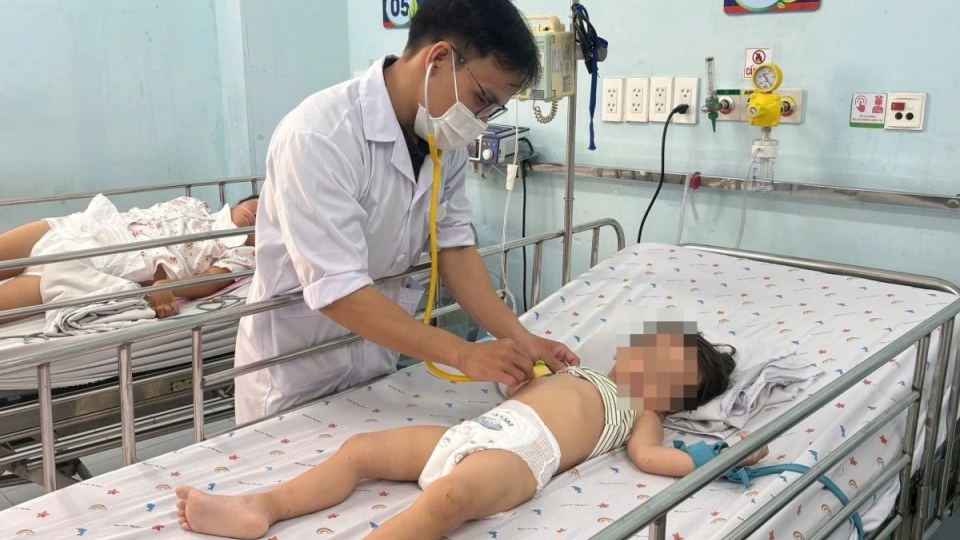
HFMD cases surge in Vietnam, Health Ministry calls for prompt action
VOV.VN - The Ministry of Health (MoH) has issued an urgent directive to strengthen patient triage, treatment capacity and infection control across the healthcare system, as cases of hand, foot and mouth disease (HFMD) are rising rapidly, particularly in the southern region.

