Gov’t targets equal development opportunities for ethnic minority areas

VOV.VN - Vietnam is accelerating efforts to reduce the development gap between ethnic minority and mountainous regions and the country’s more developed urban and lowland areas, as the government pushes forward a long-term strategy focused on infrastructure, education and sustainable economic growth.
Under Directive No. 19/CT-TTg issued on May 12, 2026, the Prime Minister instructed ministries, agencies and localities to intensify the implementation of Vietnam’s ethnic affairs strategy for the 2021–2030 period, with a long-term vision extending to 2045.
According to the Prime Minister, recent years have seen significant progress in socio-economic conditions across ethnic minority areas thanks to a range of national programmes and support policies.
The poverty rate in ethnic minority and mountainous regions has declined faster than the national average, while transportation networks, public infrastructure and social services have gradually improved, thereby strengthening public trust in state leadership.
However, the Directive says major development disparities still remain between mountainous regions and more economically advanced parts of the country.
Many ethnic minority communities continue to face inadequate infrastructure, unstable electricity supply, shortages of clean water and limited access to public services. Education quality and workforce training also remain below national standards in many localities, while access to residential land, agricultural land and sustainable livelihoods continues to present challenges for residents.
The capabilities of some local officials and ethnic minority cadres have yet to fully meet the demands of modern development policies.
One of the Directive’s most notable priorities is expanding electricity infrastructure in remote and mountainous regions.
The Ministry of Industry and Trade has been tasked with coordinating with local governments and relevant agencies to accelerate investment in electricity systems, with the objective of ensuring all households in ethnic minority areas can access electricity by 2030.
Electricity access is no longer viewed simply as a basic utility but as a critical foundation for long-term economic transformation in rural communities. Reliable electricity can support digital education, e-commerce, community tourism and new economic models that create more sustainable income opportunities for residents.
Improved electricity infrastructure could help narrow the digital divide between remote areas and major cities as Vietnam continues expanding its digital economy strategy.

Alongside infrastructure investment, the government is placing increasing emphasis on human resource development and sustainable livelihoods for ethnic minority populations.
The Ministry of Education and Training has been assigned responsibility for implementing a high-quality workforce training project targeting ethnic minority communities in key sectors during the 2026–2035 period.
Meanwhile, the Ministry of Agriculture and Environment will focus on promoting economic development models linked to forest protection and environmental sustainability, alongside helping improve incomes for households in poor communes and disadvantaged villages.
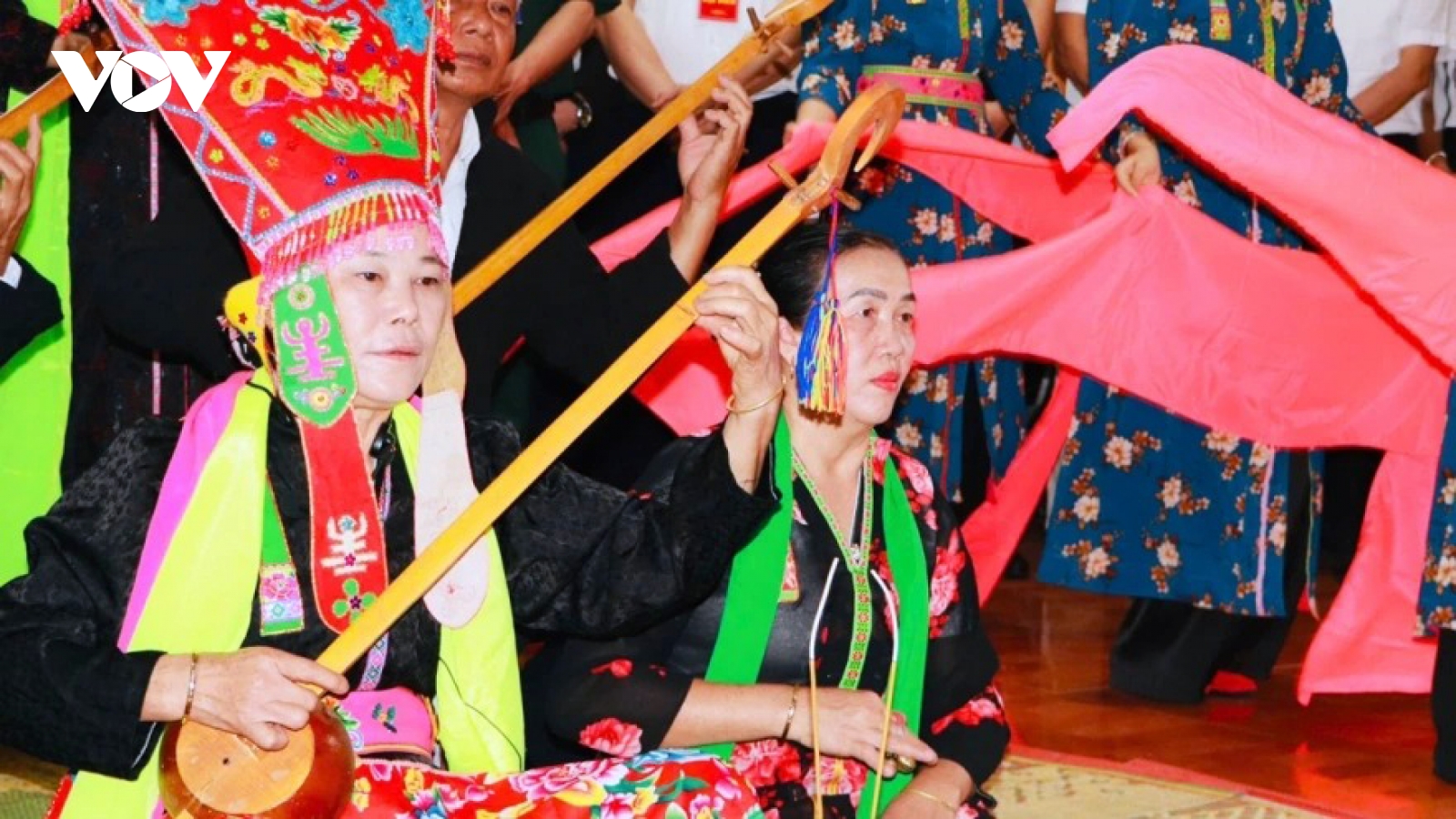
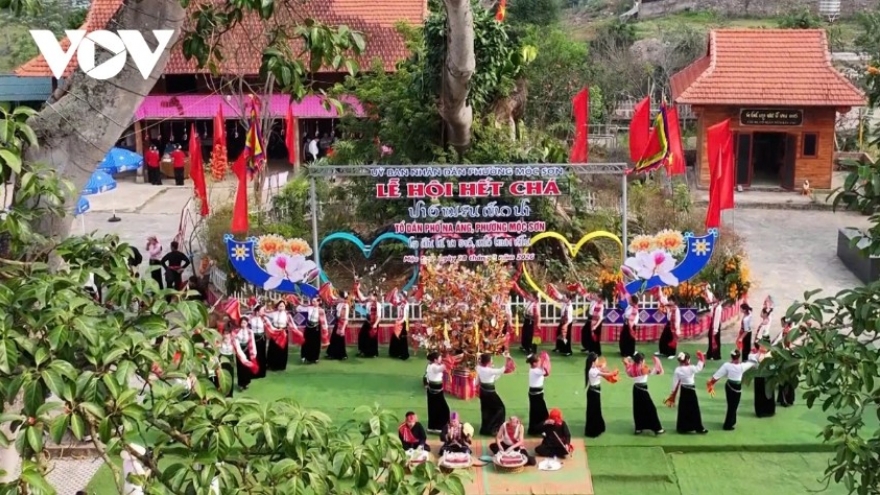
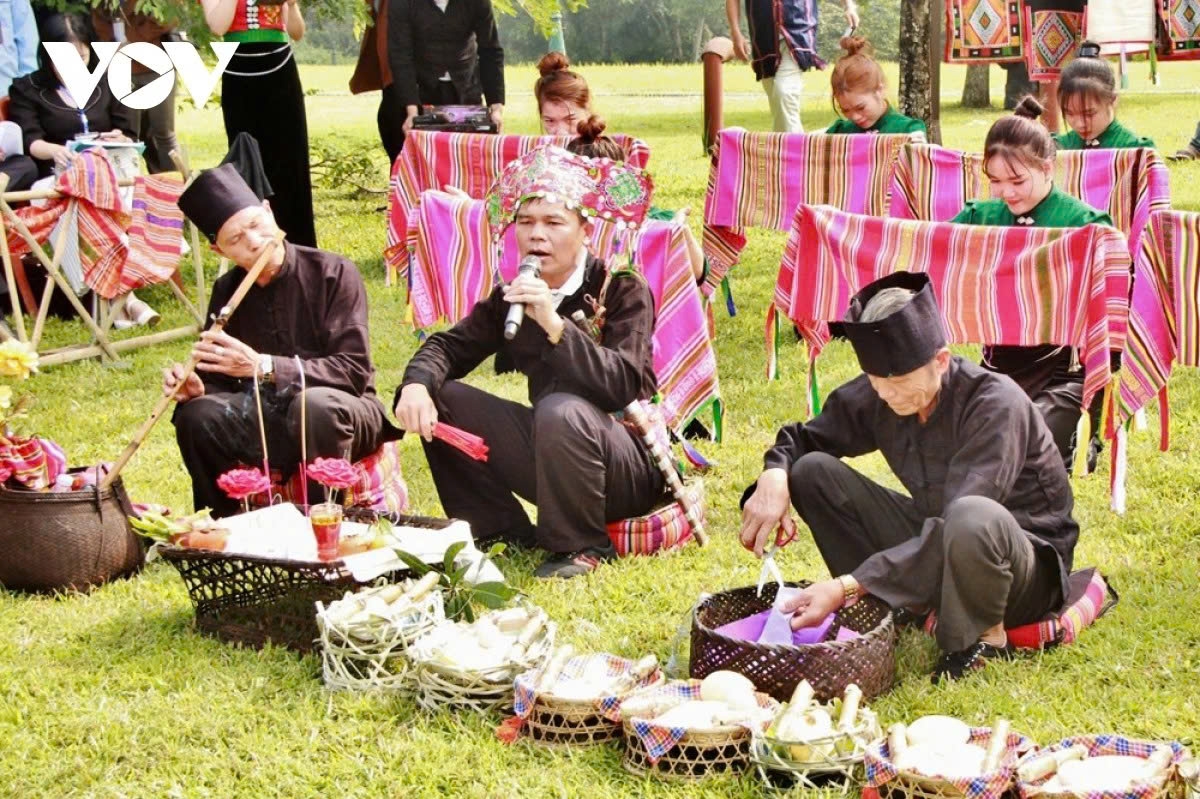
In the cultural sector, the Ministry of Culture, Sports and Tourism has been rquired to promote policies aimed at preserving traditional cultural spaces and supporting community-based tourism and cultural tourism projects that allow local ethnic minority communities to directly participate in and benefit from tourism-related economic activities.
The Directive reflects a broader shift in Vietnam’s policy approach from short-term social support toward longer-term, more inclusive development planning. Rather than focusing solely on poverty reduction, the government is increasingly emphasising sustainable growth, regional integration and equal access to infrastructure and economic opportunities.
The strategy is expected to help ethnic minority and mountainous regions integrate more deeply into Vietnam’s broader economic development process while reducing long-standing regional disparities and strengthening long-term social stability.

Soóng Cọ Festival 2026 - A living cultural heritage of the San Chi in Binh Lieu
VOV.VN - The Soóng Cọ Festival, featuring traditional antiphonal love singing of the San Chi ethnic community in Binh Lieu commune, Quang Ninh province, is staged in an immersive mountain landscape setting, bringing this distinctive folk heritage closer to modern audiences.